The Traitorous Eight : The $1 Betrayal That Invented Intel, AMD, and Silicon Valley
If you are reading this article on a smartphone, a laptop, or any connected device, you owe absolutely everything to these eight young men. Before artificial intelligence, before the internet giants, there was a major turning point. A rebellion against a tyrannical manager literally gave birth to Silicon Valley, the semiconductor industry (an ultra-lucrative niche today), and tech empires like Intel and AMD.
Here is how the worst management in history sparked the greatest technological revolution of humanity.
Toxic Genius and the California Dream
Our story begins in the mid-1950s. At the time, cutting-edge technology was happening on the East Coast of the United States. But one man was about to change everything : William Shockley.
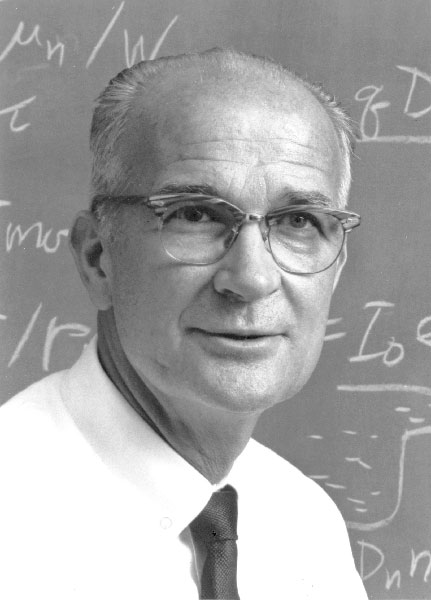
Shockley was not just anyone. He was one of the founding fathers of the transistor, an electronic component that would earn him the Nobel Prize in Physics in 1956. Armed with his genius, he convinced a financier, Arnold Beckman, to invest one million dollars (a fortune back then) to launch the Shockley Semiconductor Laboratory in Mountain View, California. His goal was to start mass-producing brand-new electronic components built on silicon.
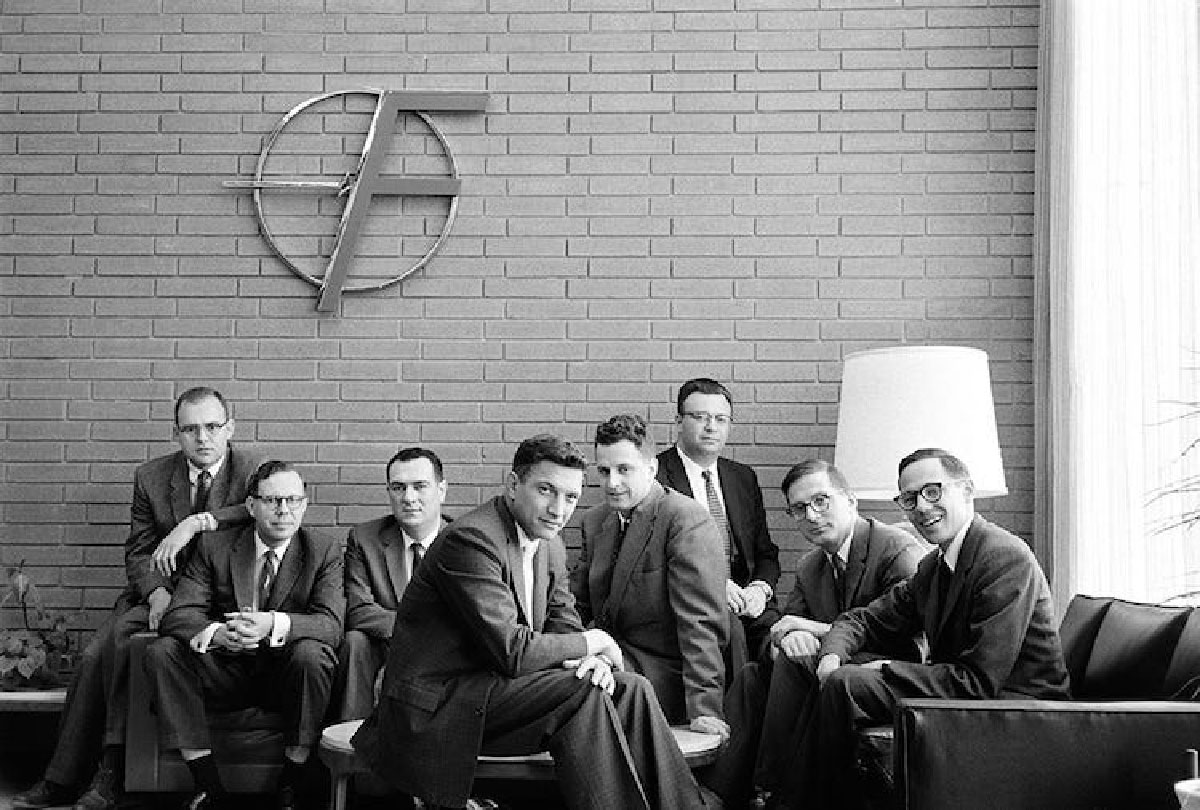
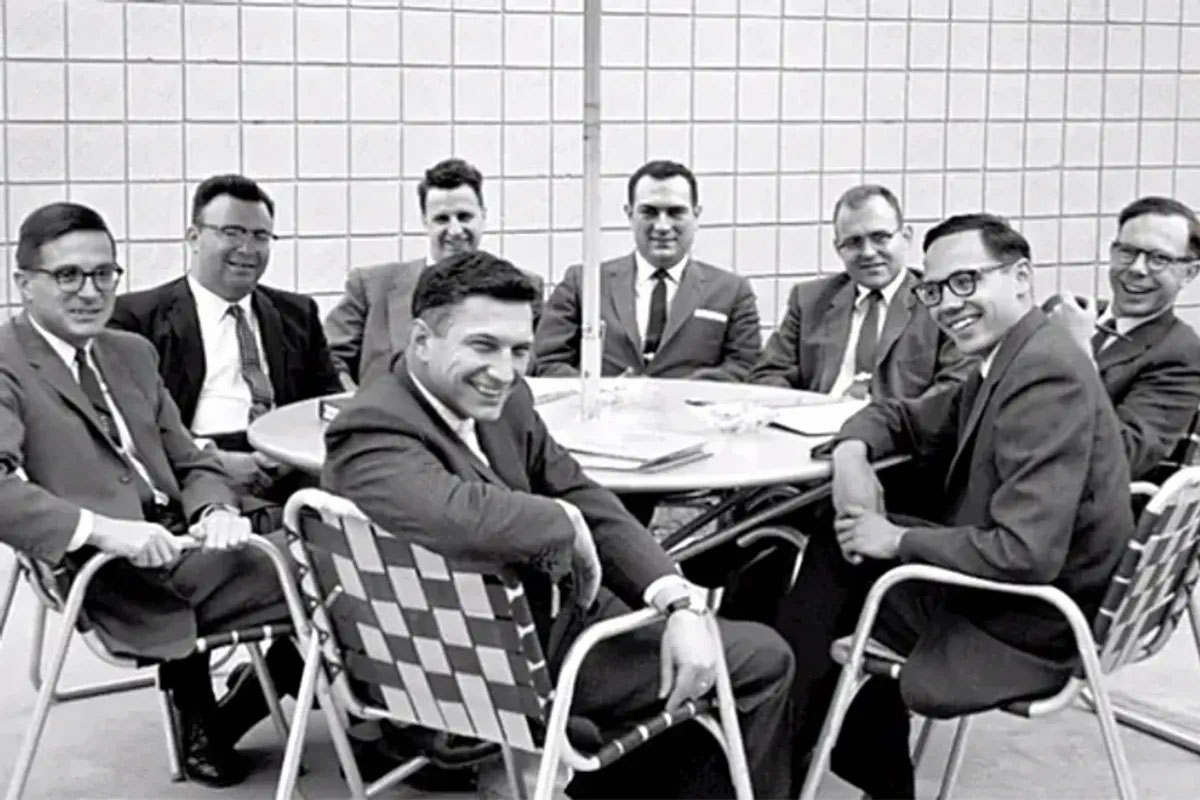
To pull this off, Shockley recruited the absolute cream of the crop. He put brilliant young PhDs and engineers through ruthless psychological testing and exhausting interviews. Among them, eight names you need to remember : Julius Blank, Victor Grinich, Jean Hoerni, Eugene Kleiner, Jay Last, Gordon Moore, Robert Noyce, and Sheldon Roberts. Most of them were in their thirties. On paper, it was the tech "Dream Team". But behind the scenes, the atmosphere quickly turned into an absolute nightmare.
Paranoia and Lie Detectors
While Shockley was a certified scientific genius, he was also a deeply toxic, authoritarian manager. Think of the worst boss imaginable, then multiply that by ten.
As the team settled in, Shockley became completely consumed by paranoia. He banned his researchers from sharing their results with one another. He secretly recorded phone calls. He even went as far as demanding that his entire team take a lie detector test (which they all flatly refused). To make matters worse, he made disastrous strategic moves, abandoning highly promising research on bipolar transistors to focus on diodes that would turn out to be an absolute commercial failure.
💾 For months, the tension kept building. Young Robert Noyce, a brilliant and charismatic physicist out of MIT, tried to step in as a mediator. But the situation was just unlivable. In the spring of 1957, they hit the breaking point. Led by Gordon Moore, the young scientists issued an ultimatum to financier Arnold Beckman : "It is Shockley or us. Replace him with a real manager." Beckman refused, completely convinced that the brilliant Nobel laureate would eventually steady the ship. It went down as the worst financial decision of his entire life.
The 1-Dollar Betrayal
Sensing that the ship was sinking fast, Eugene Kleiner secretly reached out to his parents in New York to connect with new investors. The project caught the eye of a visionary investment banker : Arthur Rock (who would go on to become one of the first true pioneers of Venture Capital).
The scene, straight out of a Hollywood movie, took place at the Clift Hotel in San Francisco. The eight rebels, joined at the very last minute by Robert Noyce, met with the bankers. To seal their pact, they did not have any massive contracts ready to sign. The banker simply pulled out ten crisp, new 1-dollar bills and laid them on the table. Everyone signed every single bill. This pact, etched onto simple greenbacks, marked the point of no return.
Thanks to these bankers, they found a backer : industrialist Sherman Fairchild, who hooked them up with a $1.38 million loan. On September 18, 1957, the eight resigned in a single block from Shockley Labs. Absolutely consumed by rage, William Shockley never understood why they walked away. He publicly insulted them, branding them the "Traitorous Eight". The nickname stuck for the rest of history.
💬 "Traitorous Eight" : the insult of a manager with a bruised ego, which became a badge of honor for the men who actually invented the modern digital world.

Revenge and the Invention of the Century
Finally free from their old boss, our eight "traitors" founded Fairchild Semiconductor. The vibe there was radically different : no mandatory suits and ties, a completely horizontal hierarchy, a supportive management style embodied by Robert Noyce (who would later be dubbed "The Mayor of Silicon Valley"), and most importantly, company equity for the employees (the famous stock options, the very baseline of today’s startup culture).
Very quickly, their genius exploded onto the global stage. First, Swiss physicist Jean Hoerni invented an absolute revolution in 1959 : the planar process. This manufacturing technique made it possible to create transistors completely flat on a slice of silicon.
Right after that, using this exact process, Robert Noyce had an absolute epiphany. Instead of connecting individual components with microscopic wires (which was incredibly fragile and expensive), why not just etch everything directly onto a single block of silicon ? The monolithic integrated circuit (the modern microchip) was born. It was an invention made almost simultaneously by Jack Kilby at Texas Instruments, but it was Noyce and Fairchild's method that would go on to conquer the entire world.
Within just a few years, Fairchild Semiconductor completely crushed the competition. Their chips revolutionized military electronics, followed closely by commercial computing. Revenues went completely through the roof.
Instead of connecting the components with microscopic wires, why not just engrave everything directly onto a single block of silicon ? Robert Noyce, co-founder of Intel, during the invention of the monolithic integrated circuit
The Legacy of the "Fairchildren"
But the story does not stop there. Fairchild grew so massively that corporate bureaucracy from the parent company started suffocating innovation. Our rebels had independence woven directly into their DNA.
Starting in the mid-1960s, the Traitorous Eight began leaving Fairchild one by one to launch their own corporate ventures. These dozens of spin-off startups would come to be known as the "Fairchildren".
🕹️ Here is the colossal impact of that original betrayal :
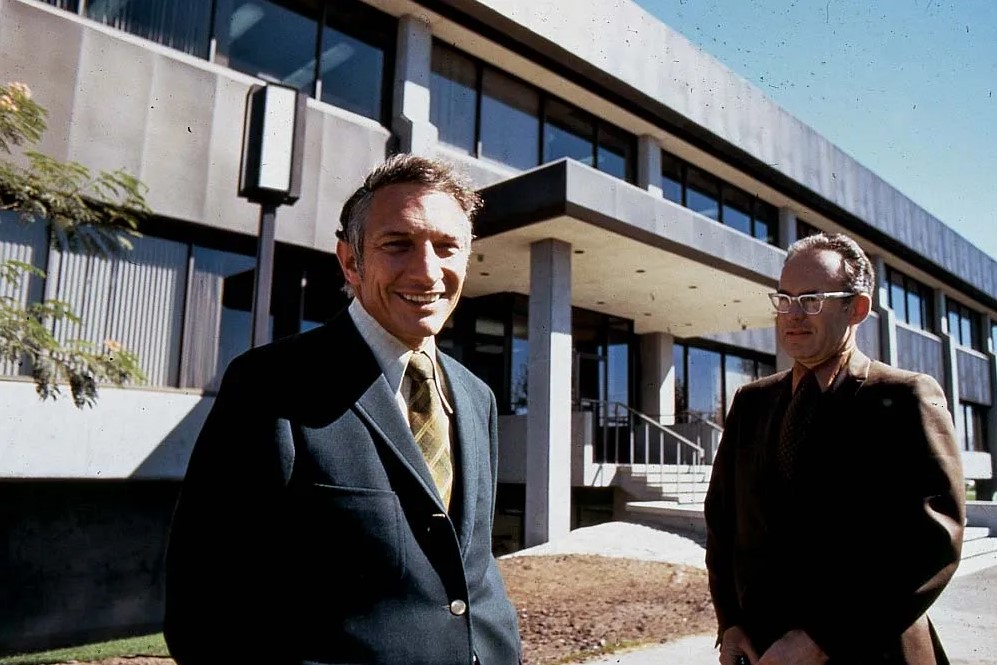
- In 1968, Gordon Moore and Robert Noyce resigned yet again. They launched a small startup specializing in memory and microchips. They named it Intel. It was right there that they would go on to invent the microprocessor, catapulting Intel to the rank of global number one in semiconductors.
- In 1969, other former Fairchild veterans founded AMD (Advanced Micro Devices), Intel's eternal, fiercest rival.
- Jean Hoerni went on to help found Intersil, creating the low-power chip market that would explode the quartz watch industry (like Seiko).
- Eugene Kleiner teamed up to create Kleiner Perkins, one of the most powerful Venture Capital funds on earth, which later funded giants like Amazon, Google, Sun Microsystems, and Netscape.
The Moral of a Founding Betrayal
Without William Shockley's pure tyranny, these eight geniuses would have probably remained basic employees in a dusty East Coast lab.
Their "betrayal" was a pure act of emancipation. By daring to walk away, the Traitorous Eight did not just create brand-new hardware components : they invented startup culture. They laid the absolute foundations of venture capital, flat hierarchies, and non-stop innovation. They gave its soul (and its name, thanks to silicon) to Silicon Valley.
So, the next time you boot up your PC or take a look at the insane stock valuations of the tech and AI industries, have a quick thought for those eight young engineers who, on a beautiful day back in 1957, signed 1-dollar bills to completely change the face of the world.
Did you know this story before reading ? Is there one specific name out of the eight that completely took you by surprise ? Let us know in the comments right below !
💡 Join the community !
Want to talk about tech, history, or gaming, find some friends, and share your favorite pop culture discoveries ? Join us over on the Discord Little Big Campus 👾