1997, the year a mecha redefined real-time strategy
Today, we continue our massive feature on the golden age of PC strategy (1995-2000), and this time, we tackle a unique piece of history. I spent entirely sleepless nights harvesting ore and building pixelated empires back then, and yet, I have a little sacrilege to confess : I completely missed Total Annihilation when it was released. I was elsewhere, captivated by other virtual galaxies. A mistake that took me years to fix.
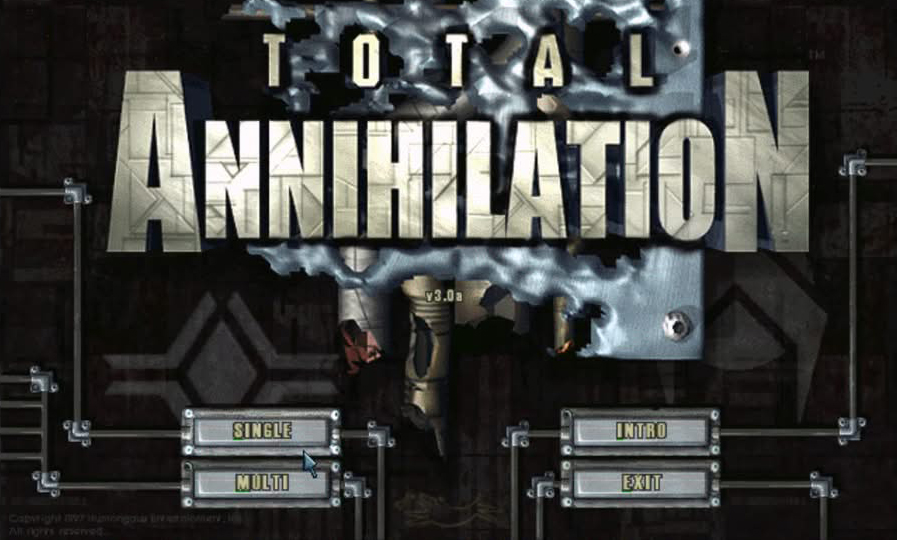
Because when digging into its history, its mechanics, and the aura it still exudes today, the conclusion is absolute : for any passionate RTS (real-time strategy) historian, ignoring the work of Cavedog Entertainment is simply unthinkable. This title, driven by the brilliant Chris Taylor, had a resounding impact on the entire industry, and its legacy is still felt in the strategy games of 2026.
So bring out your metal extractors, we are heading to 1997 to understand how this game literally rewrote the rules of virtual warfare.
A technological powerhouse : 3D and physics serving warfare
A living terrain, physics that truly matter
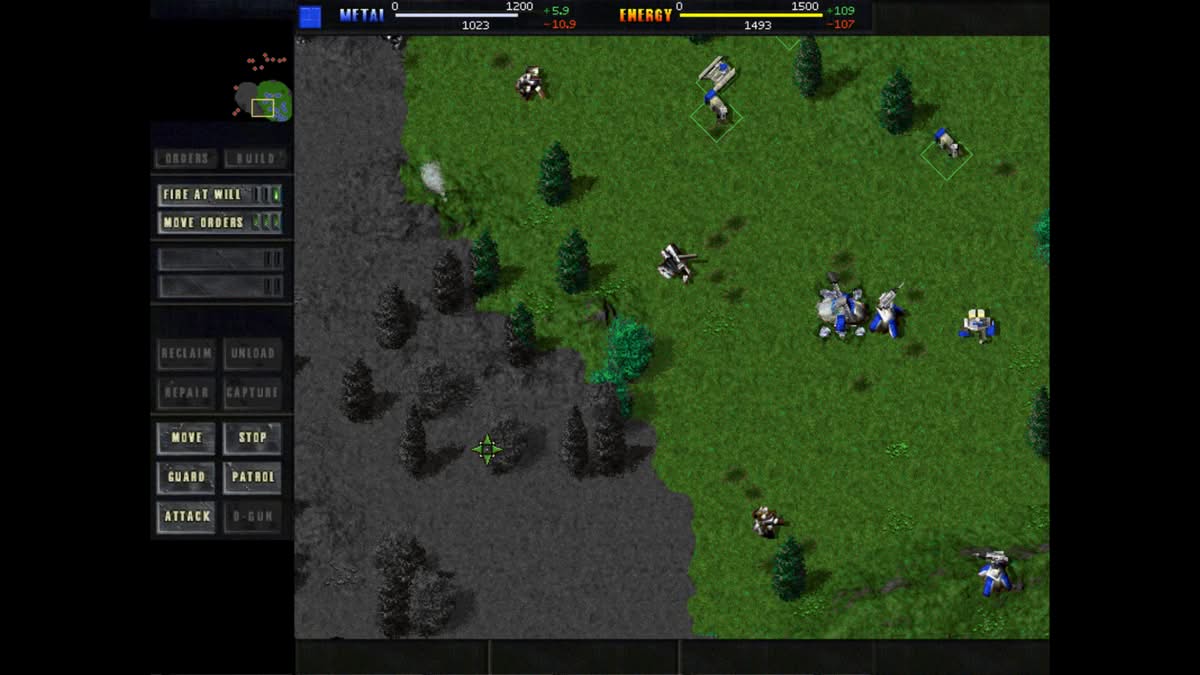
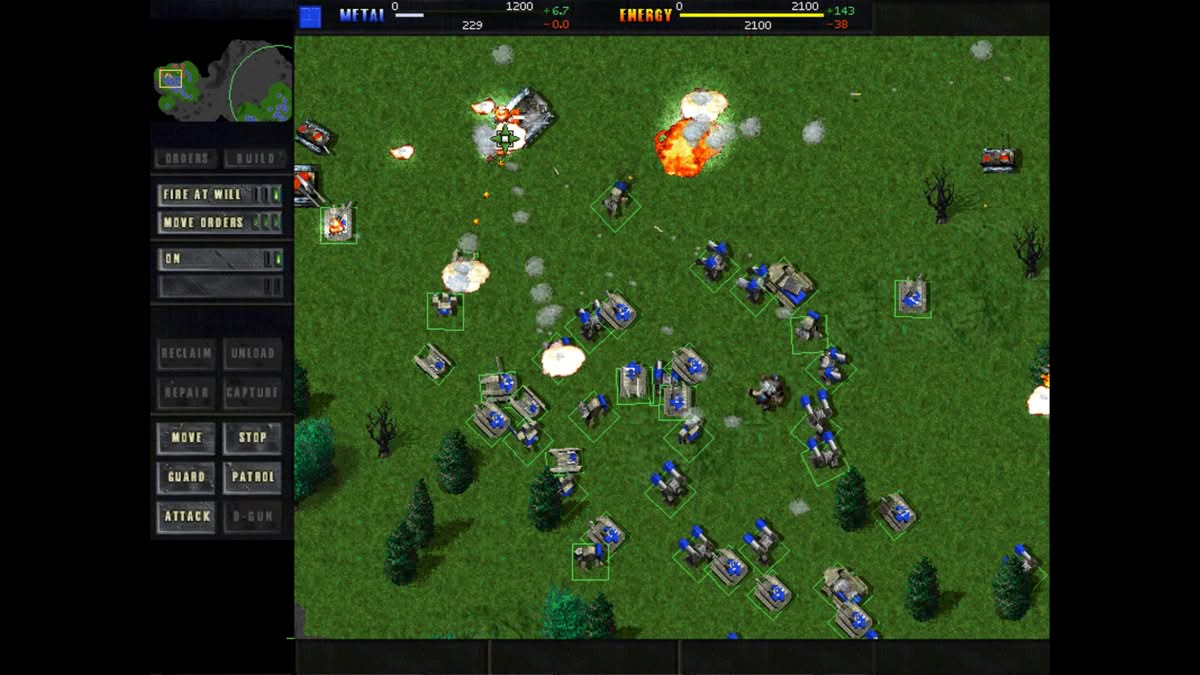
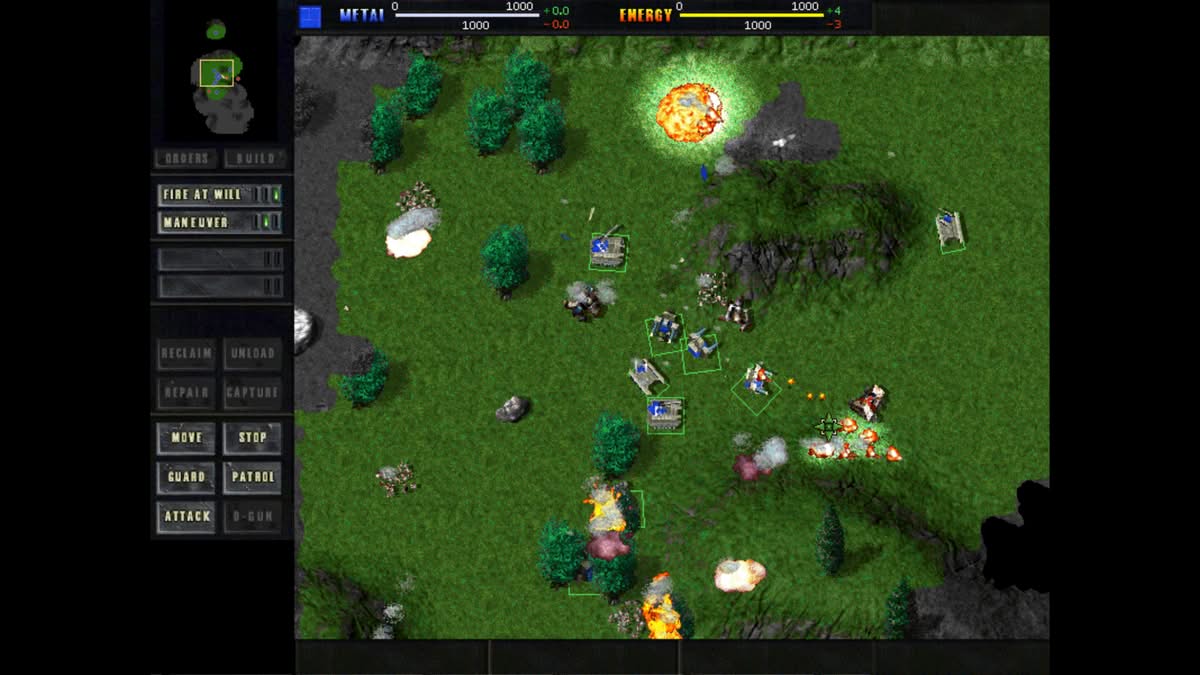
With the entire competition still heavily relying on isometric 2D sprites, Total Annihilation struck a massive blow by integrating 3D-modeled units and, most importantly, a terrain featuring genuine elevation changes. A staggering technological leap for the time, changing absolutely everything on the battlefield.
Projectile physics became a central gameplay component. If you placed your artillery units behind a hill, the shells had to follow a realistic ballistic curve to reach their target : a poorly calculated shot would end its trajectory into the side of the mountain. The wreckage of destroyed tanks stayed on the field, blocking paths or serving as improvised cover, before they could be recycled.
💾 Managing hundreds of units simultaneously across land, sea, and air, on a 1997 PC... Just thinking about it, you can still feel the processor heating up and the noise of the fan threatening to take off.
The Commander and the streaming economy revolution
A starting unit worth its weight in gold
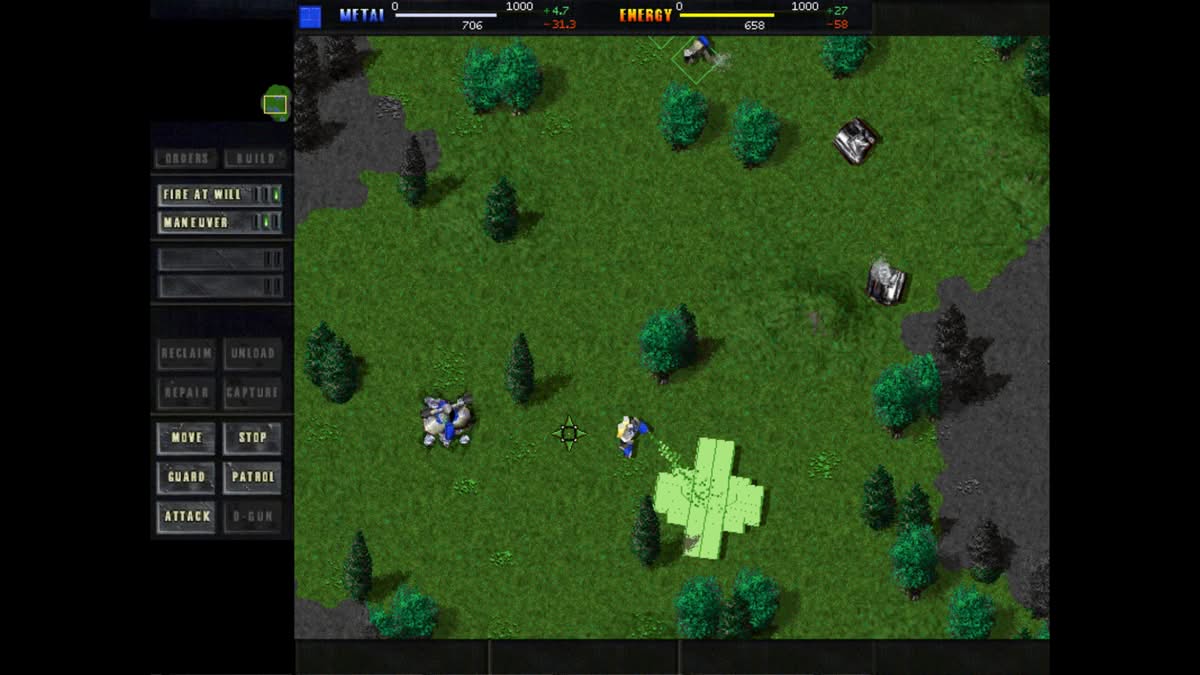
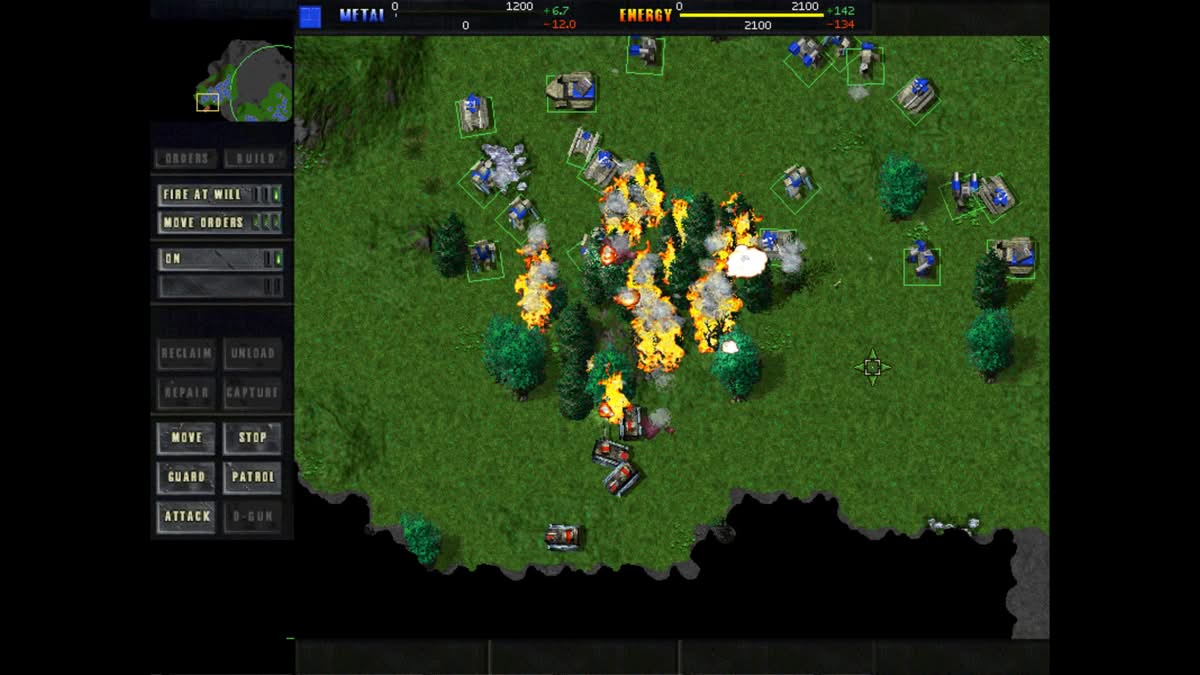
Right from the start of the match, Total Annihilation entrusts you with a unique and overwhelmingly powerful unit : the Commander. This colossal mecha is the keystone of your entire army. It builds the first structures, harvests resources, and possesses a devastating weapon, the infamous D-Gun, capable of disintegrating any enemy in an instant. Its destruction often signals the end of the game, in a nuclear explosion as beautiful as it is dreaded.
The streaming economy, the true stroke of genius
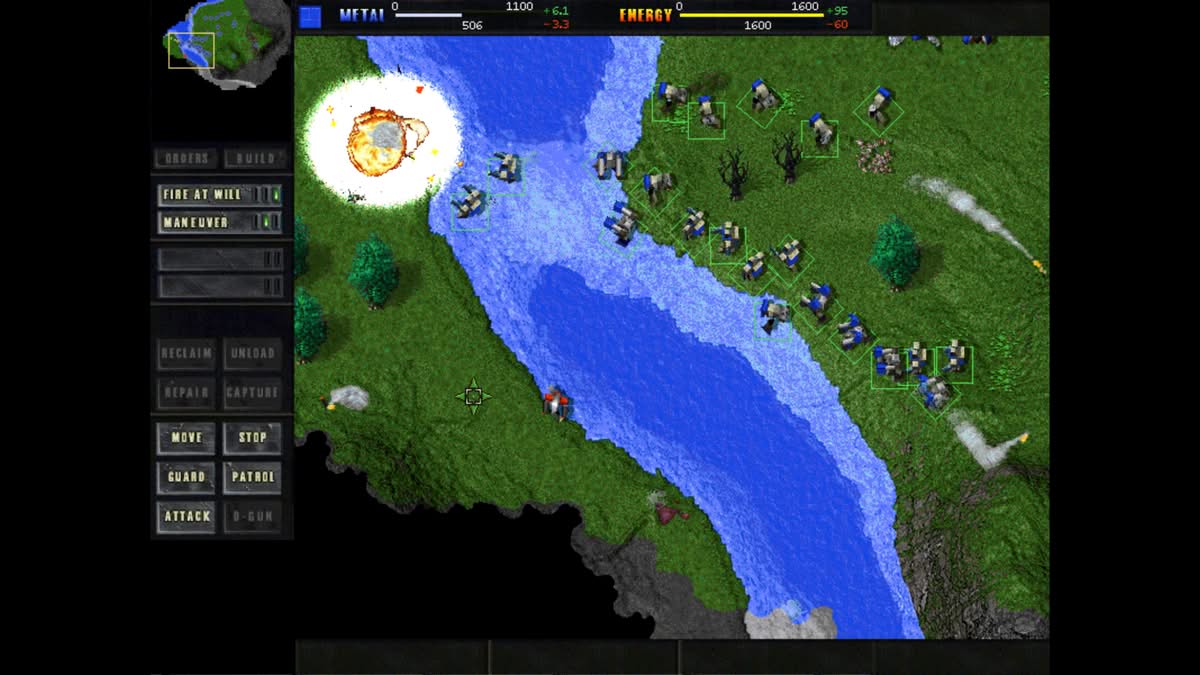
The other major breakthrough by Chris Taylor is the management of resources, Metal and Energy. The game introduces a streaming economy, bringing a fresh approach to the classic system of hoarding a stockpile before spending. You must constantly balance production and consumption per second, in real-time.
In practice, you could start building a gigantic space cruiser even with zero reserves, provided your extractors generated enough energy and metal to sustain the pace of your builders. A mechanic creating fierce dynamism, requiring precise and continuous economic management, far beyond the genre's standards at the time.
Core vs Arm : an asymmetrical and epic clash
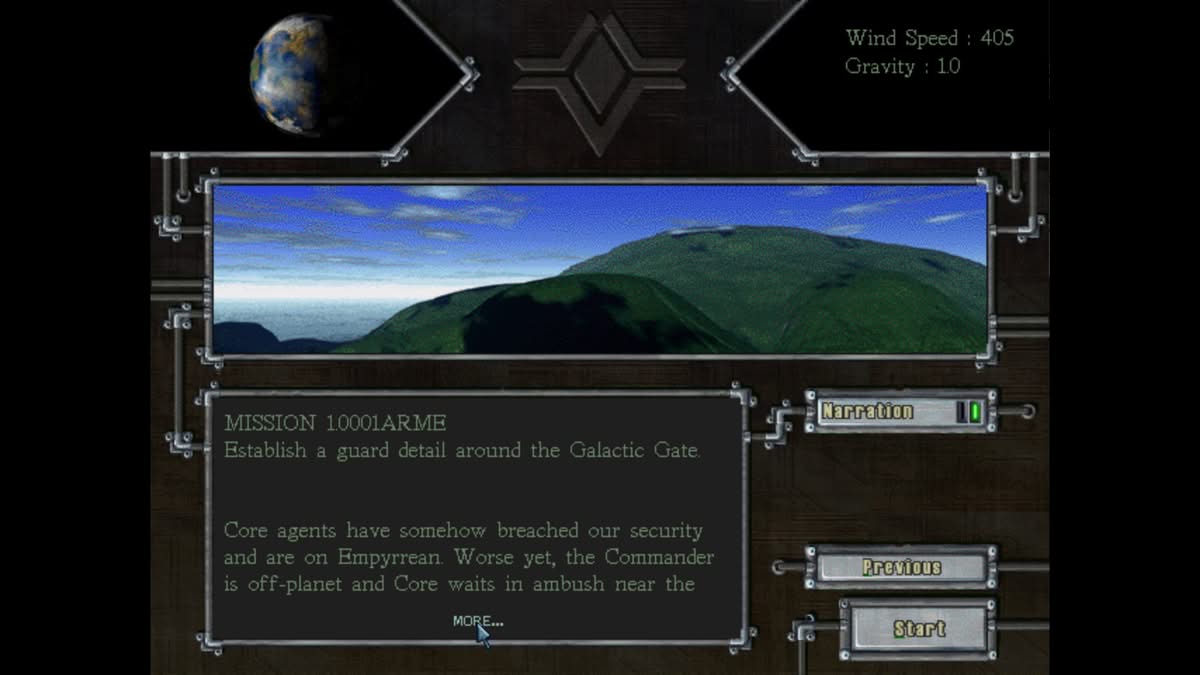
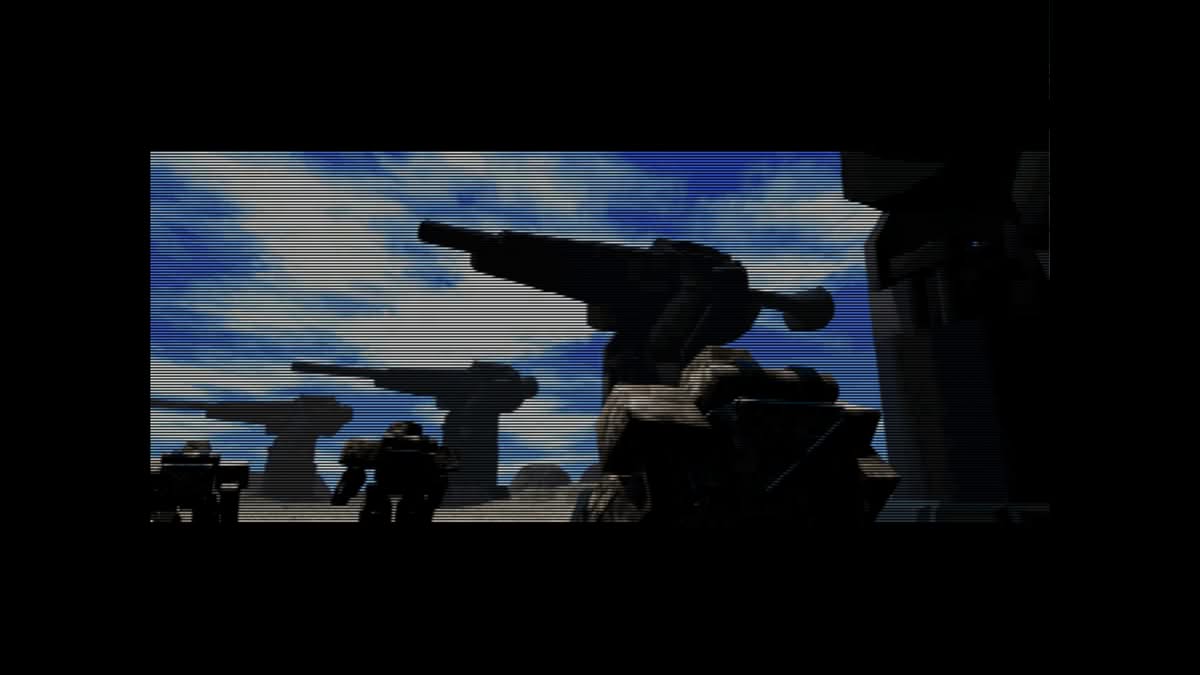
The storyline drops us into a galactic conflict opposing two factions with irreconcilable ideologies. On one side, the Core, an entity seeking to transfer human consciousness into immortal machines via a process called "Patterning". On the other, the Arm, a rebel faction fighting to preserve biological bodies and free will.
This lore, remarkably dense for its era, is elevated by a masterful orchestral soundtrack composed by Jeremy Soule, who would later write music for The Elder Scrolls and Guild Wars. His symphonic surges, adapting dynamically to the on-screen action, provide a cinematic scope and rare emotional resonance to every single battle.
💬 A soundtrack transforming every mecha confrontation into a true cinematic moment, long before it became the standard in video games.
What happened to the Total Annihilation franchise today ?
Cavedog Entertainment's story was unfortunately short-lived, with the studio closing its doors shortly after. Atari, then Wargaming, acquired the rights to the franchise over the years, and the game's true legacy mostly lived on spiritually.
Chris Taylor took up the torch in 2007 with the fantastic Supreme Commander, pushing the concept of macroscopic scale and streaming economy even further. In 2014, Planetary Annihilation attempted to transpose these titanic battles to the scale of entire solar systems.
Today, the soul of Total Annihilation shines brighter than ever thanks to the community and the open-source world. Massive projects like Beyond All Reason (BAR), developed by passionate fans on the Spring Engine, adopt the exact mechanics of the 1997 game while modernizing them with current graphics, an overhauled interface, and monumental multiplayer clashes. It is clearly the perfect way to discover, or rediscover, this legend in 2026.
The legacy of an RTS monument
Total Annihilation fully deserves its place in the real-time strategy hall of fame. It paved the way for a brand-new approach to large-scale strategy, and its influence is still palpable in games released nearly 30 years later. To continue this time travel, head over to our retrospective on StarCraft (1998) or our article on Age of Empires (1997) to rediscover the historical foundations of the genre. And to find our complete cult feature on PC strategy 1995-2000, head to the full hub.
And you, what memories do you keep from your clashes between the Core and the Arm ? Tell us all about it in the comments, right down below !
💡 Join the community !
Want to chat about games, find friends to play with, or share your pop culture favorites ? Join us on the Little Big Campus Discord 👾