One Christmas, One Floppy Disk, Four Turtles
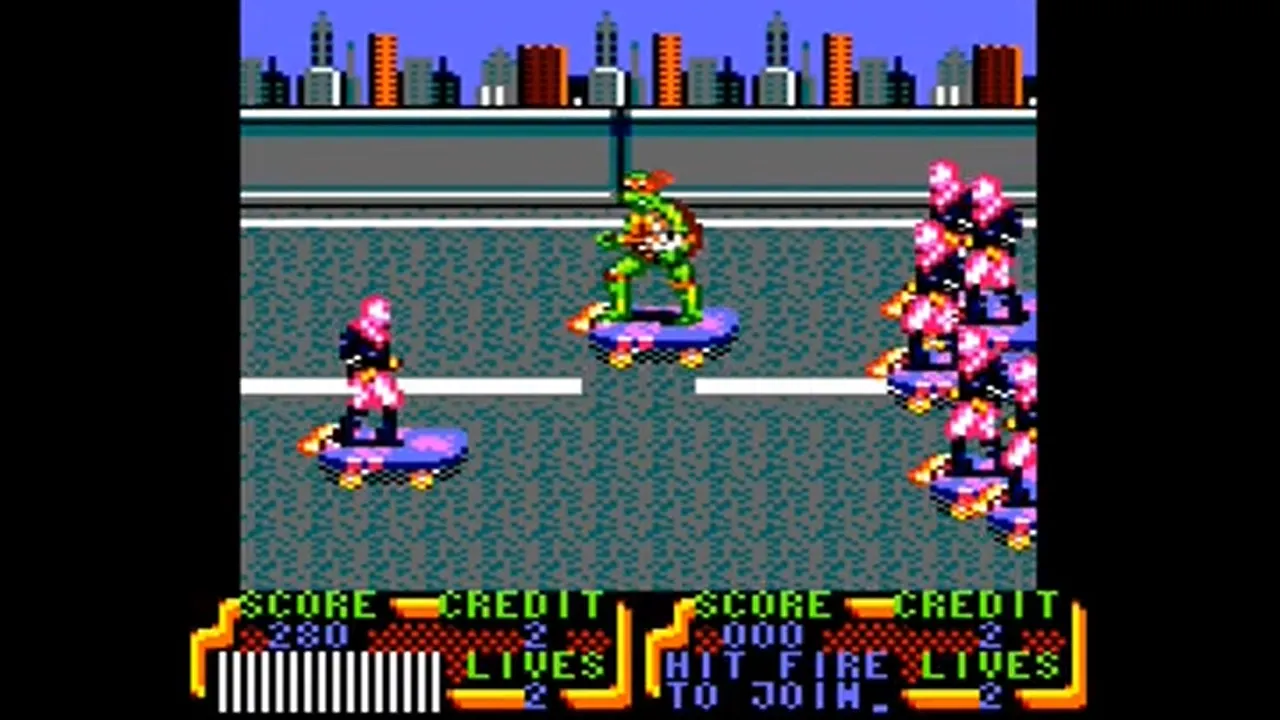
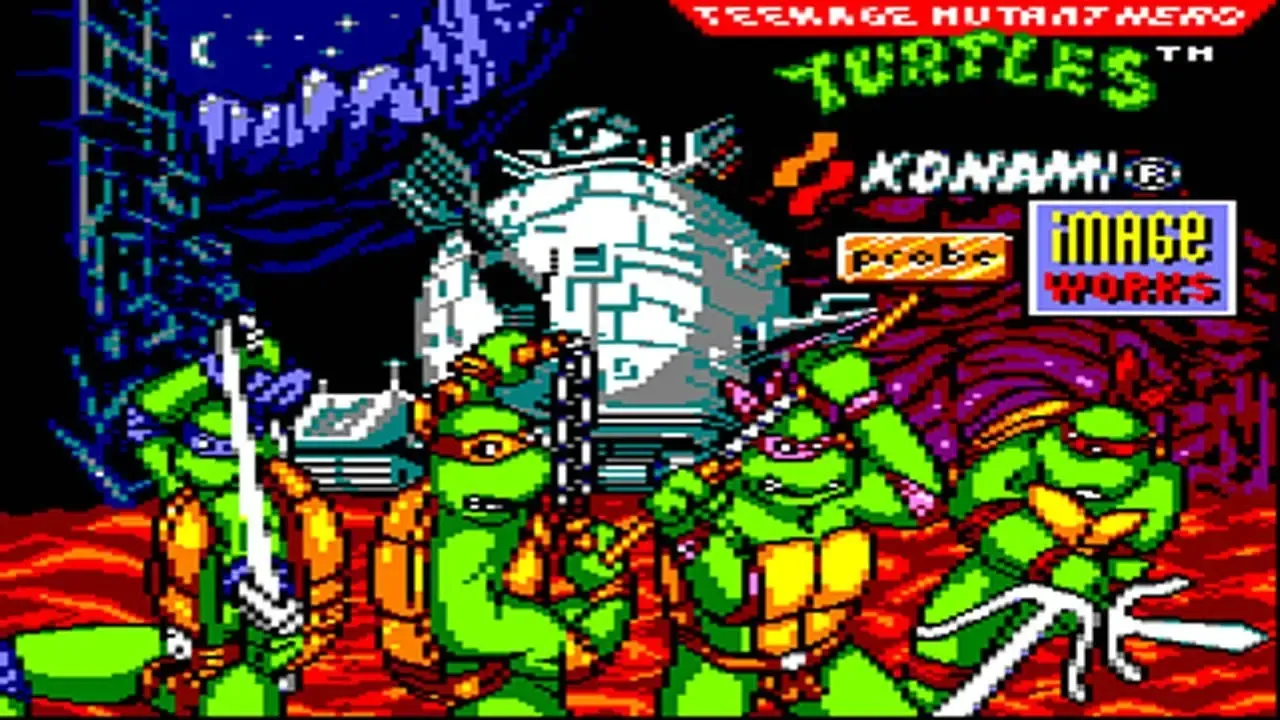
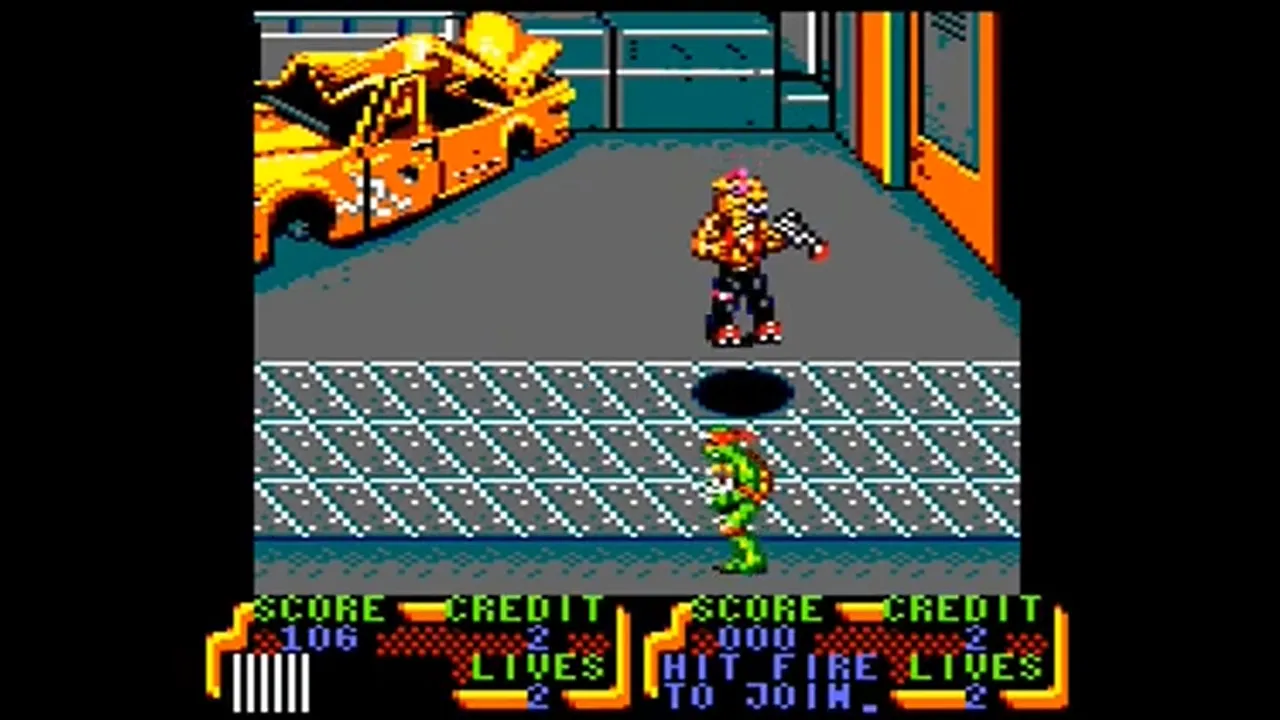
It was one of those magical Christmases from the 90s. You remember, those mornings when the tree lights were still blinking, when AA batteries became as precious as gold, and when wrapping paper flew everywhere just like in Home Alone. For me, that morning, I unwrapped a brand new Amstrad 6128 Plus, featuring a built-in floppy drive. The hum of the 3-inch drive was my personal version of Jingle Bells. And among the first games loaded : Teenage Mutant Hero Turtles : The Coin-op (the multiplayer version !).
Chunky pixels, minimalist animation, a shrill soundtrack… and yet : I was in New York, down in the sewers, with Leonardo, Donatello, Michelangelo, and Raphael. Back then, we transitioned seamlessly from movies like D.A.R.Y.L or Wargames to games that shared that same low-tech future vibe, where imagination did all the heavy lifting.
What is Retrogaming, Exactly ?
Retrogaming is not just a hobby for dusty collectors or older geeks chasing their childhood. It is the rediscovery, even the celebration, of an era when video games were raw, direct, and straightforward. An era where the development budget, however small, still far exceeded the marketing budget.
But the definition is evolving : is a game from 2008 considered retro ? Is the PS2 "old" ? If you ask a 16-year-old, the answer is yes. For many, anything over 15 years old, or running in 4 :3 aspect ratio, enters the retro zone. Even stylized pixel-art games from the 2010s (Hotline Miami, Celeste) feel like they come from an alternate past.
And it is no longer just for nostalgic thirty-somethings. Gen Z is discovering the games of yesteryear with wide-eyed wonder, through YouTube, Twitch, mini consoles, or emulation. Old-school mechanics are fascinating : "You mean you didn't have checkpoints ?!" "Wait, you had to type 'CAT' then 'RUN DISK' on an Amstrad ?" Oh yes, young Padawan. And we haven't even told you about the process of launching games from Amstrad 464 tapes, which looked exactly like our music cassettes.
Gameplay in its Purest Form
What makes retrogaming irresistible is the purity of its mechanics. We are talking about a time when difficulty was a game design choice, not a slider in a menu. No maps. No tutorials. You figured it out by playing (or you understood nothing at all, that happened too…), or you failed. That was the deal.
You would launch Rick Dangerous, Ghosts'n Goblins, or Prince of Persia, and the game didn't hold your hand : it laughed while pushing you into a ravine full of nettles.
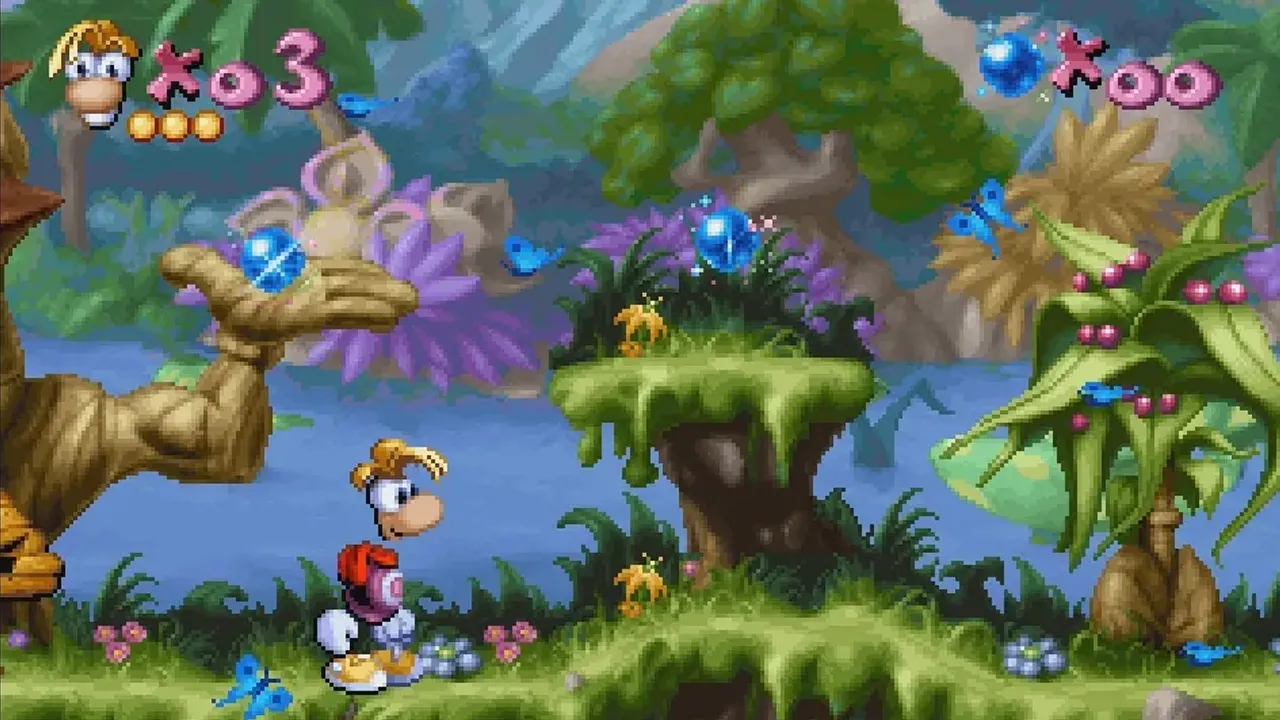
And yet… we kept coming back. Again and again. Because every pixel had weight. Every jump was precise. Every life counted. And then there was that unique aesthetic : vibrant pixel art, chiptune music we still hum today (Tetris, Sonic, Zelda...), and cardboard boxes packed with manuals, drawings, and lore to imagine. A different time altogether.
Preservation : A Silent Urgency
But that time is disappearing. Slowly, surely. Cartridges have oxidized. CDs have cracked (Win 98, WinXP, those that were passed from hand to hand among friends… we're thinking of you). Servers are shutting down. Licenses are falling into oblivion. Hundreds of games are on the edge of a digital void, much like in The Neverending Story.
Preserving video games means preserving a part of our modern culture, just as we do with cinema or literature. Yet, we talk about it far too little.
Fortunately, some are fighting back : the BnF, the MO5.com association, The Video Game History Foundation, and an army of enthusiasts, often working in the shadows, dumping ROMs, scanning manuals, restoring BIOS, archiving websites, and translating forgotten games. And yes, sometimes the line between archiving and piracy is blurred. But when a game no longer exists anywhere, when no one sells it, and the publisher has vanished… who saves it ? Collectors ? P2P servers ? The answer is sometimes grayer than we would like to admit.
When Retro Invades Pop Culture
Today, retro is everywhere. It has merged into pop culture. Indie games like Shovel Knight, The Messenger, and Undertale pay tribute to these 8/16-bit roots while modernizing their gameplay. Mini consoles are everywhere : NES Classic, Mega Drive Mini, SNES Mini, often with top-tier selections. Remakes are flooding the market : Final Fantasy VII Remake, Wonder Boy : The Dragon's Trap, Streets of Rage 4… And everything around it follows : series like Stranger Things, movies like Ready Player One, neo-90s fashion, and even VHS tapes coming back into style… Nostalgia is becoming an aesthetic, a marketing tool, but also a form of refuge.
To Preserve is to Play the Future
Preserving old games is not just a niche hobby. It is about keeping pieces of our collective memory alive. A video game is a mirror of the world at the time it was designed. Its technology, its interface, and its themes tell the stories of the hopes, limits, and dreams of an era. Our grandfathers collected vintage photos and stamps ; we collect cartridges, floppy disks, and digital ROMs.
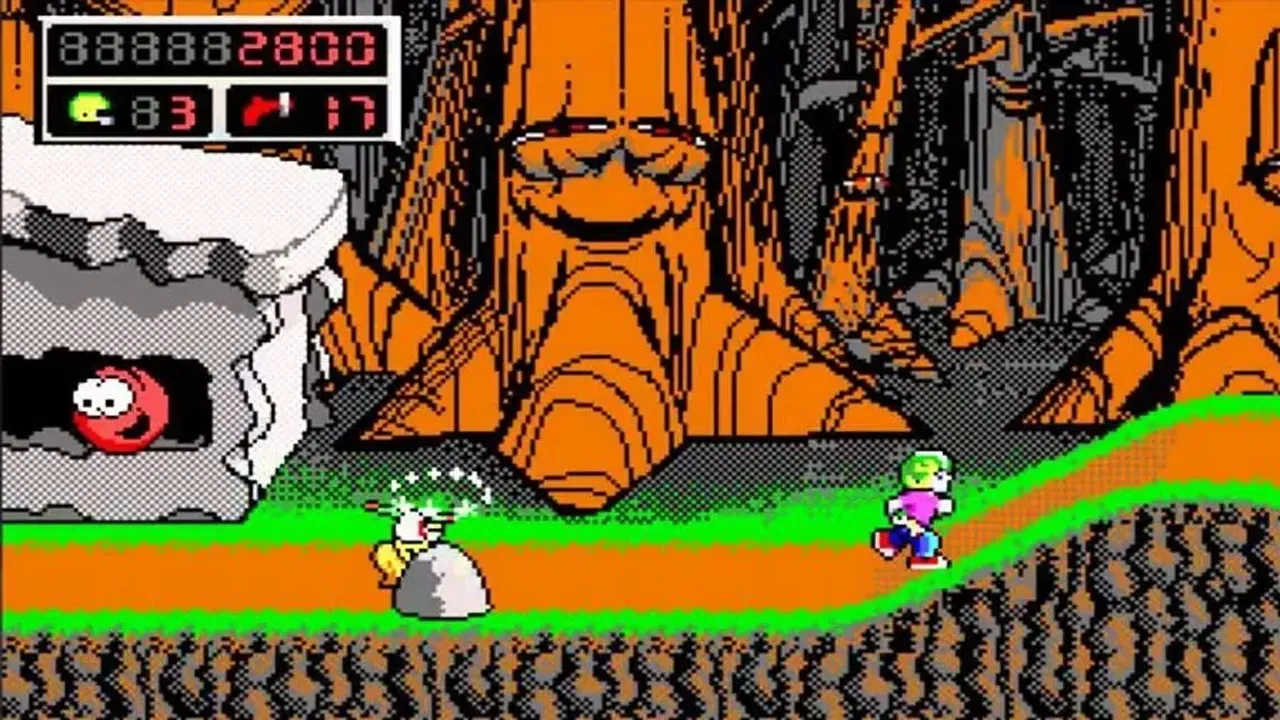
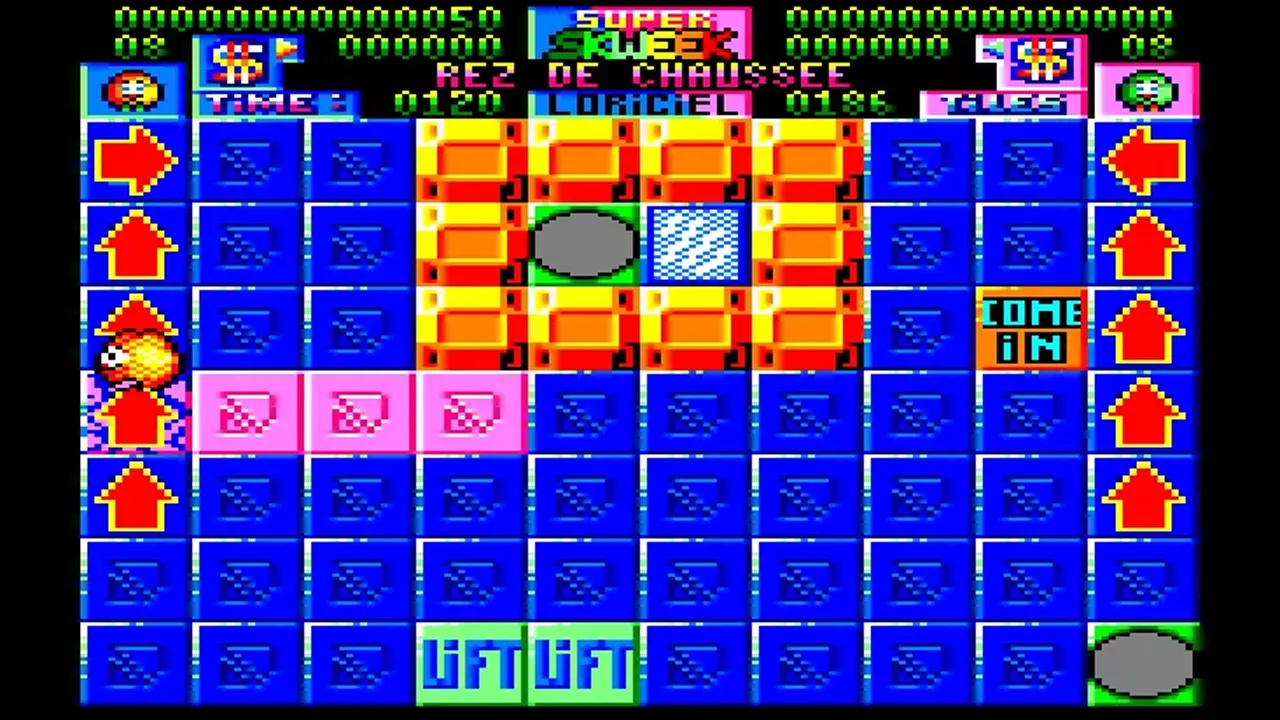
To forget Another World, Alone in the Dark, Commander Keen, Doom, or even Super Skweek, is literally to lose a piece of the puzzle.
And today, when a member of the Clan introduces Duck Tales to their kid on an emulator, or when we play Minecraft with our little ones… it is a transmission, an intergenerational bond. A common language made of pixels and memories.
To be continued ?
No, we aren't going to do a full "feature" just yet. But perhaps we will return to dig into specific parts of this vast subject, through memories, techniques, or cult objects. For now, let's just take a moment to think back to our old computers, our yellowed controllers, and our faithful pixels.