Shhh ! The Incredible Secret of 8-Bit Microcomputers
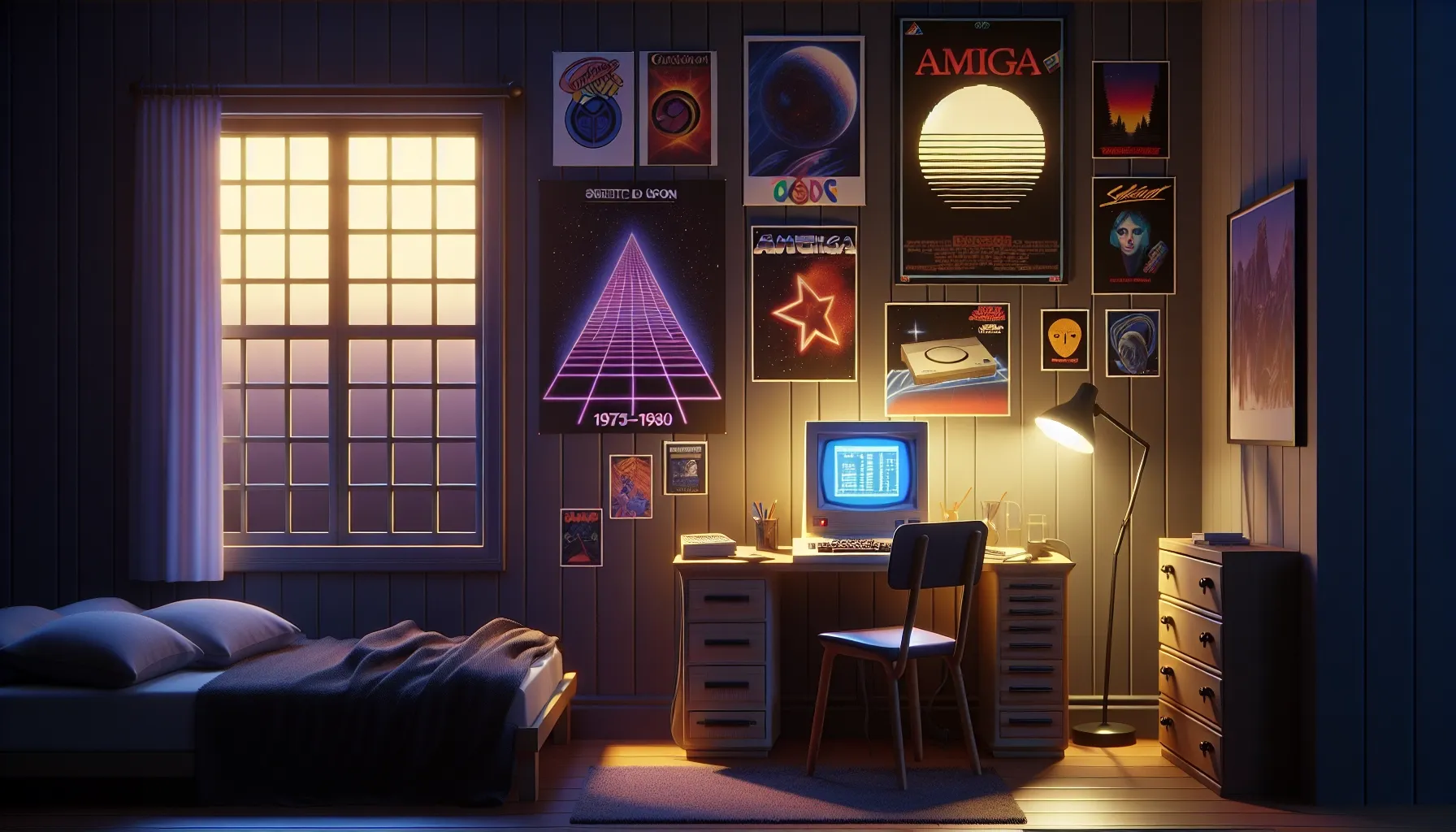
The year is 1982. The afternoon has just faded, the light is dimming, and in your room, your computer hums on the desk : a brand new ZX Spectrum, or a trusty Commodore 64 you managed to convince your parents to buy "for schoolwork"… even though you know perfectly well it will only be used to launch games. You turn the dial on your FM radio. Cyndi Lauper is playing in the background, a few ads, the news. Business as usual. Until you remember that your best friend from the computer club whispered a rather mysterious sentence to you today : "If you record tonight's show on a cassette… you can load a real program into your computer. Just as if you had bought the game." What..?
💾 Playing a game recorded… from the radio ? Is he trolling me or what ? This sounds like a total urban legend… Like those secret codes to blow up your score in Pac-Man. And yet… This time, the rumor is true...
The Secret of the Cassette Machines
Where did this come from ?
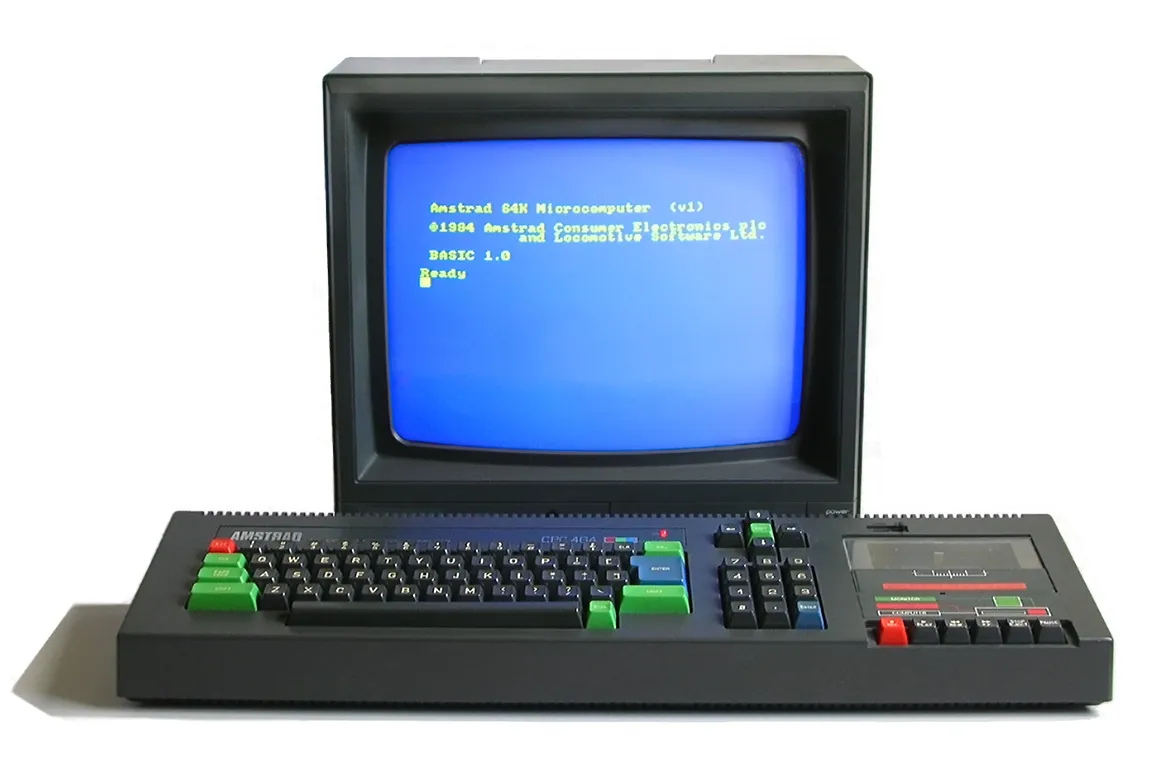
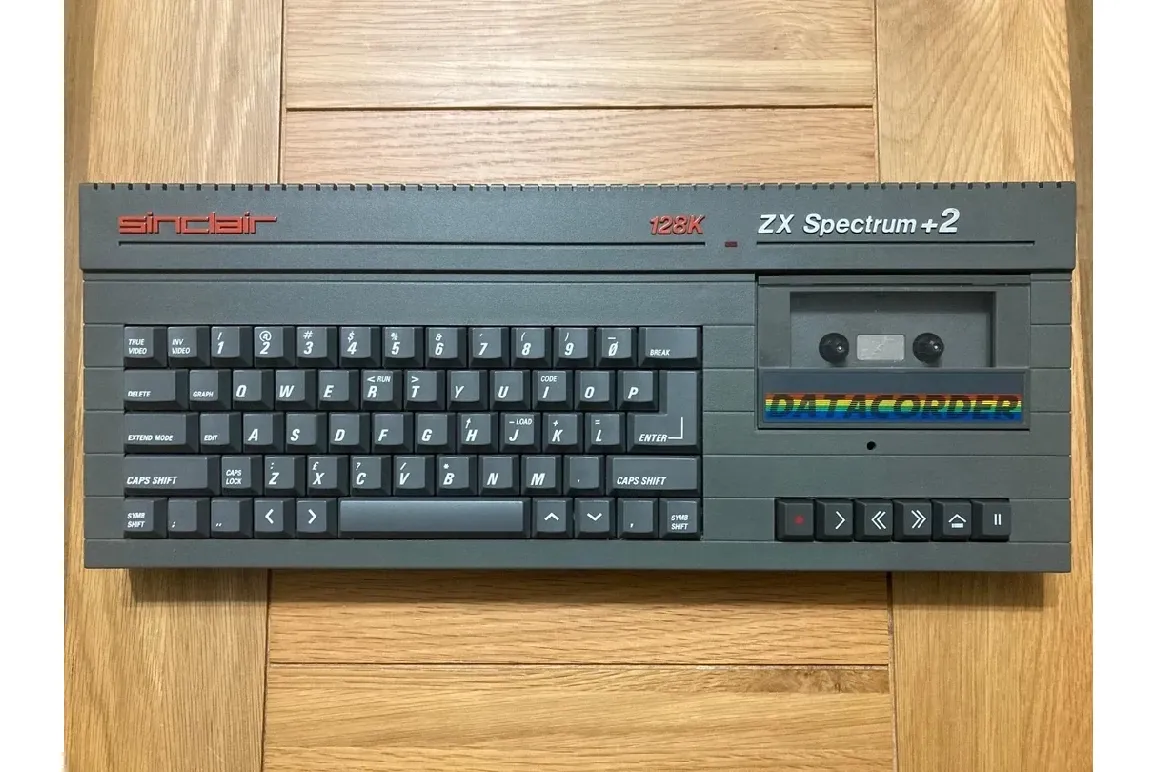
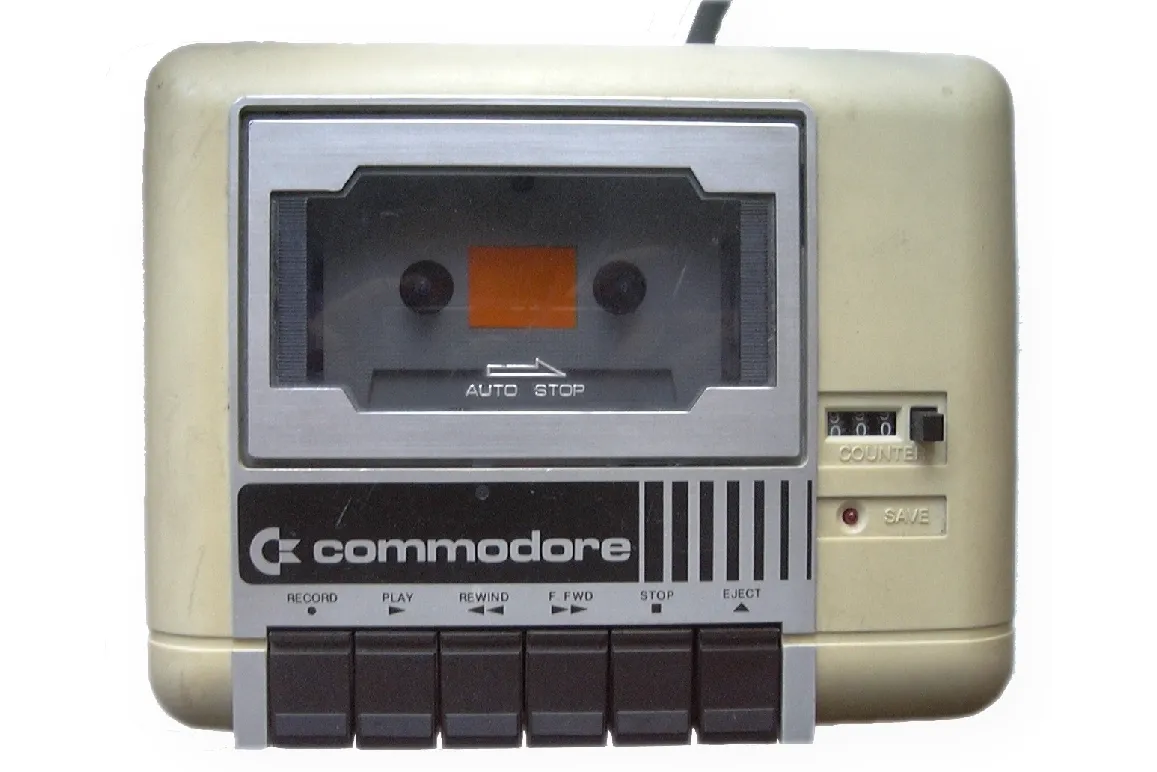
To understand how an FM radio can transmit a video game, we have to go back to a simple principle : games for 8-bit microcomputers in the 80s were often sold on audio cassettes. Yes, real cassettes, like those from The Police or Duran Duran. The kind we used to record an album, a show, or a homemade mixtape.
Except for our computers back then, they didn't contain music ; they contained data in the form of sounds. And technically, nothing prevents you from broadcasting beeps and chirps over the radio. If you record the broadcast, your cassette captures these audio signals. And if your computer knows how to decode them… Then it can load the program. Simple, basic, you have the foundations.
A simple radio set, connected to a tape recorder, acted as a receiver. We recorded these "beeps," then put the tape back into the computer, just like a standard cassette. No special modem needed : just consumer audio equipment, a computer with a tape drive, and… patience, LOTS of patience.
Destination : Netherlands (1979–1980)
It All Starts Here
We head back to 1979, to a Dutch radio show called Hobbyscoop, which took an interest in the new personal computers. They invited geeks, radio amateurs, and developers, and they had a wild idea : "What if we broadcasted BASIC programs over the airwaves ?"
And so it began : they broadcasted small programs : simple animations, utilities, mini-games, and graphic demos. Listeners recorded them, tested them, and wrote to the radio studio to say it worked, that it was brilliant. The phenomenon took off. We were at the very dawn of personal computing, and already, radio was becoming a way to transfer software.
The presenters would explain the limitations : you needed good reception, a cassette in good condition, and a reliable player. But the experiment was thrilling. Hobbyscoop quickly became the nerve center of what could be considered the first "radio app store" in history.
BASICODE : The Esperanto of Computers
⚠️ And here is the catch : A program for a ZX81 is not compatible with a Commodore 64. Each machine has its own language, its BASIC interpreter, and its quirks. To use an analogy, a C64 spoke German BASIC and a Spectrum spoke French BASIC. They didn't understand each other on the details.
A universal solution was needed. And Hobbyscoop invented it : BASICODE. A standardized BASIC language, accompanied by a small piece of software (the "Bascoder") capable of translating this language onto almost any machine. It forbade the use of machine-specific commands. Only the most elementary and universal BASIC instructions were allowed (like GOTO, FOR, PRINT).
💡 A program broadcast on the radio would work on Commodore 64, ZX Spectrum, Philips P2000, MSX, Amstrad CPC, and many others. It was a technical and community triumph. We could even say it was the first multi-platform attempt in the history of amateur gaming.
Thanks to BASICODE, thousands of enthusiasts in Europe could, for the first time : listen to a show, record a signal, and launch a small game or program at home broadcast via radio. Today… we have Bluetooth, WiFi, and satellites. But back then, it was pretty insane.
What About… France ? The USA ?
How It Really Felt
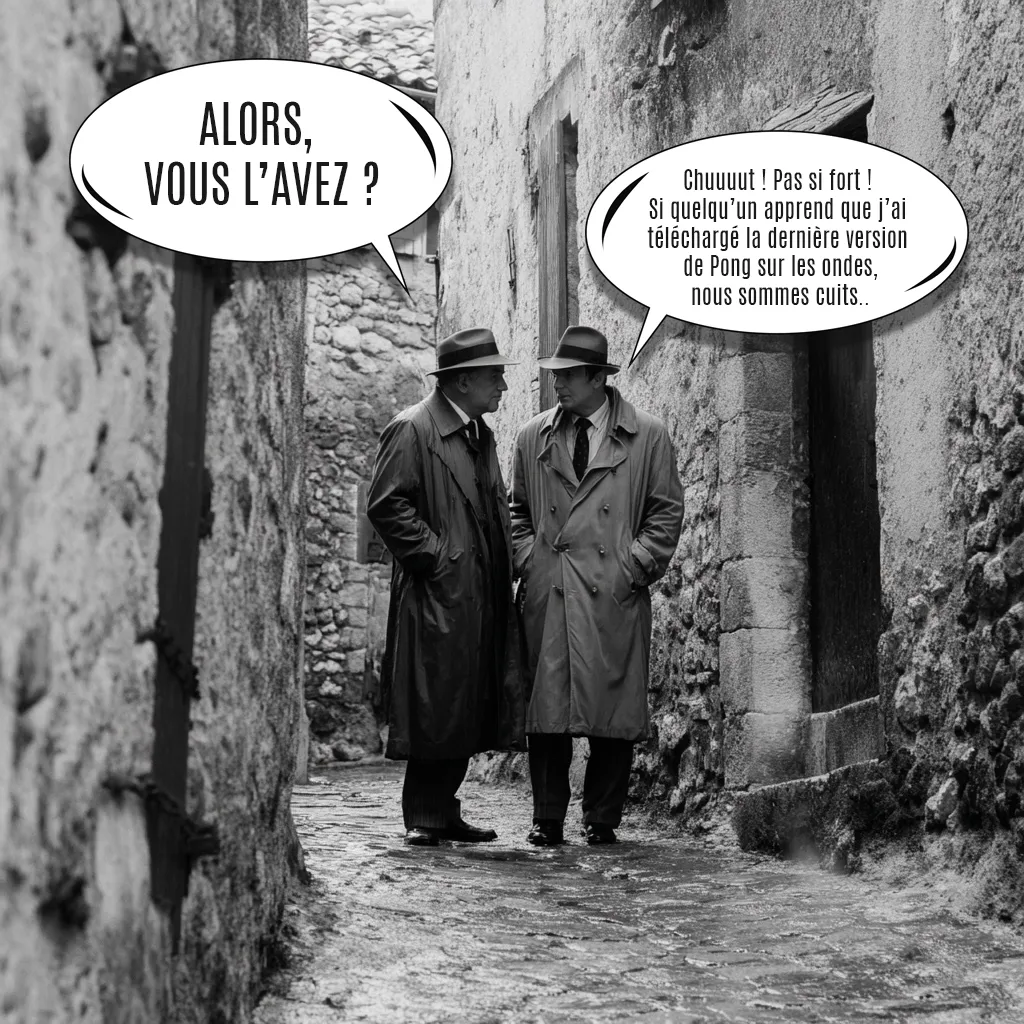
Despite the magic of the concept, no solid evidence exists in France of a radio officially broadcasting games or programs for microcomputers. Perhaps a few pirate radio stations tried the experiment, but nothing archived, nothing comparable to the Dutch or Yugoslavian initiatives. Same observation in the United States, where the floppy disk dominated so quickly that the idea of screaming an FSK signal (beeps of 0s and 1s) over FM never really took off.
💾 In countries where it did exist : Netherlands, Yugoslavia, Poland… the experience left unforgettable memories : the stress of hitting "REC" at exactly the right moment, the family having to stay quiet so as not to disturb the recording, the sound of the cassette drive clicking and searching for the start of the data… For many, it was their first hacker's thrill.
What We Actually Got, and Why It Vanished
Let's be honest : we weren't loading Boulder Dash or Elite via radio. The programs were short, lightweight, and usually in BASIC : snakes, mazes, small ASCII games, some utilities… But in a world without internet, receiving a game via FM waves felt like a miracle.
Then progress swept it all away : floppy disks made cassettes obsolete, 16-bit machines made programs too heavy for the radio, FM stations became more professional, and computing went mainstream.
🕹️ Yet, the idea never completely disappeared : even today, technologies like ultrasound, Google Nearby, or certain connected toys use the same principles of data encoded in sound. Enthusiasts even recreate the experience in 2025, broadcasting BASICODE on a small local radio to load a game on a real Spectrum, and it works.
Conclusion : A Forgotten Page of Video Game History
So, in the end, if you're wondering if you could really record a game from the radio in the 80s, the answer is clear : Yes, THEY DID IT !
But only in certain countries, on certain shows, for modest programs, and thanks to a handful of brilliant enthusiasts who transformed a simple FM wave into a bridge to another world.
It is a little-known but essential page in the great history of video games. You've just read a true story that few players know. Now, it's your turn to transmit it !
If you have memories of cassettes, radio, or 8-bit computers that stuck with you, feel free to talk about them in the comments below !