From One-Ton Hard Drives to Ctrl+Alt+Del : The Human Adventure Behind Every Click
We often talk about terabytes and Ray Tracing, but tech is first and foremost a group of people who had to improvise with what they had, discovering things, naming them, and making them work ! Let’s head back to the dusty attic of computing's past with three stories guaranteed 100% authentic that will make you look at your gear in a whole new light.
Grace Hopper and the Moth : The First Real Bug
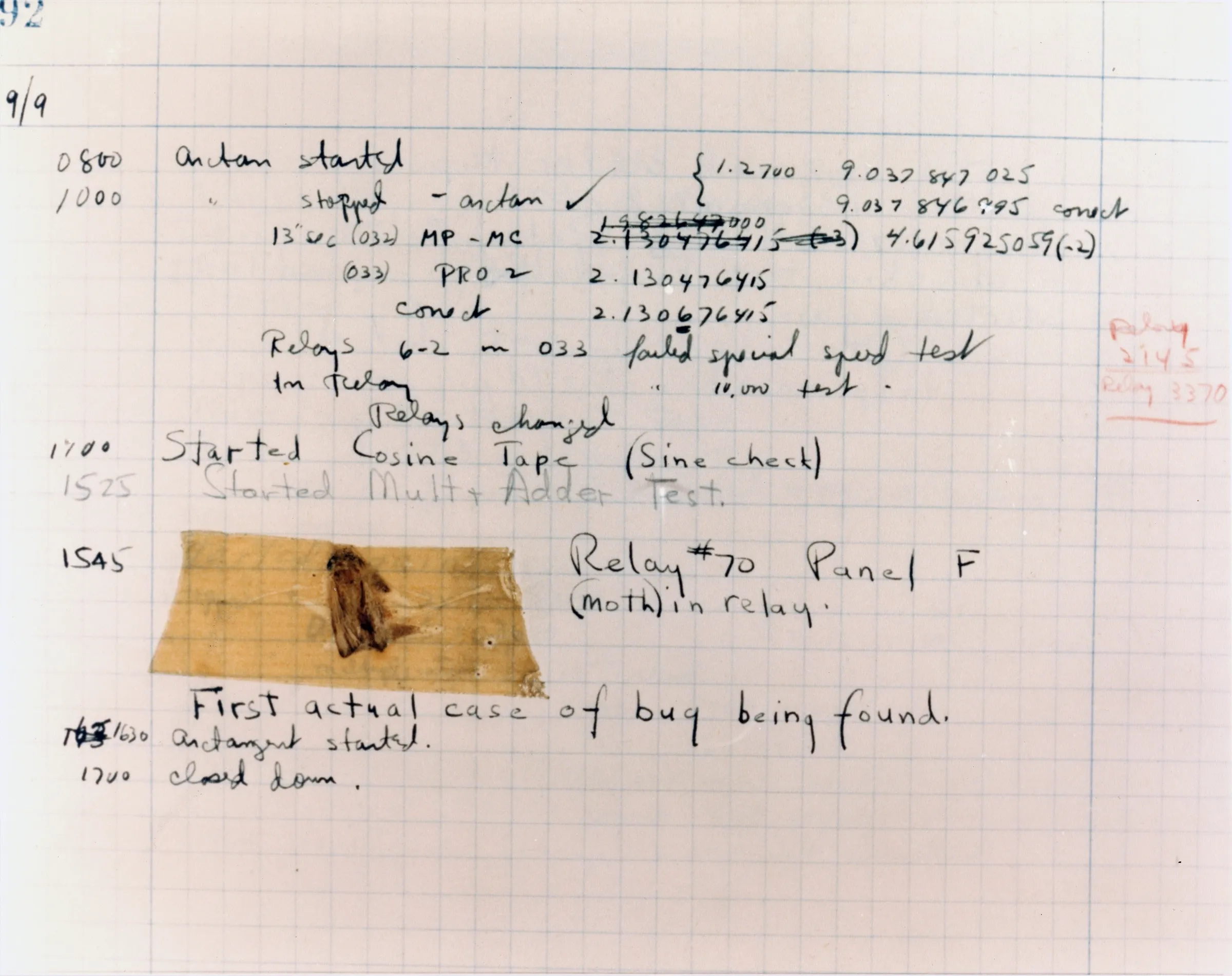
The date is September 9, 1947, at Harvard University. Back then, the computer was called the Mark II. It was a monster that occupied an entire room and made a hellish racket with its thousands of electromechanical relays (types of switches that click loudly). For the record, it notably served for calculations during the Manhattan Project.
Around 3 :45 PM, the machine started acting up. The legendary Grace Hopper’s team searched for the failure for hours. Upon opening the panel of relay #70 on Panel F, they stumbled upon an incredible scene : a moth (a real insect) had been fried after getting stuck between the contact points.
Grace Hopper's team retrieved the insect with tweezers and taped it into the team's logbook. She wrote just below it : "First actual case of bug being found". This original logbook is still preserved today at the Smithsonian Museum.
The word "bug" already existed among engineers to describe a technical issue, but it was on that day that it officially became linked to computing because of a stray insect !

David Bradley and Ctrl+Alt+Del : The Invention of a Legendary Shortcut
Let’s jump to the early 80s. IBM is working on its very first IBM PC (the 5150) because it is losing the battle of the emerging personal computer market to Apple and Commodore. To catch up, IBM broke its own rules and created an autonomous unit : Project Chess.
David Bradley was part of the elite group nicknamed the Dirty Dozen. This team of 12 engineers had carte blanche to ignore IBM’s usual bureaucracy. Their mission : create a simple, scalable, and affordable computer. David Bradley was in charge of writing the BIOS (the basic code that allows the computer to start).
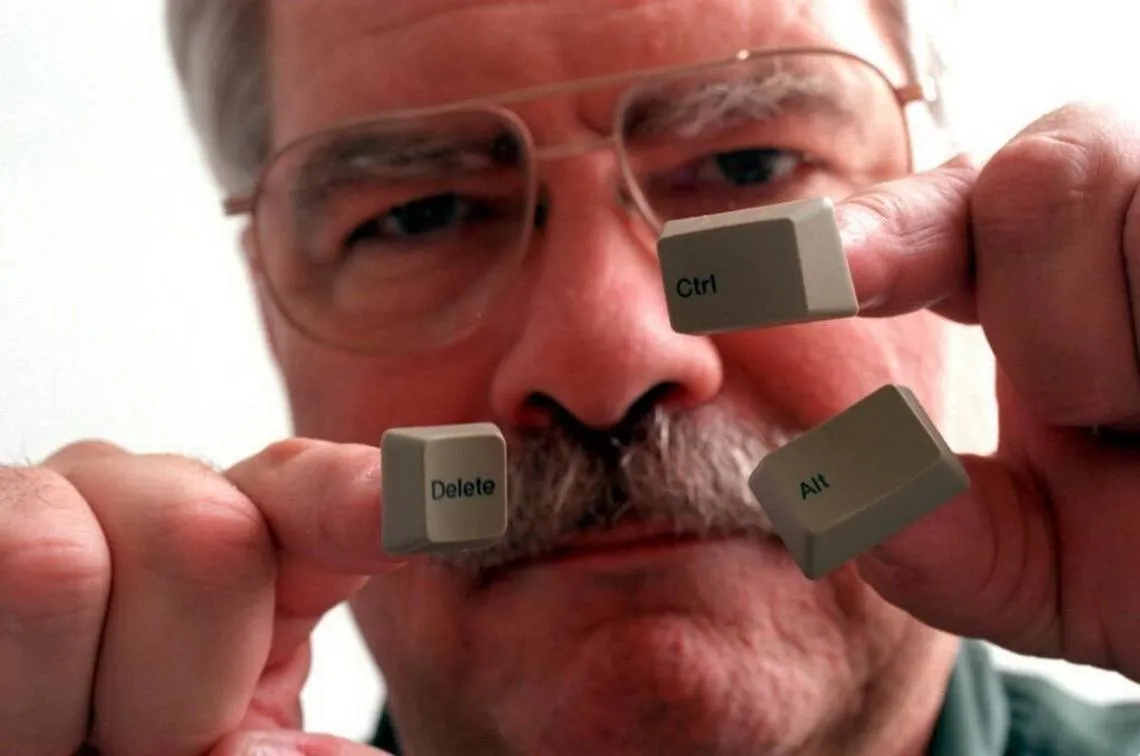
The Invention of Ctrl+Alt+Del
The anecdote has become legendary. During development, engineers had to constantly restart the computer with every programming bug. This took forever because the device performed full memory tests every time it was turned off and on again.
To save time, David Bradley coded a keyboard shortcut that allowed the system to reset without cutting the power. (soft reboot)
💡 Why these keys ? He chose Ctrl, Alt, and Del because it is impossible to press them by accident with one hand. It was a safety measure to ensure work wouldn't be lost by mistake.
David Bradley is also famous for his humor. During a conference for the 20th anniversary of the IBM PC, with Bill Gates in attendance, he famously stated : "I may have invented Ctrl+Alt+Del, but Bill made it famous."
The IBM RAMAC 305 : The 1000-Kilo Hard Drive
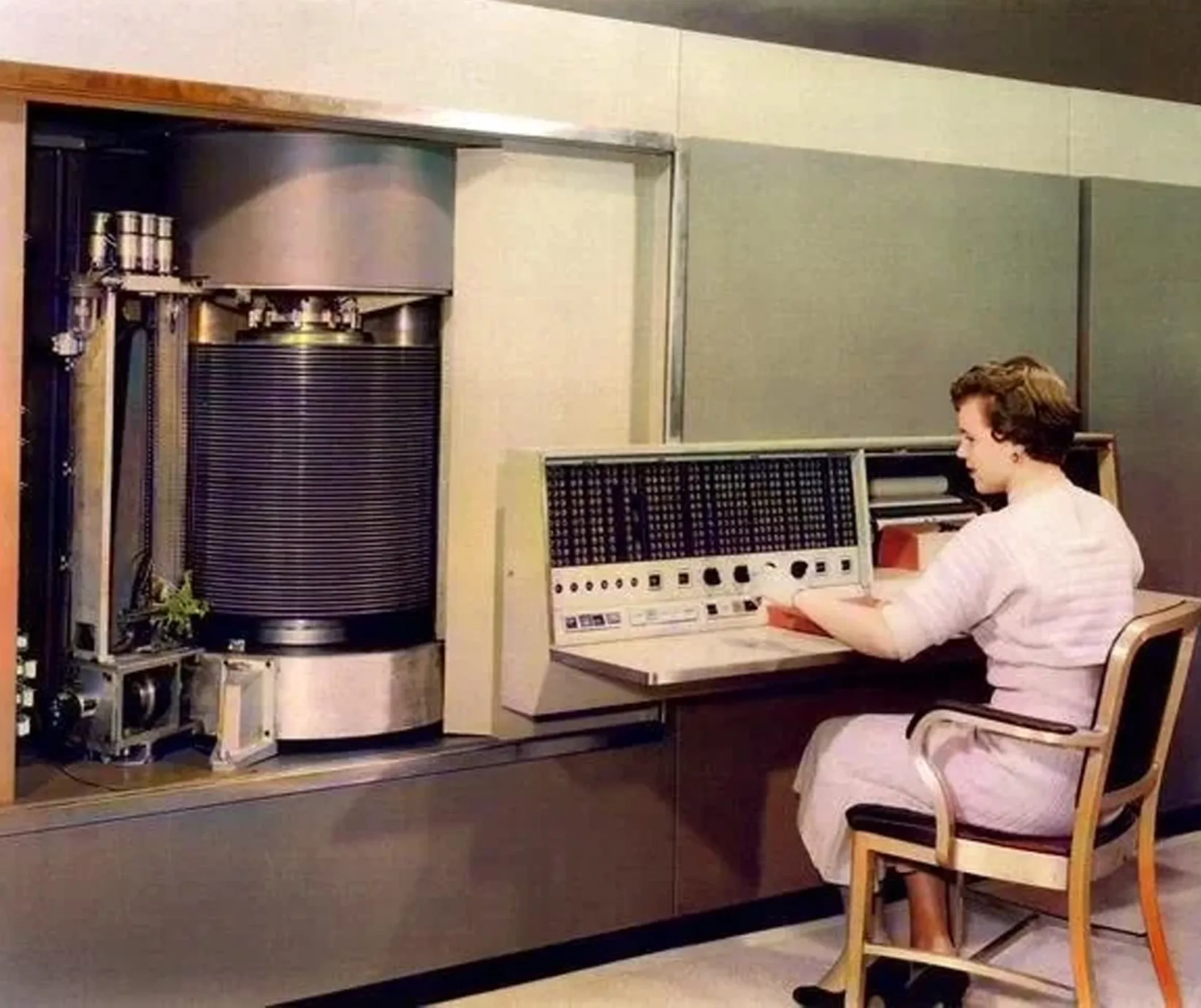
This time, we go back to 1956. IBM introduces the first disk-based storage system : the RAMAC 305. Until then, magnetic tapes or punch cards were the standard. It was a revolution, but a revolution that weighed as much as a small car (over a ton).
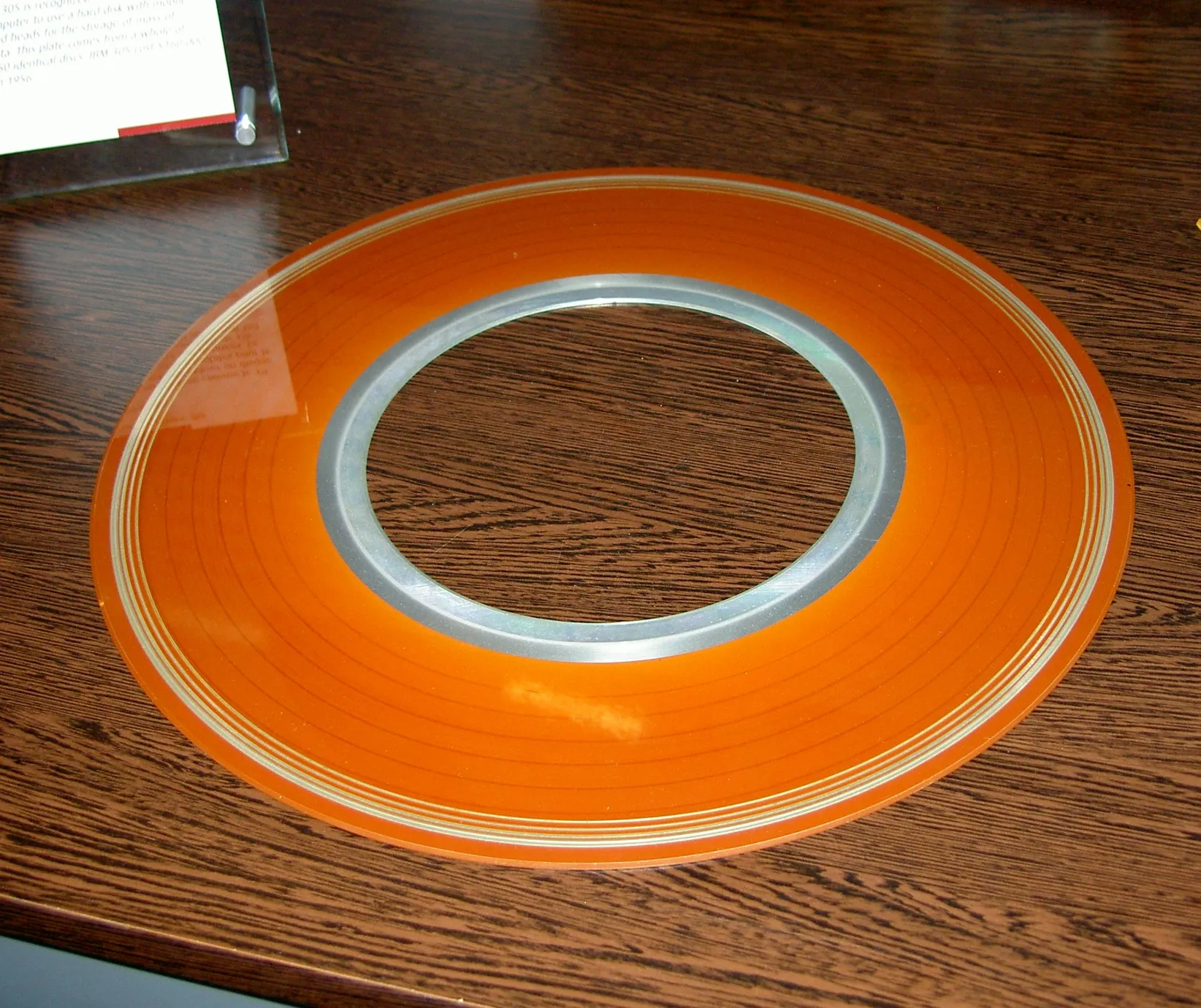
The system consisted of 50 enormous platters that spun at 1200 RPM. Its total capacity ? 5 MB. Yes, the equivalent of a single average-quality MP3 today.
At the time, you couldn't buy this hard drive. You rented it for $3,200 per month (which would be about $30,000 today). Installing it at a client's location required a crane and a flatbed truck.
The storage density was so low that it took 24 inches (60 cm) in diameter per platter to record just a few sectors. It is the starting point for everything we know today, from our 4 TB SSDs to the Cloud, and it makes you realize the staggering gap in miniaturization over the last 70 years !
These Anecdotes That Make Tech History
These three stories remind us that behind every technological innovation, there are unexpected moments, improvised solutions, and above all, ingenious humans. From the moth stuck in a relay to the hard drive transported by crane, these anecdotes show that modern computing was built through trials, errors, and brilliant discoveries.
The next time you press Ctrl+Alt+Del or complain about your hard drive's speed, remember : a few decades ago, you needed tweezers to debug a machine, three fingers to restart it, and a truck to transport 5 MB of data.
And if you have any tech anecdotes that have stayed with you, feel free to share them in the comments below !