The Nintendo PlayStation Origin: How a Public Betrayal Created Sony's Gaming Empire
🕹️ Quick brief before we dive in : 35 years ago, Sony and Nintendo were partners on a CD drive for the Super Nintendo. A secret deal, a very public betrayal, and a decision made in pure rage gave birth to the console that changed everything : the PlayStation. This is what happens when you humiliate the wrong partner.
You know the PlayStation. Maybe you grew up with it, or at least know it shifted 102 million units, gave us Final Fantasy VII, Metal Gear Solid, Resident Evil. But do you actually know how it came to exist ? Because the story behind it reads like a corporate espionage thriller. A public betrayal, an engineer gambling his entire career on one pitch, and a revenge play that literally rewired the video game industry. This is the story of a breakup between two Japanese giants, a humiliation broadcast to the whole world, and a console that never should have existed.
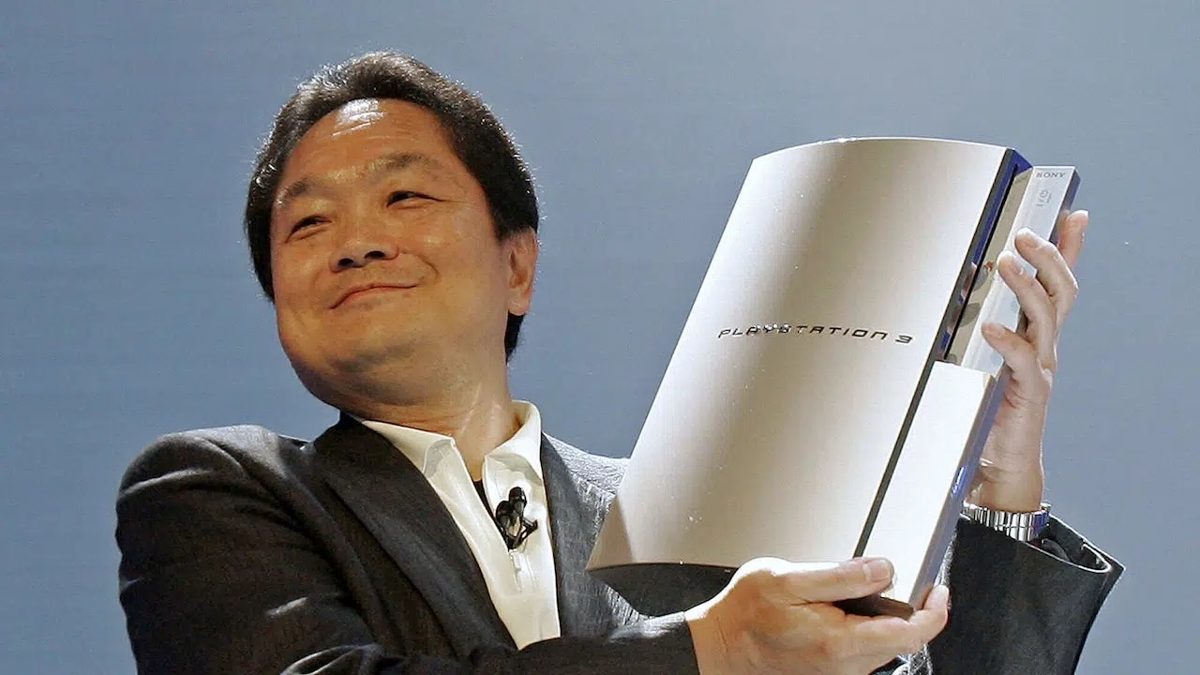
The Secret Deal and the Ghost Chip
When Sony was moonlighting for Nintendo
It all starts with a young Sony engineer named Ken Kutaragi. At a time when Sony viewed game consoles as cheap toys unworthy of their brand, Kutaragi was secretly working for Nintendo on the side. He designed the SPC700 chip, the audio engine that would power the future Super Nintendo, capable of producing stereo sound that would blow the competition clean out of the water, Sega included. The chip was a pure technological masterpiece.
When Sony's management found out, the executives were furious. Kutaragi had been working for a competitor without their knowledge. He nearly got fired on the spot. He saved his position thanks to a powerful ally : Norio Ohga, Sony's president himself, who saw potential in the man and decided to keep him as a protégé. That detail matters a lot later on, trust me.
💾 Back then, Nintendo ruled its partners with an iron fist. To publish a game on NES or Super Nintendo, developers had to sign crushing contracts : no more than five games per year, full exclusivity, and Nintendo was the sole manufacturer of every single cartridge. That physical control over cartridge production was their cash machine. Every game sold on their platform generated royalties directly for them. Threatening that model ? Unthinkable.
Riding that first success, Kutaragi convinced Sony to take part in a far bigger project : building a CD-ROM add-on for the Super Nintendo. In 1988, the contract between the two giants was signed. The deal stated that Sony would handle the hardware, and crucially, that they would retain the royalty rights on all CD-format games. In plain English : every game sold on the future CD format would go through Sony, not Nintendo.
At that point it was still called the "Play Station" with a space. The concept was simple on paper : a CD drive that plugged into the SNES to give it the power of the disc format. Nintendo, meanwhile, assumed the CD would mainly be used for karaoke. They signed the contract without imagining for a single second what the CD format would become as a gaming medium. A monumental miscalculation. They had just handed Sony a blank cheque on their own turf.
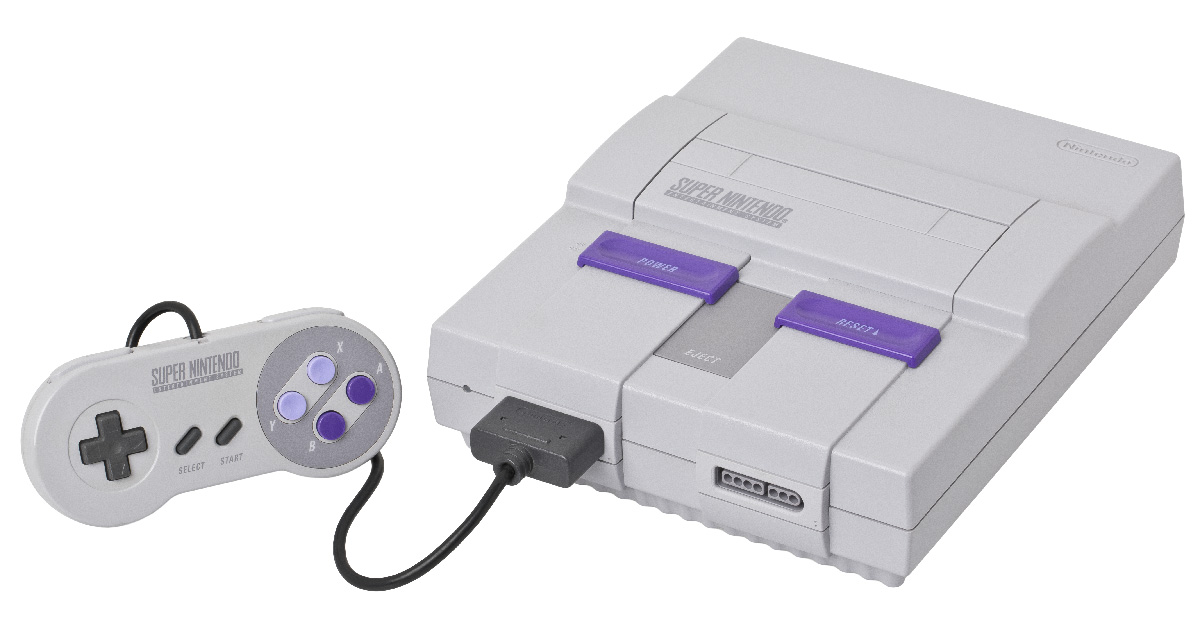
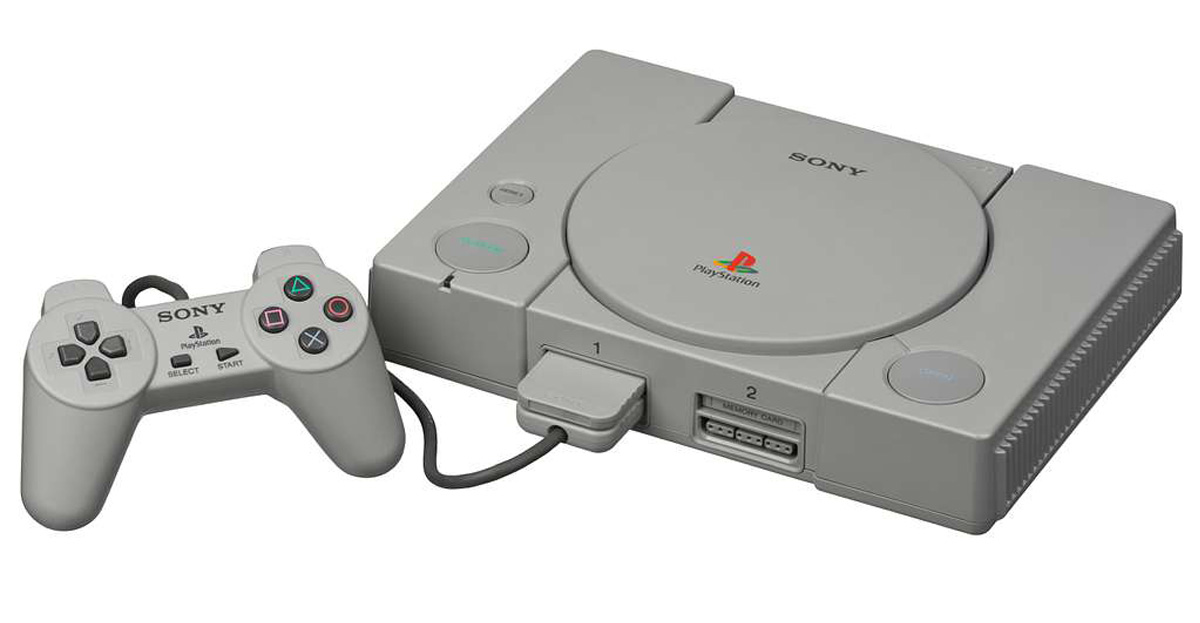
Nintendo in 1991 : An Empire That Thought It Was Untouchable
90% market share and a growing paranoia
To really understand what happens next, you need to grasp Nintendo's mindset in the early 90s. The Kyoto company was in a position of absolute dominance. Their old 8-bit NES was still in millions of living rooms, and their 16-bit Super Nintendo had just launched in Japan in November 1990 with an instant sellout : 300,000 units gone in a matter of hours. By 1991, once the SNES established itself, Nintendo held a crushing share of the global market.
Their only real threat at that point was Sega with the Mega Drive (Genesis in the US), who were starting to bite into their market share with aggressive marketing. The famous "Sega does what Nintendon't" was echoing through living rooms everywhere. Even under that pressure, Nintendo remained the undisputed leader. That dominant position is exactly what explains what happens next. They genuinely believed they were untouchable.
But behind that facade of calm dominance, a paranoia was building. The CD-ROM was becoming an obsession. For Nintendo, a cartridge was expensive to manufacture, hard to copy, and controlled by them from start to finish. A CD, on the other hand, anyone could burn a copy at home. Piracy on disc scared them. And above all, with the 1988 contract in place, if CD became the dominant format, it would be Sony collecting royalties on every SNES game sold on disc. Nintendo would lose control of its own revenue stream.
💡 Follow the money : Nintendo's entire business model rested on controlling cartridge manufacturing. Every publisher who wanted a game on their platform had to go through Nintendo to physically produce the carts. That was their primary revenue source. The Sony contract directly challenged that mechanism for the CD format, shifting that power to Sony. Yamauchi, Nintendo's big boss, had drastically underestimated this in 1988. Three years later, he realised the full scale of the disaster.
The CES 1991 Humiliation : The Betrayal Broadcast Live
A historic slap in the face, in front of the entire world
June 1st, 1991, at CES Chicago, and Sony is riding high. Olaf Olafsson, head of Sony Electronic Publishing, takes the stage and officially announces the "Play Station" to the world. The room applauds. The gaming press goes wild. The announcement lands like a bomb across the industry : Nintendo, the master of video games, and Sony, the consumer electronics giant, were pooling their forces on a CD-ROM format. The future of gaming seemed mapped out.
What no one in that room knows yet is that behind the scenes, Hiroshi Yamauchi, Nintendo's president, has already decided to flip the table. He had quietly sent Minoru Arakawa and Howard Lincoln, the heads of Nintendo of America, to Amsterdam to negotiate with Philips, Sony's direct rival. The reason was purely political and financial : the Philips deal gave Nintendo total control over its licences, while the Sony contract handed Sony the rights over CD games. With Philips, Nintendo took back the wheel. With Sony, they lost it.
"Sony had Nintendo by the balls. It was not a tenable position as far as Hiroshi Yamauchi was concerned. [The Philips deal] was meant to do two things at once : give Nintendo back its stranglehold on software and gracefully f*** Sony." - An anonymous industry consultant, quoted in Game Over by David Sheff
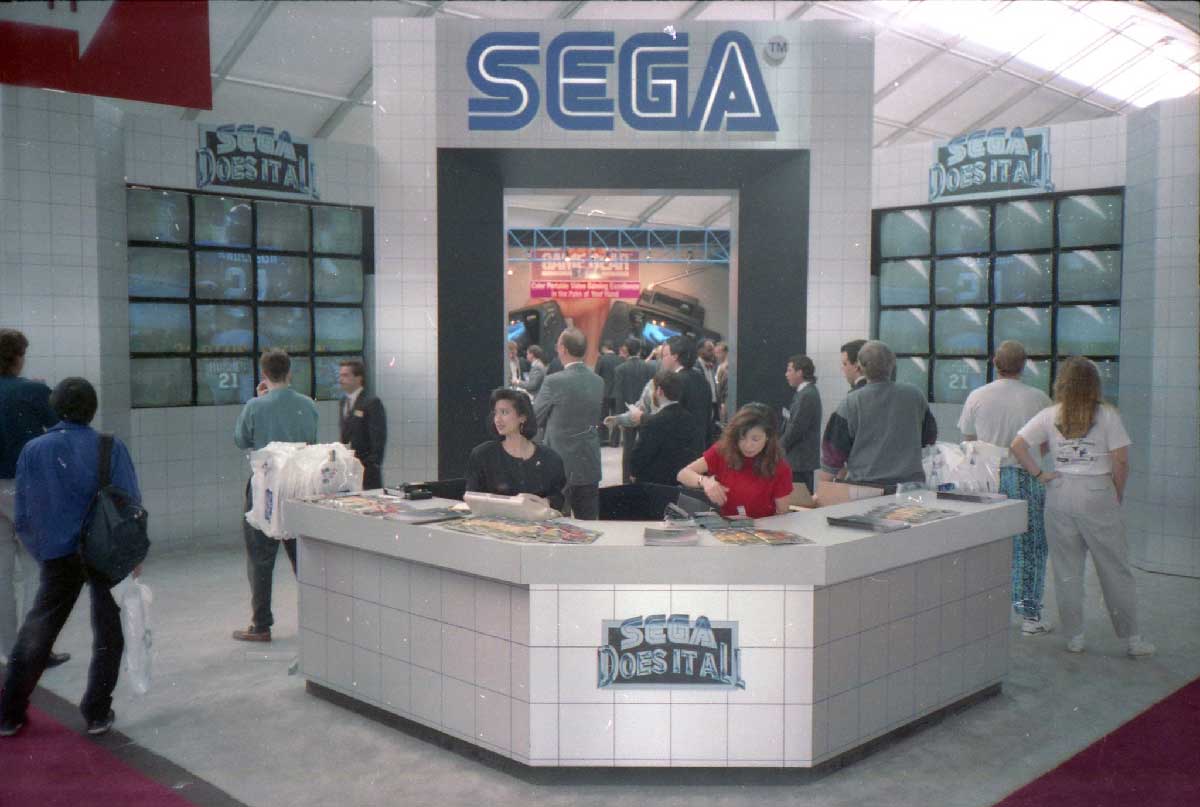
June 2nd, 1991 : the day after Sony's announcement, Nintendo calls a press conference. Everyone expects more details on the partnership. Instead, Nintendo drops the bombshell : they announce an alliance with Philips for an alternative CD-ROM add-on, reserved exclusively for Nintendo games. The New York Times headline the next morning says it all : "Nintendo-Philips deal is a slap at Sony". The humiliation is total, global, and on camera.
⚠️ The detail that makes it worse : According to some sources, Sony had caught wind of the Philips deal before the CES even opened. They went ahead with their announcement anyway, hoping Nintendo would back down or renegotiate. Nintendo had zero intention of backing down. Sony's June 1st announcement essentially just amplified the public humiliation.
Ken Kutaragi learns the news, depending on the version, on a train platform or through whispered rumours circulating through the company. Wherever he heard it, the rage was the same. He gets blamed for putting Sony in that position. For a time, the "Play Station" project is frozen. Sony is reduced to a simple supplier, still manufacturing sound chips for its competitor to honour existing contracts. The humiliation is complete.
"Do It !" : Honour Over Business
The meeting that changed history
Months pass. Sony even approaches Sega for a possible CD-ROM console collaboration. But Sega's Tokyo board shoots it down, deciding Sony knows nothing about making game hardware or software. Dead end. Then come fresh rounds of negotiations with Nintendo, also going nowhere.
The market, meanwhile, waits for no one. By 1992, Panasonic is gearing up with the 3DO, a high-end multimedia console. Sega is preparing its Mega-CD. The industry is moving fast. If Sony wants to exist in gaming, now is the moment. On June 24th, 1992, during a summit meeting chaired by Norio Ohga, Kutaragi plays his final card. He has been secretly building a prototype LSI chip capable of one million logic gates, exceeding Sony's own semiconductor division's capabilities at the time. A 32-bit machine, built for 3D.
Facing the big boss, Kutaragi does not pull out spreadsheets or market share projections. He talks about pride. He asks Ohga whether Sony is prepared to sit back and let Nintendo walk away clean after a stab in the back like that. And Ohga, the same man who had protected Kutaragi years earlier when he was moonlighting for Nintendo, slams his fist on the table. He shouts two words that will echo through gaming history.
"Do it !" — Norio Ohga, Sony president, June 1992. The PSX project is greenlit. On pure rage. On a matter of personal honour.
Worth noting : Kutaragi had reportedly even threatened to resign if Sony dropped the project. The man was fully convinced, right to the end, that the console was the future. That conviction, combined with Ohga's fury at Nintendo, became the fuel that powered the entire PlayStation adventure.
The T-Rex That Silenced the Industry
3D graphics as a secret weapon
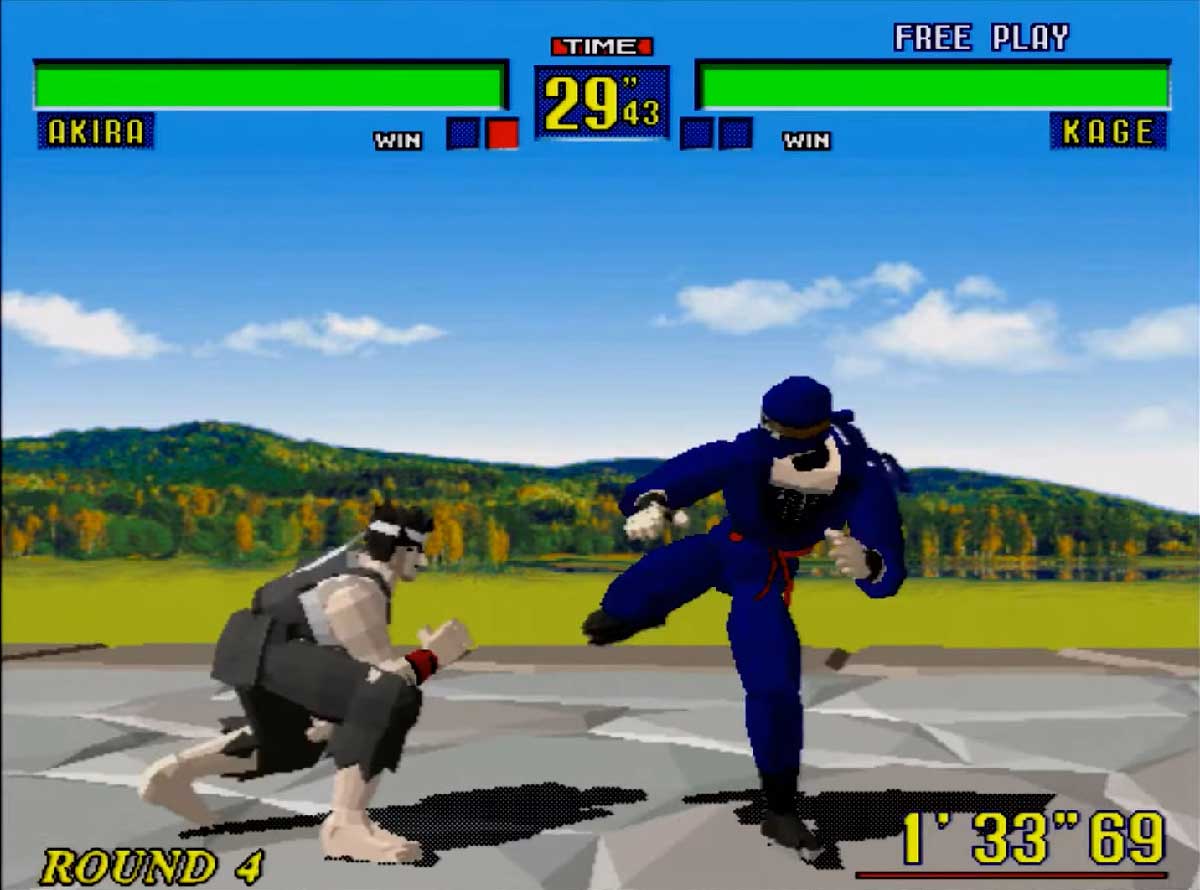
Kutaragi had a clear vision : real-time 3D. In 1992, nobody in the industry really believed in it. Publishers figured polygons were a decade away from living rooms. Then in 1993, Sega released Virtua Fighter in arcades. The shockwave was instant. 3D polygons were not science fiction anymore, they were right there in the arcades, and players were hungry for more. Sony moved in fast.
To convince still-sceptical developers, Kutaragi organised a technical demo in October 1993. On the screens appeared a fully 3D-modelled Tyrannosaurus Rex moving in real time with a smoothness no home machine had ever delivered. Kutaragi scanned the room. Dead silence. He thought he had bombed. In reality, the audience was in a state of pure technological shock. The future had just roared in their faces.
At the same time, Sony adopted a strategy that was the polar opposite of Nintendo's. Where the Kyoto giant imposed crushing conditions on its third-party developers, controlling down to how many games they could release per year, Sony threw the doors wide open. CDs cost a fraction of what cartridges cost to manufacture, which meant studios could pour far more investment into actual game content. The PlayStation became a platform that welcomed creators. Square, Konami, Capcom, who had long been under Nintendo's thumb, started looking Sony's way.
The Adults' Revenge
December 3rd, 1994 : the day Nintendo lost its throne
December 3rd, 1994, the PlayStation launches in Japan. The success is instant and massive. Queues snake through Akihabara. According to Famitsu magazine, 280,000 consoles were sold in the first month. What Nintendo never saw coming was that Sony was going to court an older crowd, a darker crowd, gamers who hung out in clubs and wanted adult experiences, not cartoon plumber adventures.
The console's clean design, the iconic controller buttons (triangle representing a human gaze, square for menus, circle and cross drawing from Japanese iconography for yes and no), the accessible CD format : all of it made the cartridge look ancient within months. This was the era of the landmark games that defined a generation. Final Fantasy VII, pulling Square away from Nintendo after years of collaboration. Resident Evil, inventing modern survival-horror. Metal Gear Solid, proving video games could tell stories worthy of great cinema.
The PlayStation became the first home console to break 102 million units sold worldwide. The CD drive that was supposed to just clip onto a Super Nintendo for karaoke ended up swallowing its creator whole, and reshaping gaming forever. Ken Kutaragi won his bet. Norio Ohga and his two words, shouted in a moment of pure anger, had outwitted an entire industry.
💾 And Nintendo ? Their N64, released in 1996, stuck to the cartridge format out of fear of piracy and to keep royalty control. That choice, ironically, cost them Square, Capcom, and dozens of other publishers who preferred the PlayStation's CD. Nintendo, by backstabbing Sony, had literally built their own worst nightmare with their own hands. One hell of a boomerang.
And you, do you remember your first PlayStation ? A game that blew your mind back then ? Drop it in the comments below !
💡 Join the community !
Want to talk games, find people to play with or share your retro gaming memories ? Come hang out on the Little Big Campus Discord 👾