Bungie Before Halo : When PC Strategy Plunged Into the Shadows
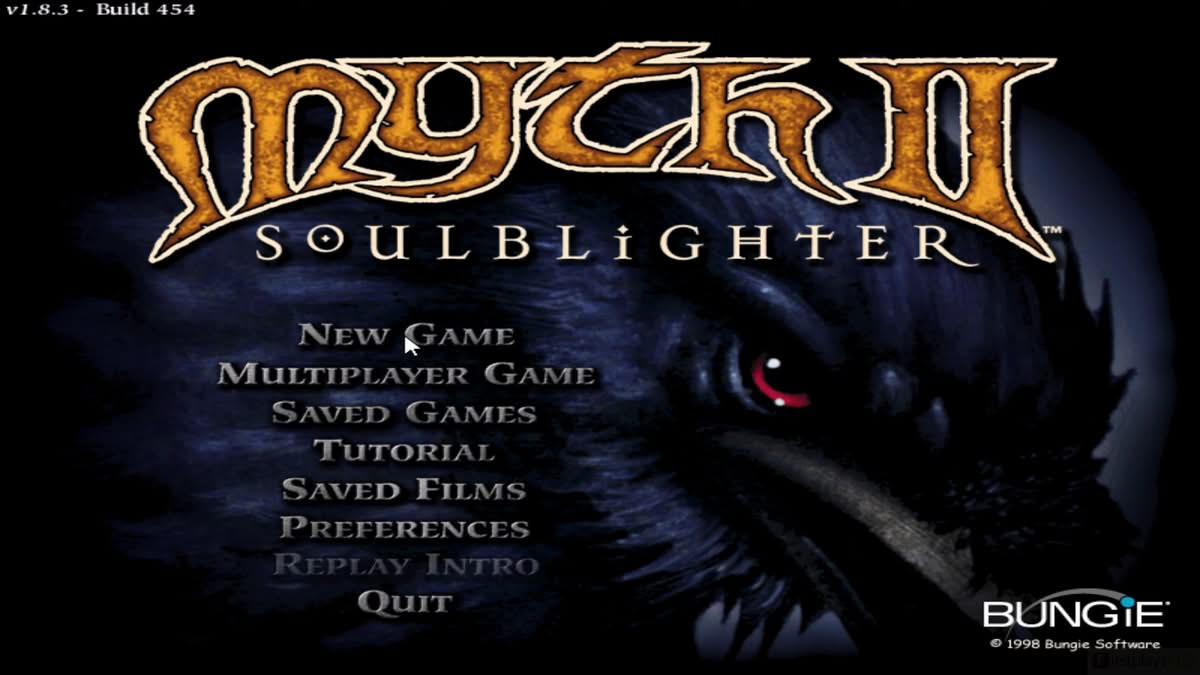
Our great journey through the golden age of LANs and PC classics is coming to an end. For this penultimate stop, our cult retrospective on RTS games from 1995 to 2000 leaves deep space and desert plains to dive headfirst into one of the heaviest atmospheres of the decade. Before revolutionizing the industry with Halo, the studio Bungie left a massive mark on the late 90s with the Myth franchise. Released in 1997 and published by Eidos, Myth : The Fallen Lords was rapidly followed by Myth II : Soulblighter in 1998, and then by Myth III : The Wolf Age in 2001, developed this time around by MumboJumbo.
The Golden Age of Swapping CDs at Recess
When a Friend Changed Everything
Let us be completely honest : I never bought the original physical boxes of these titles when they launched. In a strategy game, I always loved the comfort of management, building up my camp, hoarding wood or gold, and taking the time to compose the perfect army before crushing the opponent. Bungie's proposition took a completely different path, pushing me far outside that comfort zone.
It was ultimately a friend who lent me his discs. Do you remember that magic ? The era when we traded our physical copies under the radar between classes in the schoolyard, rushing home to launch the installation with a pounding heart. Immersing myself in this universe was an immediate thermal shock.
💾 The burned CDs we discreetly passed around in the hallways... The installation looping on the Windows 98 screen while we prayed for it to work. An era where sharing a game also meant sharing an adventure.
A Formula Breaking Away From Everything We Knew
Myth purely and simply removes all base-building and resource-gathering mechanics. You are thrust into an intense scenario with a strict starting battalion, and you have to make do with it. Nothing more, nothing less. For a player used to the safety net of a well-defended base, this was a massive paradigm shift.
The Tactical Die and Retry Before Its Time
Managing Troops Millimeter by Millimeter
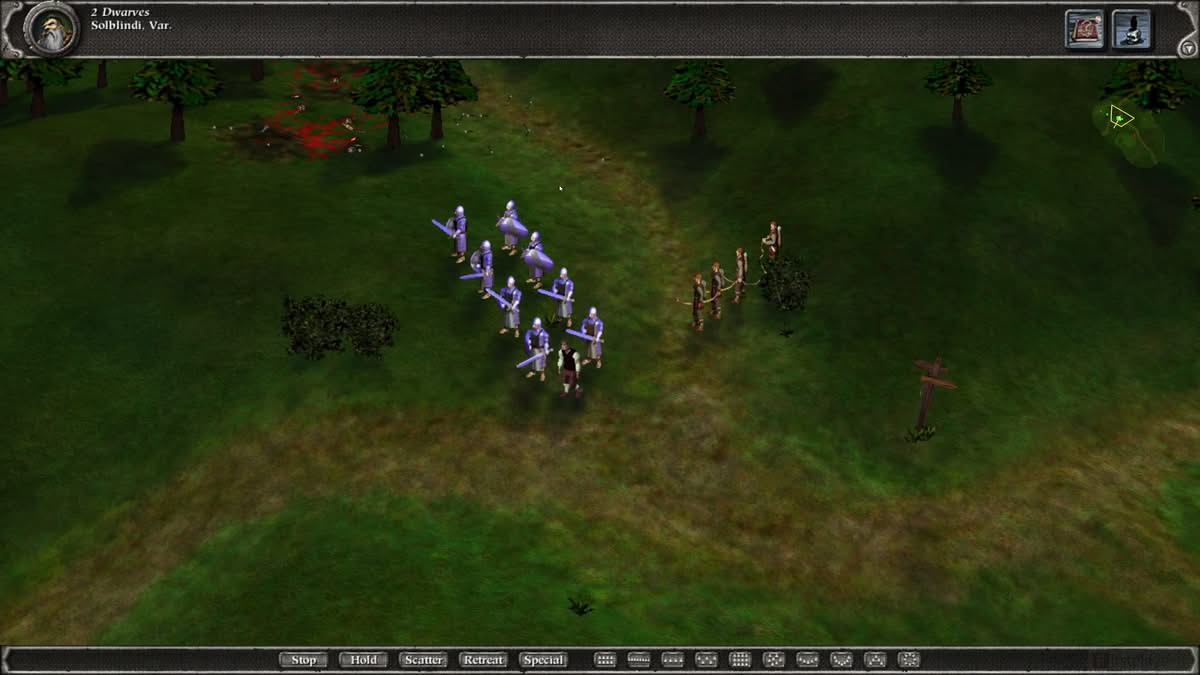
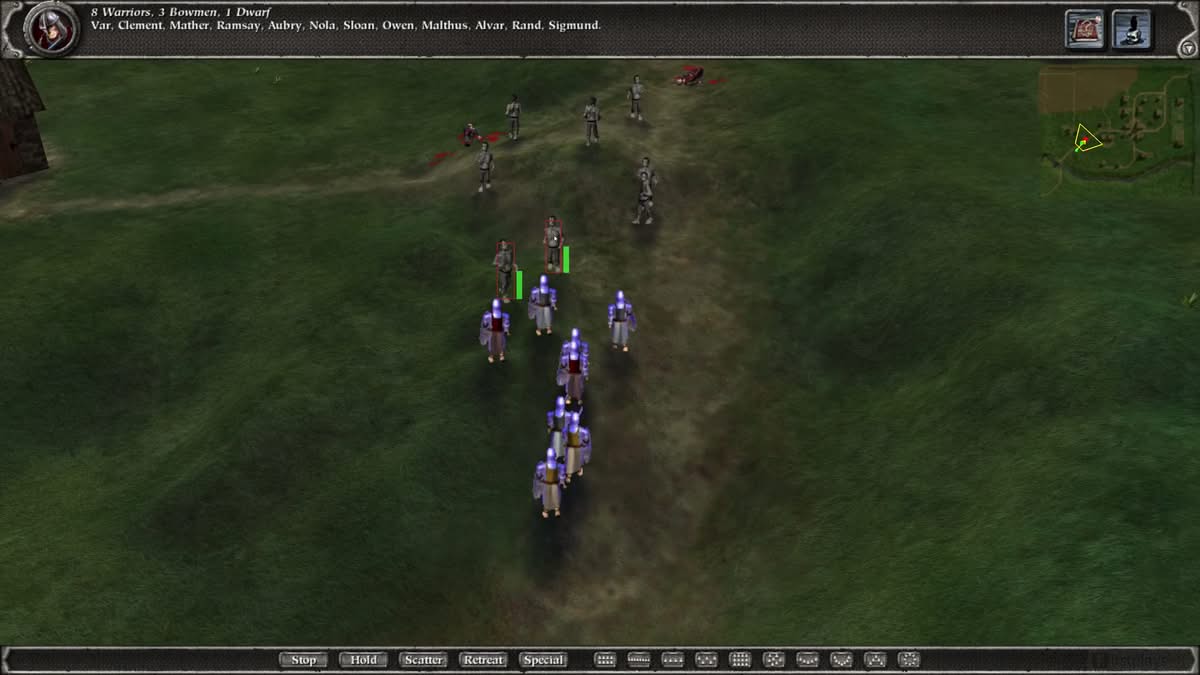
This base-free approach forces you to completely rethink the way you play. If you have never laid hands on this franchise, imagine a battle phase from a modern Total War. You command your troops on the field, you must hold strategic positions against hordes of the undead, and the slightest positioning error is absolutely final.
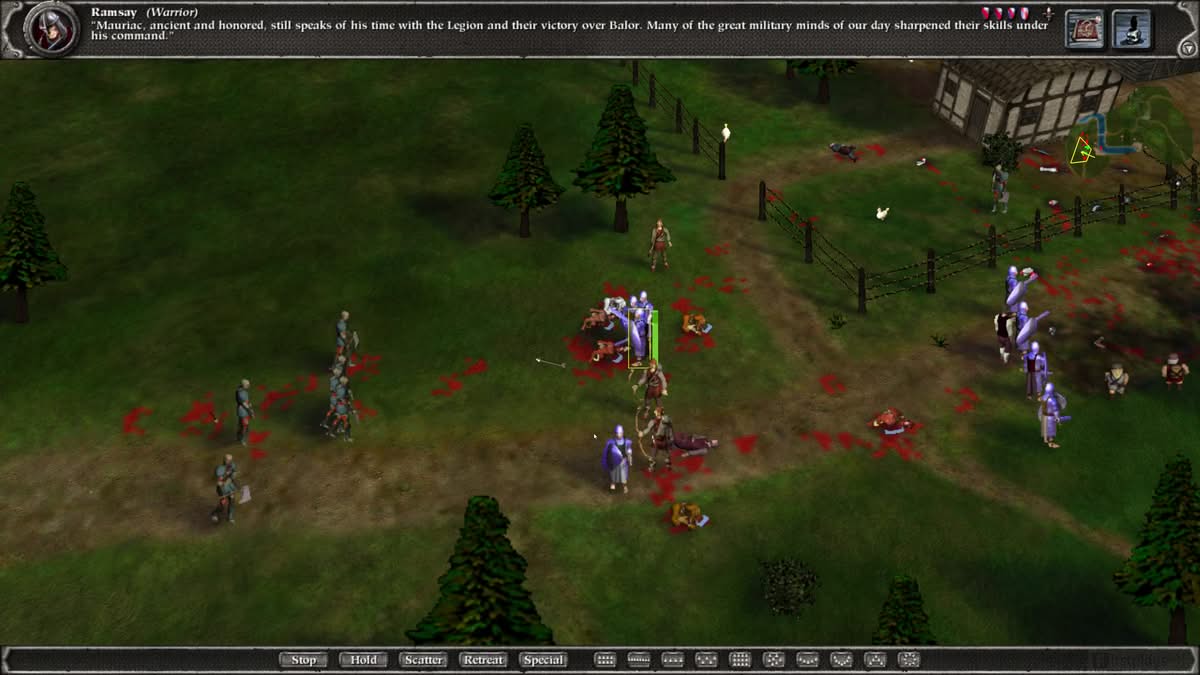
The difficulty level was extremely high, feeling like a true Die and Retry experience : you suffer a crushing defeat, you restart the map, and you alter your attack plan. The micro-management of every single unit demanded constant attention, recalling the meticulous care needed in a Knights and Merchants or an Age of Empires.
💡 Survival tactic : The heavy-armored warriors absolutely had to block the ghouls on the frontline, while the archers and dwarven demolitionists stayed back for cover. The smallest gap in the front line resulted in a total rout.
Since the number of soldiers under your command was severely limited, every loss became a tragedy. The enemy artificial intelligence spent its time flanking you to attack from all sides simultaneously, requiring constant repositioning. No rest, no turning back.
An End-of-the-World Atmosphere That Grabbed You by the Guts
The Dark Side of Warcraft's Colorful World
While the juggernaut Warcraft II embraced a highly colorful and almost joyful art direction, the Myth saga plunged players into utter desolation. The lore features The Legion, a human army fighting desperately against the Fallen Lords and their rotting legions. The kingdom is collapsing from all sides, and that intense urgency is felt in every single mission.
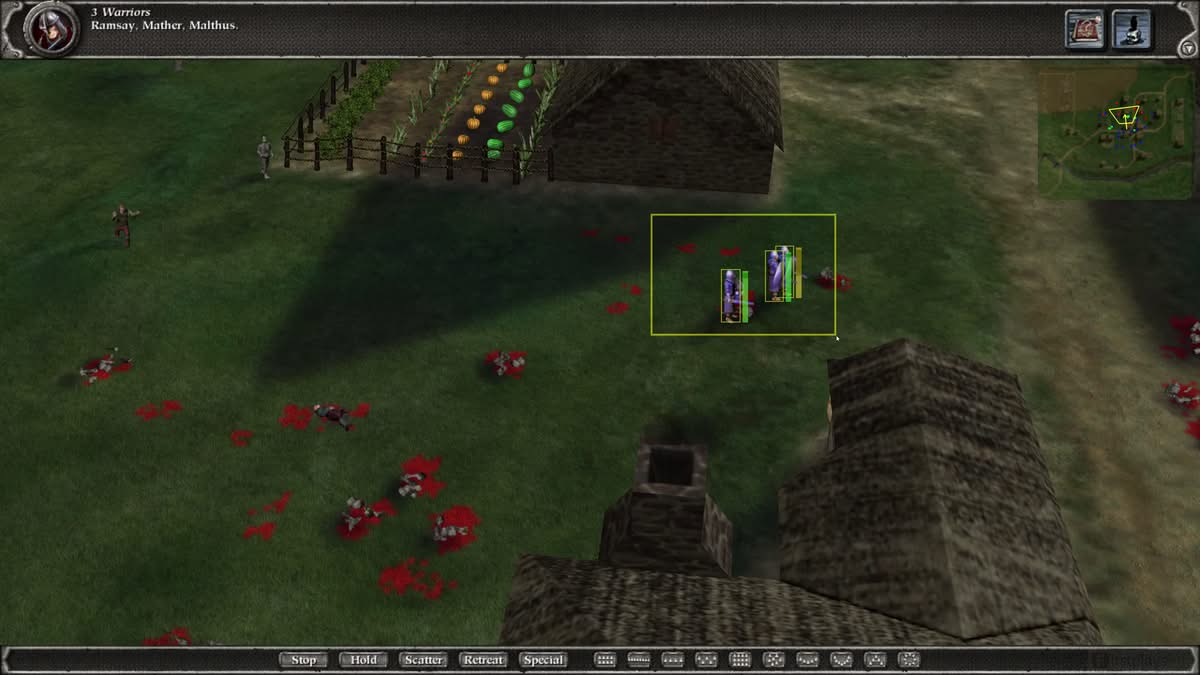
It smelled like death in every alley. The game engine, capable of handling complex physics for its time, let corpses and blood carpet the ground as the battles raged on.
Victory, when it finally smiled upon you, often left an aftertaste of ashes. Your survivors could regularly be counted on the fingers of one hand in the middle of a ruined battlefield. A way of storytelling and depicting war that very few games dared to use back then.
🕹️ To truly understand the atmosphere of Myth II from the very first seconds, its cinematic intro remains a remarkable artifact of its time. A grave voiceover narration, images of desolation, and a sense of absolute doom that settles in before you even touch a single unit.
A Vanished Genre, But an Indelible Impact
A Formula Too Demanding to Last
The formula of pure real-time tactics, lacking the safety valve of unit creation, eventually ran out of steam over the long run. The general audience largely preferred returning to base-building mechanics, which were far less punishing when losing a handful of soldiers.
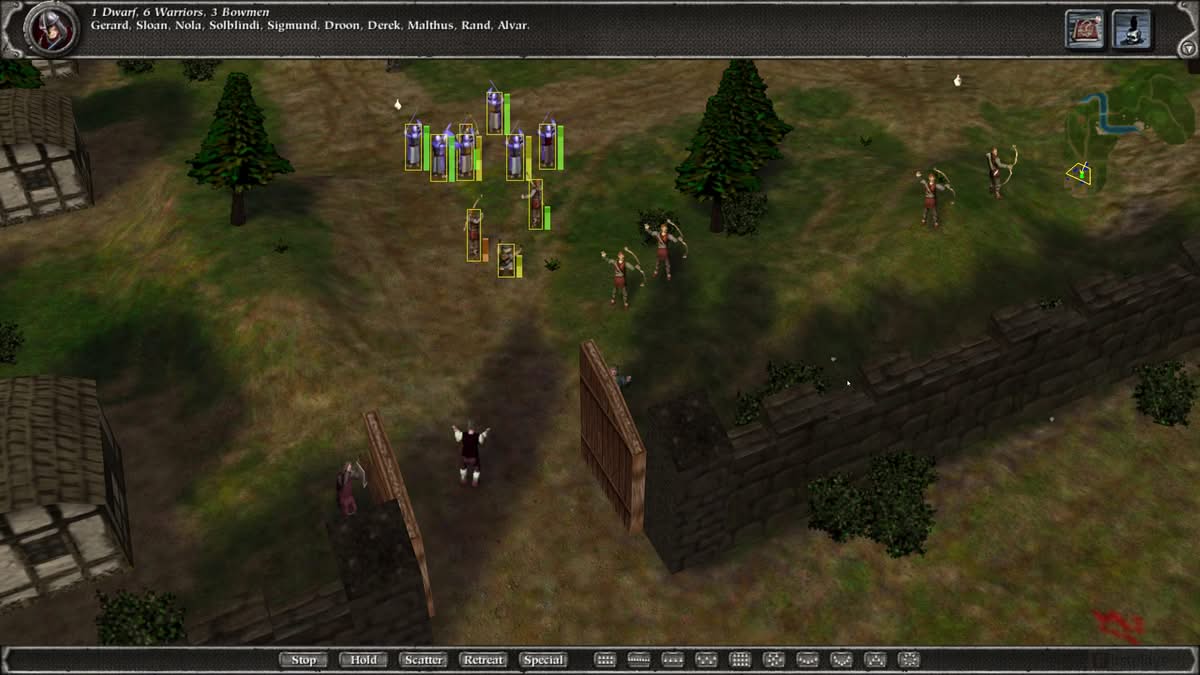
And yet, back in the day, Myth held a massive place in the industry. The title made the headlines of specialized magazines, fueled debates at school, and filled the shelves of our local video game stores. The franchise managed to establish an identity just as strong as an Age of Empires or a StarCraft, simply by choosing a radically opposite path.
The Legacy of a Series That Refused to Play it Safe
This series represents a bygone era, a radical and demanding approach to video games that left a lasting mark on an entire generation of PC gamers. A highly unique style whose boldness still resonates loudly today in the minds of those who survived the armies of Balor. And somehow, knowing that the exact same studio would later gift Halo to the entire world makes the story even more beautiful.
And you, were you part of the crew trading CDs in the schoolyard ? Do you have memories of your first hours playing Myth ? Tell us everything in the comments section, right below.
💡 Join the community !
Want to discuss games, find friends to play with, or share your memories of 90s PC gaming ? Join us on the Little Big Campus Discord 👾