The Roman Empire at Our Fingertips : When Caesar III Ruled Our Gaming Nights
For the ninth chapter of our ultimate RTS and LAN party retro guide (1995-2000), we step off space battlefields for a moment to put on the toga. The arrival of Windows 98 marked a visual turning point for many of us : moving beyond dark MS-DOS environments into what felt like pure high definition. Everything suddenly looked detailed and deeply immersive as Sierra hit its peak creative stride. By day, sitting in middle school history class, our teachers described the monumental engineering of ancient Rome. By night, pure magic took over : booting up the bulky home PC, we laid out those aqueducts and paved roads ourselves. Having an interactive, playable history lesson right under our fingertips felt truly incredible.
The First Love in a Legendary Line of City Builders
Tents, Insulae, and Lazy Patricians
Caesar III was my very first true City Builder. It plunged me headfirst into a lifelong obsession with management strategy, opening the floodgates to thousands of hours spent on Pharaoh, Cleopatra : Queen of the Nile, the legendary Master of Olympus : Zeus, and later Emperor : Rise of the Middle Kingdom. Game designers in the late 90s were pushing technical boundaries at a breakneck pace, unleashing incredible creativity and depth.
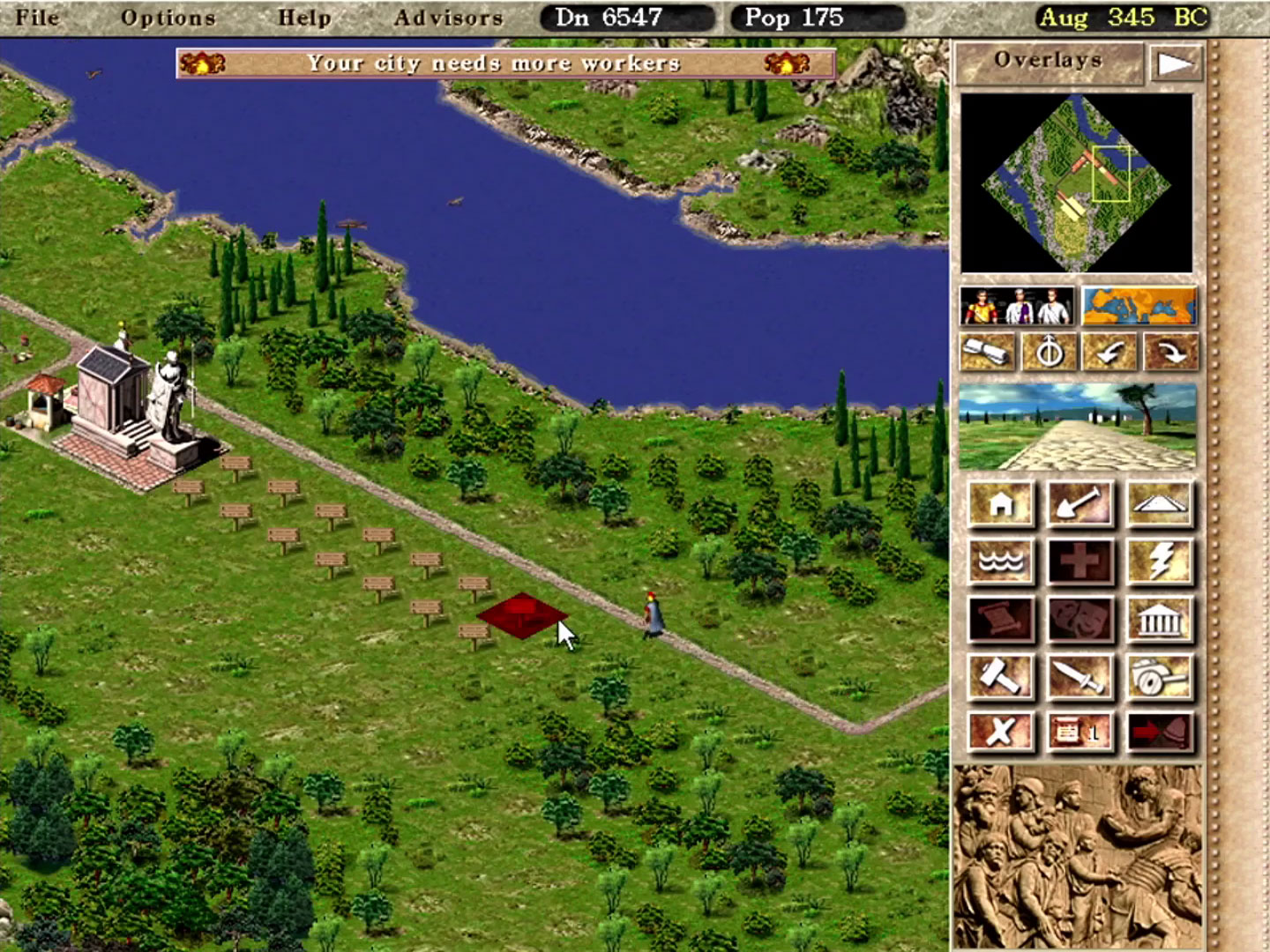
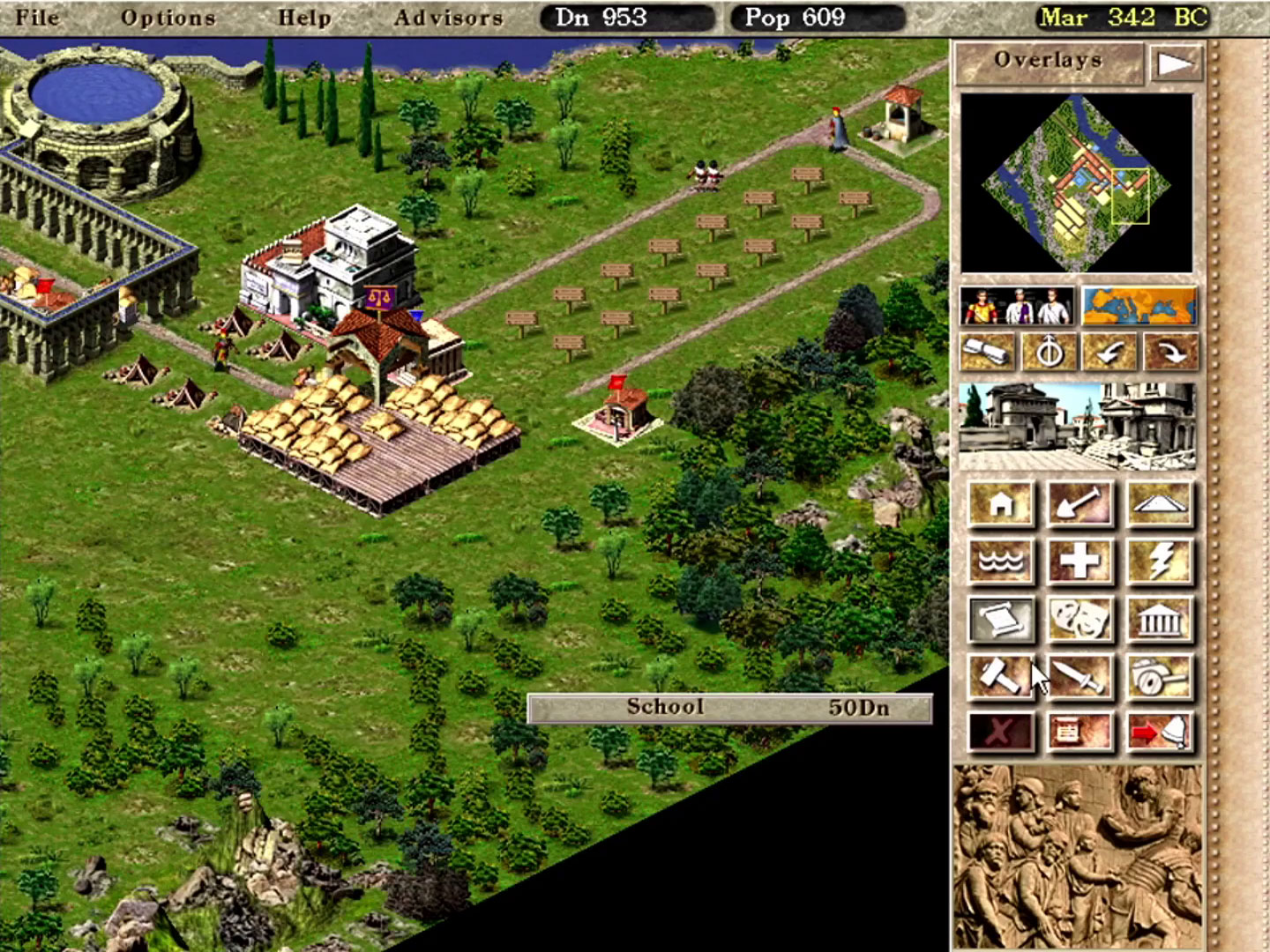
The beating heart of the game lay in its immensely satisfying housing evolution mechanics. You laid down empty plots along the imperial road, and fresh immigrants arrived to pitch flimsy tents in miserable living conditions. Your job was to supply them with clean water, food, protection, and public baths. Step by step, right before your eyes, those humble hovels blossomed into charming insulae, eventually ascending into grand estates housing wealthy patricians. These aristocrats spent their days doing absolutely zero manual work, yet they poured such massive tax revenues into your city treasury that you pampered them endlessly.
💾 Back then, learning a game meant truly mastering it. You had no hand-holding tutorials or hand-guided quest markers. You read the physical manual, experimented, failed, and tried again. When your city finally thrived, the sense of accomplishment was unmatched. Caesar III was a masterclass in patience.
Production Chains and the Wrath of the Gods
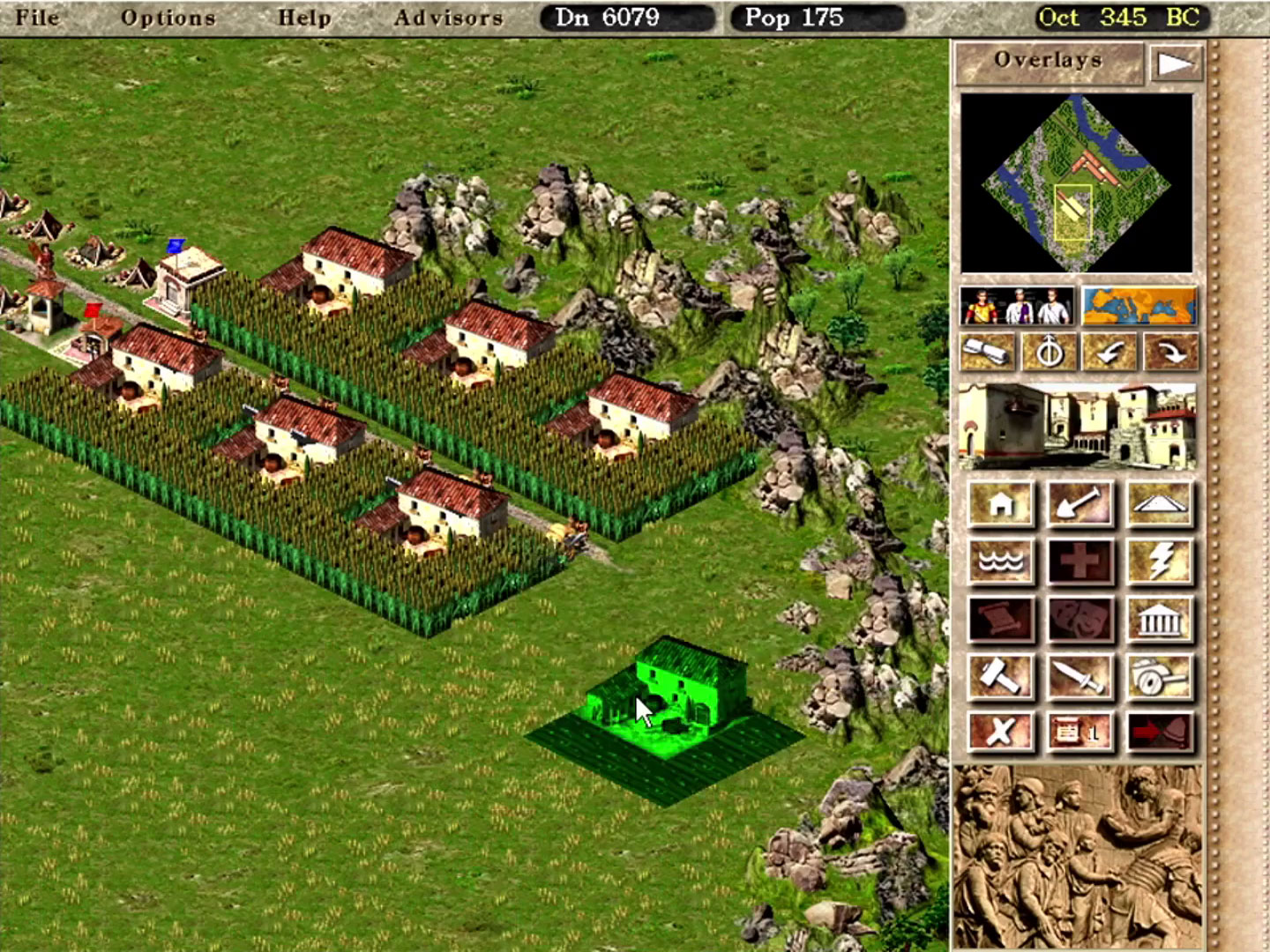
The title also pioneered complex production chains long before franchises like Anno turned them into an art form. You sent timber cutters into the surrounding forest, dispatched raw wood to artisan workshops, and produced fine furniture, a crucial luxury good required to upgrade middle-tier housing.
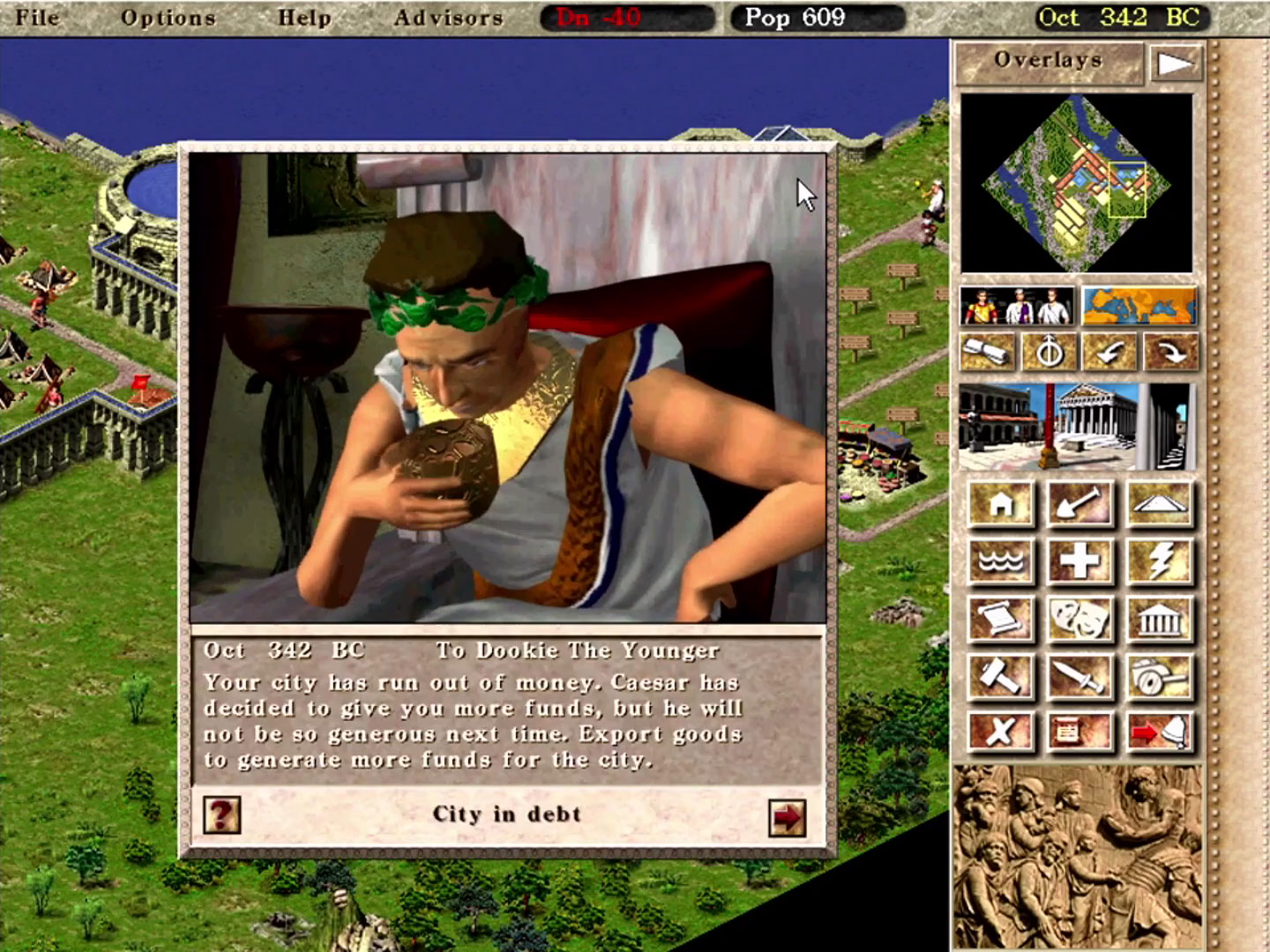
Caesar III could be ruthless and intense. Managing the temperament of five fickle Roman deities demanded constant attention, lest you trigger catastrophic divine wrath (like devastating earthquakes). On top of divine fury stood Emperor Julius Caesar himself. Running a financial deficit or missing an urgent imperial demand for weapons or wine prompted the tyrant to march his legions directly into your province to level your city.
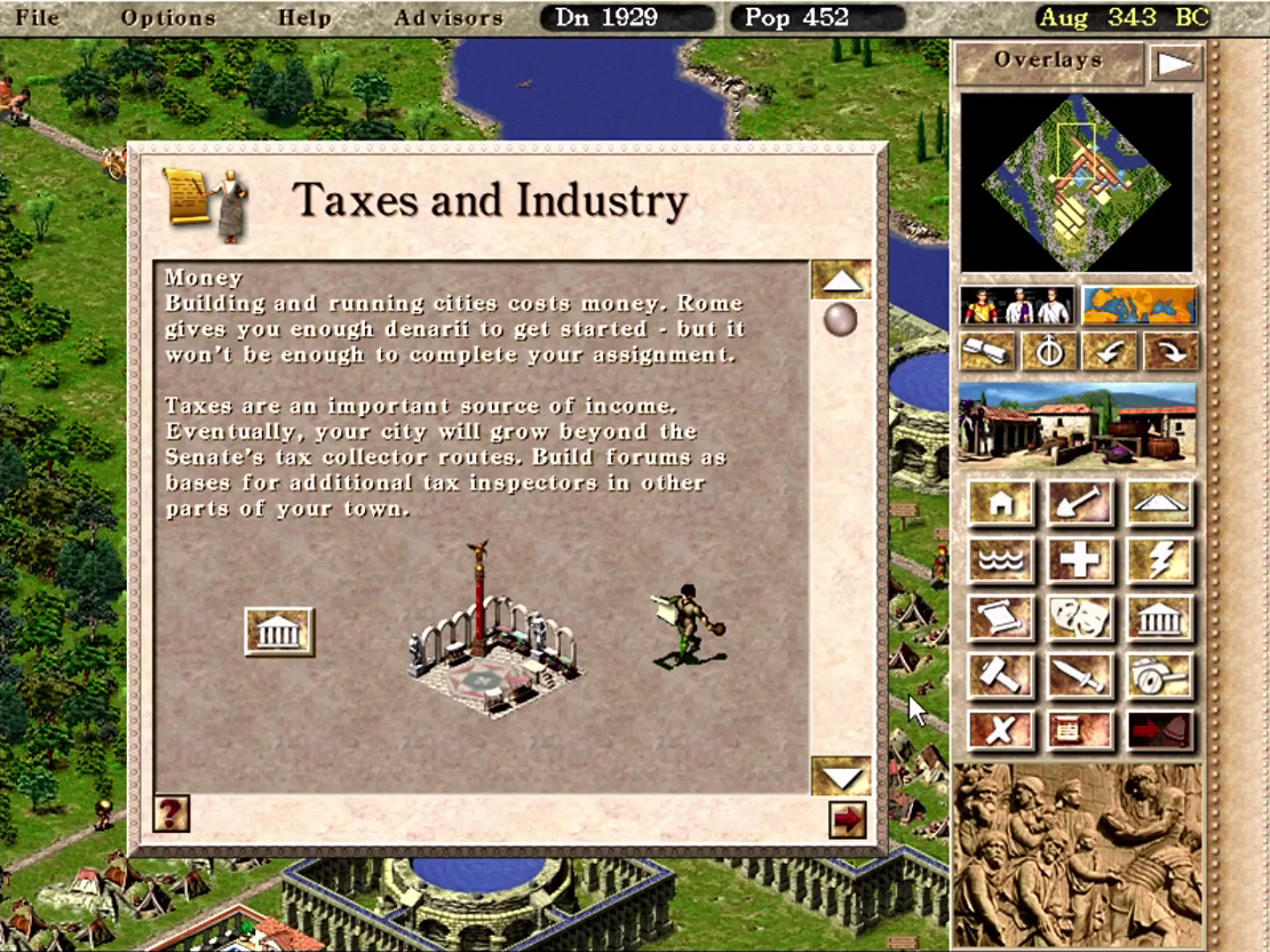
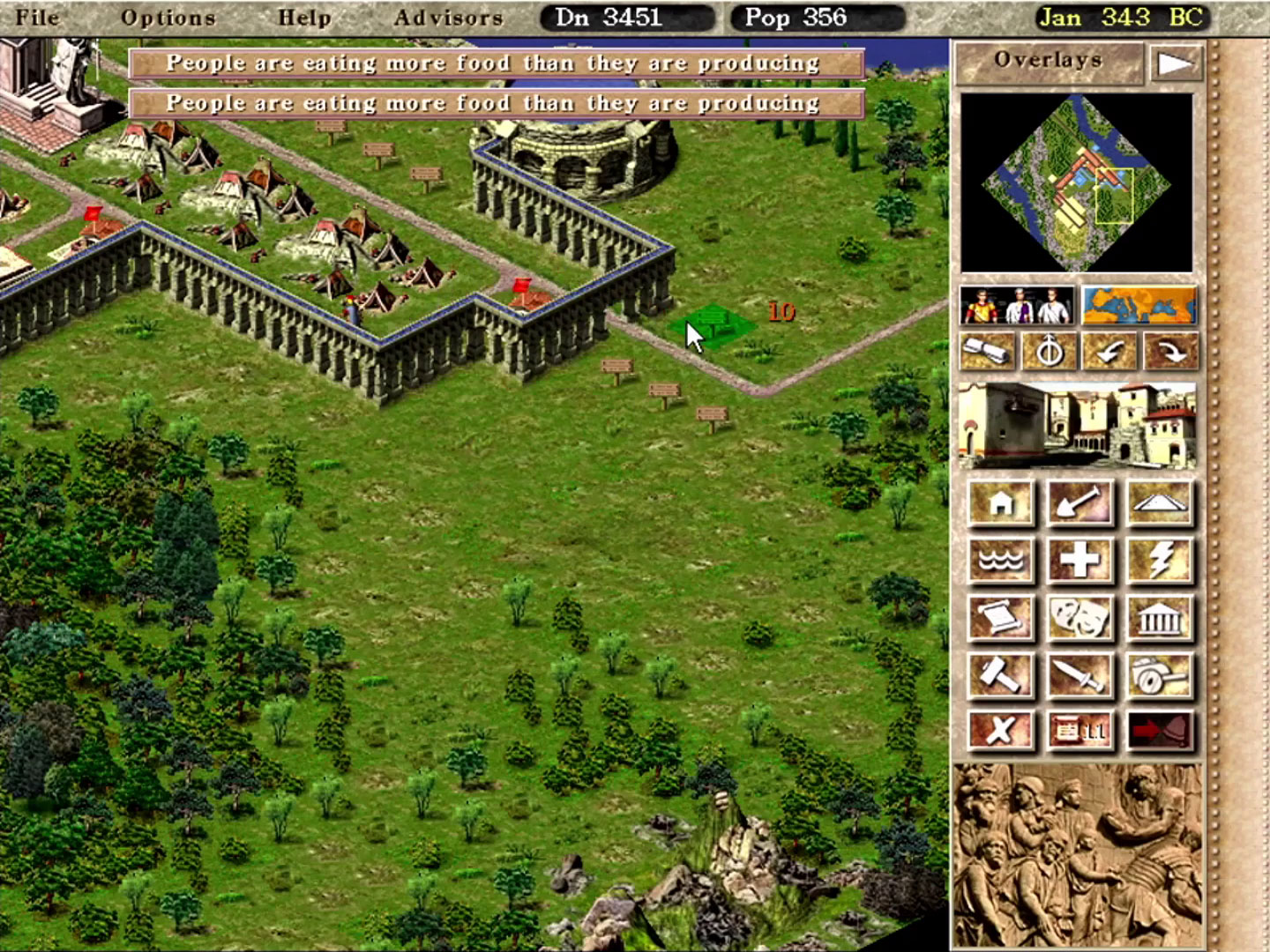
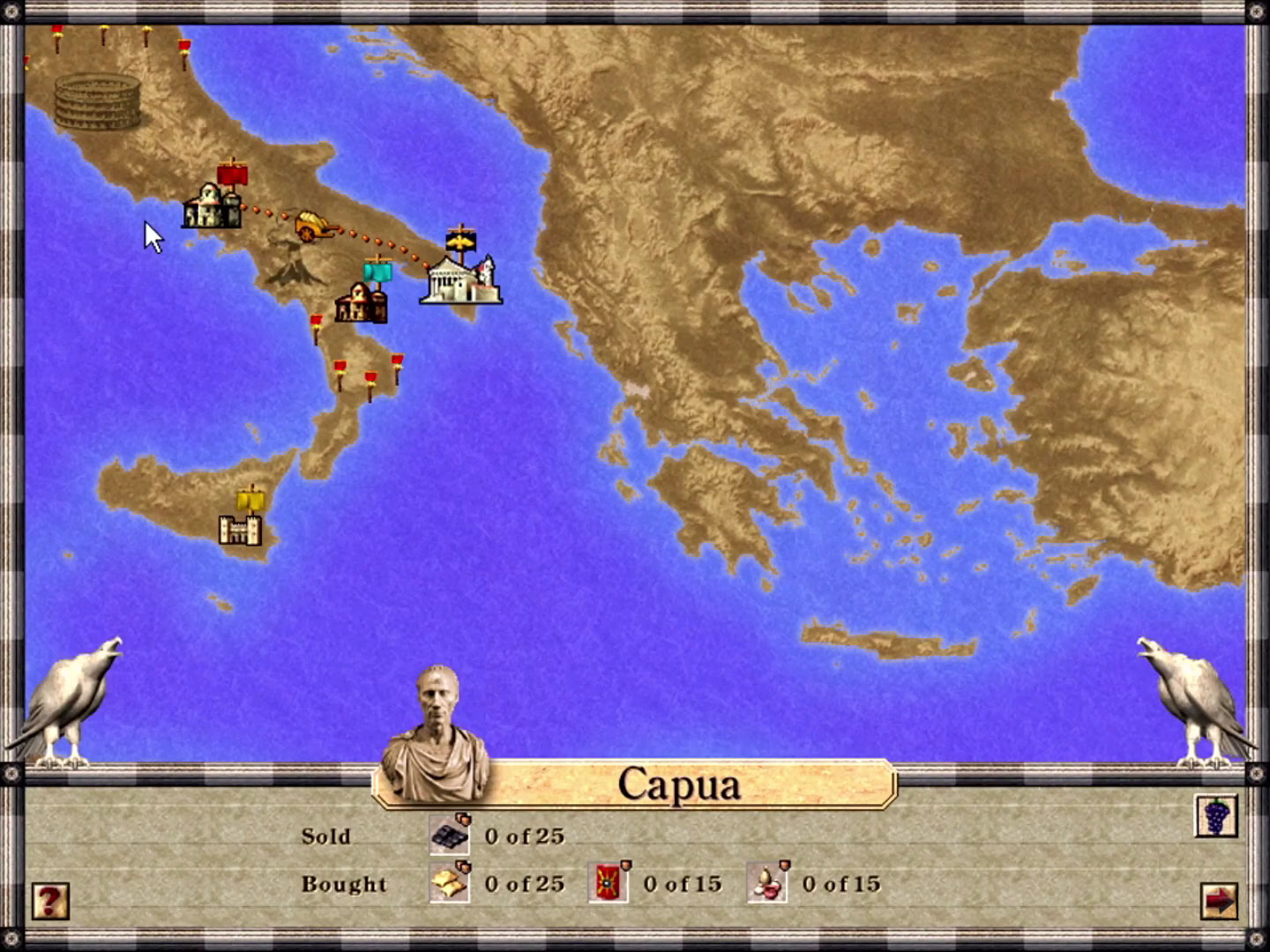
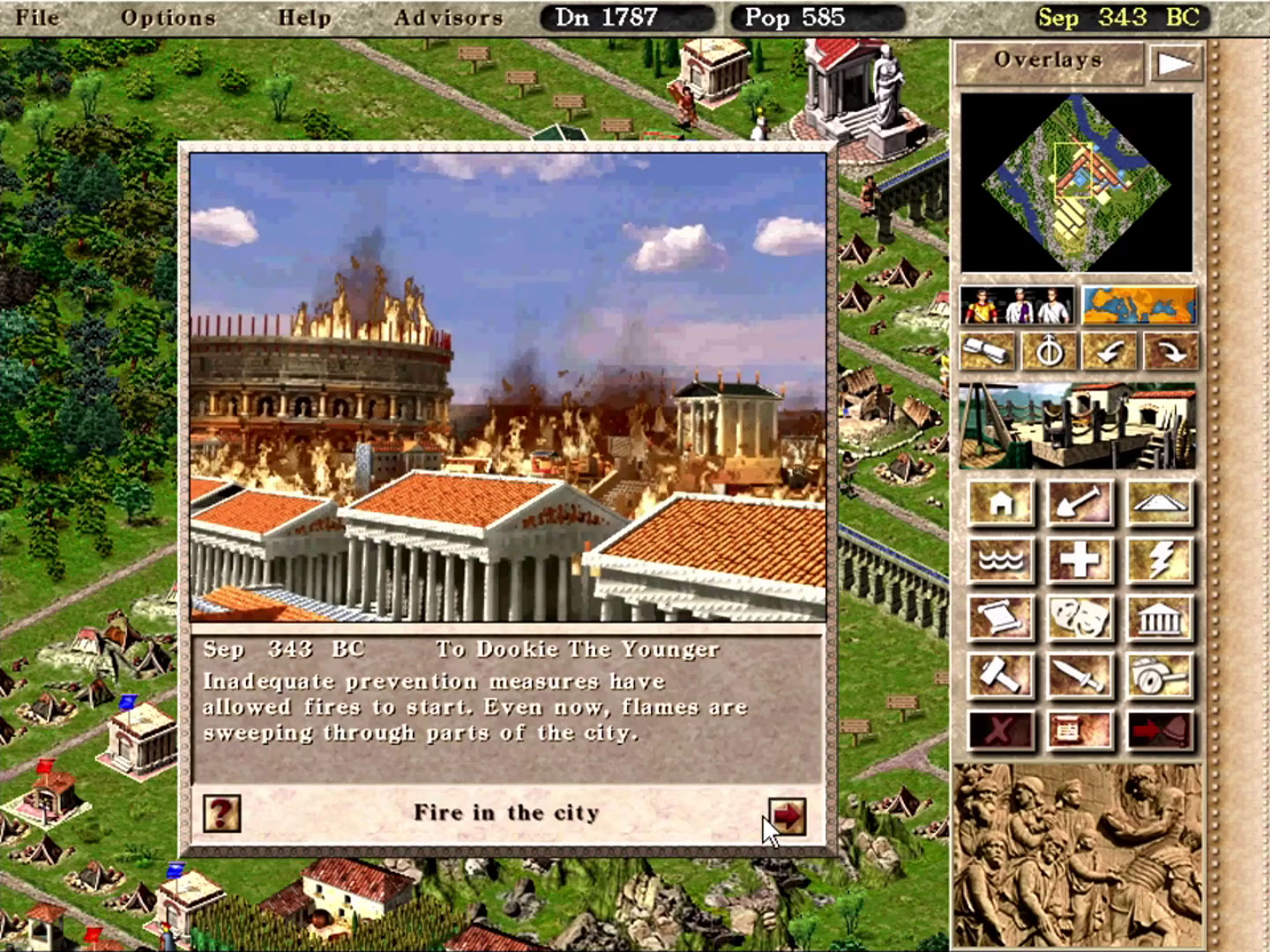
Add to that the chaotic artificial intelligence of your own municipal workers... Few things matched the agony of watching a prefect turn right at an intersection while the burning neighborhood on his left collapsed into ash.
The Backlog Paradox in the Modern Era
Looking back with gaming buddies today, we share a familiar nostalgia. We all own hundreds of digital titles across modern storefronts. Digital gaming offers an overwhelming catalog, swamping us with thousands of releases. Yet the outcome remains identical : we scroll in circles. Choice paralysis sets in as we skim through endless libraries without settling on a game, and coordinating a multiplayer session feels even harder. Someone always finds a dealbreaker.
In the late 90s, gaming options were focused and deliberate. When twenty major games released in a year, we had the time to dive into every single one, dissecting their mechanics and mastering every system. That era forged tenacious, curious gamers eager to explore everything. Today, entire genres like classic RTS, point-and-click adventures, or intricate management sims have slipped from mainstream focus. Caesar III taught us to embrace challenge and patience, qualities that feel increasingly rare in modern design.
Playing Caesar III in 2026 : Julius and Augustus to the Rescue
Julius : Absolute Fidelity to the Original Masterpiece
If you feel the urge to step back into the Empire, an important technical detail requires clarification. Caesar III often surfaces on free abandonware sites. However, the game is not public domain : official commercial releases remain actively sold. Modern community projects like Julius and Augustus strictly require the original game assets (graphics and audio files) from an official installation to run. Neither project includes base game files.
The Julius project (available on GitHub) targets purists. Its goal is to deliver the exact 1998 Caesar III experience, preserving original gameplay mechanics, difficulty, and vintage quirks while running seamlessly on modern PCs. Julius delivers essential high-resolution support, widescreen display, clean windowed modes, and high-quality MP3 audio playback. Preservation is so precise that your original save files from 1998 remain 100% compatible.
Augustus : The Expanded Caesar III Vision
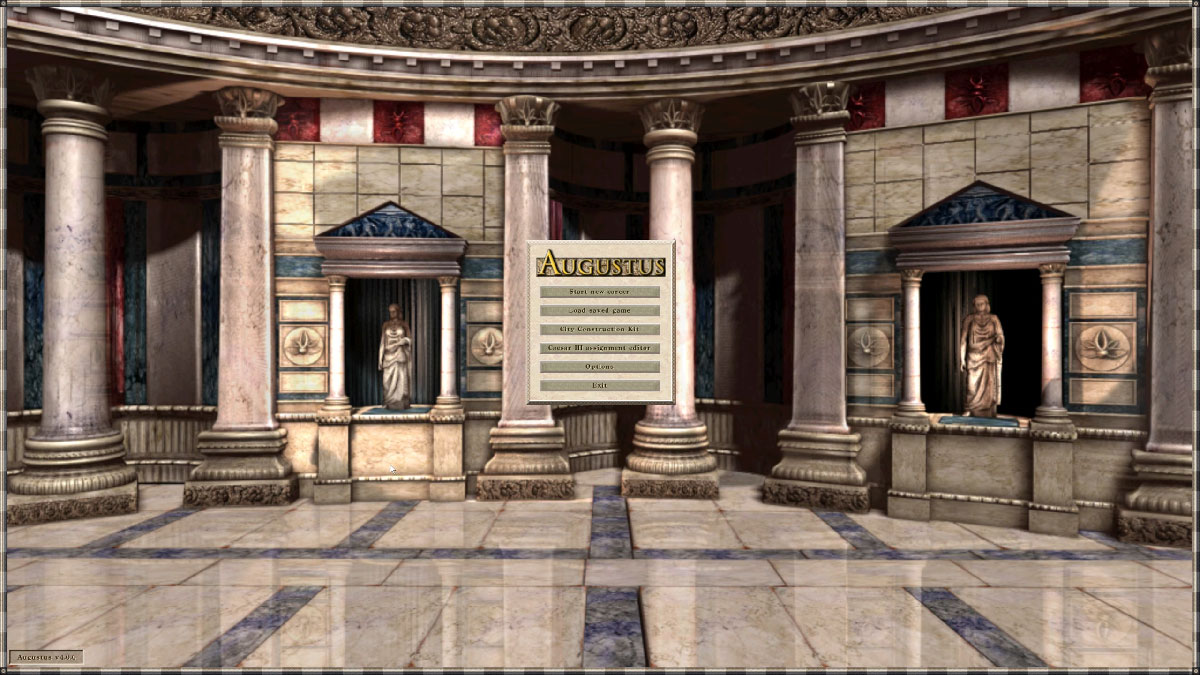
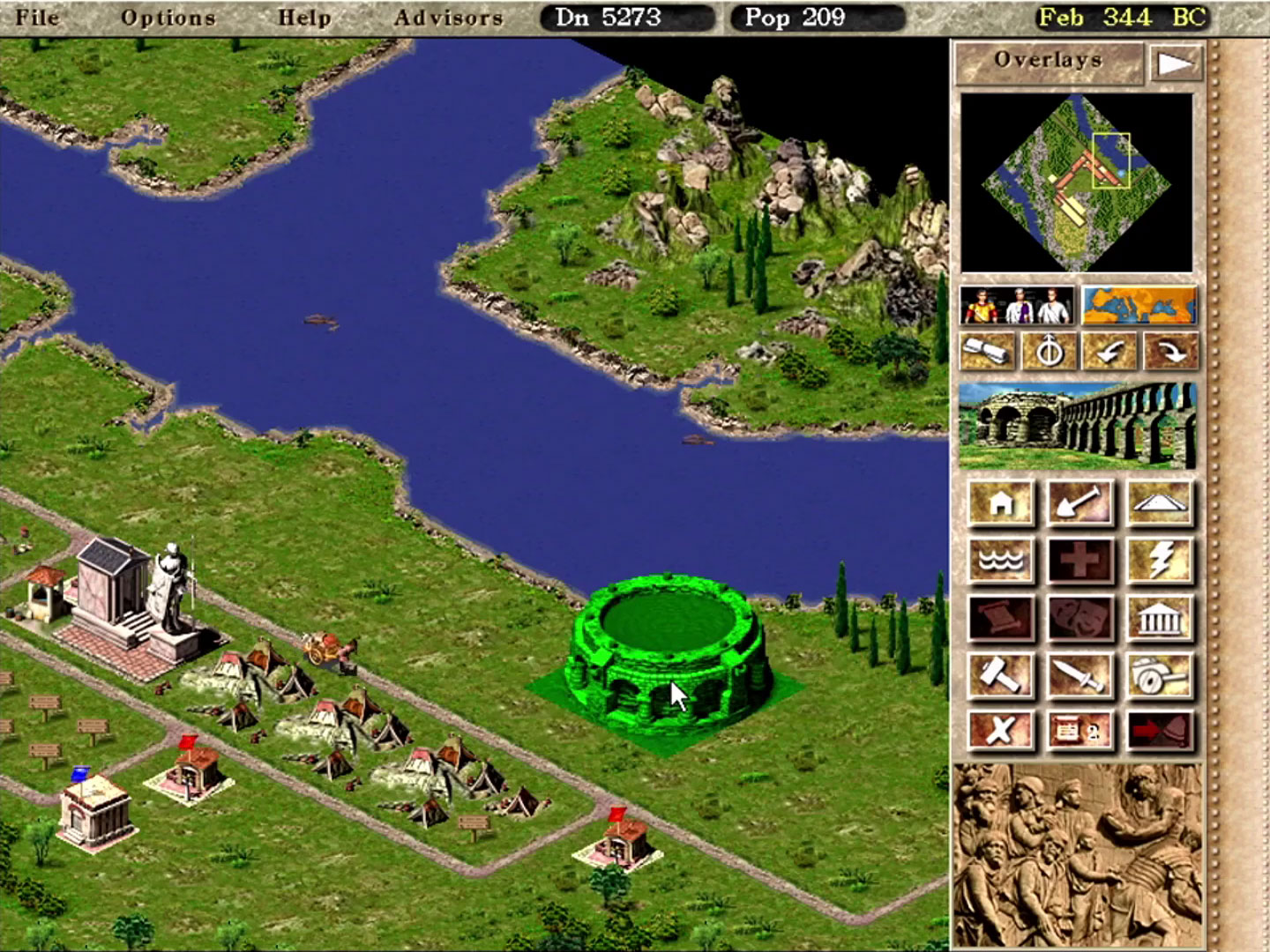
Then comes the Augustus project (also on GitHub). Augustus is a feature-rich fork of Julius : building on Julius's rock-solid modern engine while introducing a sweeping gameplay overhaul fans longed for two decades ago. Here you finally gain roadblocks to control wander paths for oblivious market traders ! Augustus adds a global labor pool (eliminating the need to pack worker housing directly next to smelly industries), granular warehouse controls, zoom functionality, new building types, and monumental construction like the Colosseum. Modernization runs deep, making Augustus saves exclusive (it imports vanilla save files smoothly, but vanilla cannot read Augustus saves).
🕹️ Good to know : Augustus seamlessly imports save files from vanilla Caesar III and Julius. However, saves generated inside Augustus are incompatible with the other versions. Once you transition to Augustus, you stay in Augustus. Considering the incredible feature set, that transition feels completely natural.
Where to Buy Caesar III : Steam, GOG, and the Abandonware Question
In an era dominated by digital licensing, true game ownership remains vital. On GOG, the title sells for a budget price with zero DRM, allowing you to store offline installers on personal drives forever. GOG inducted Caesar III into its Preservation Program : human-tested Windows 10 and 11 compatibility, fixed audio issues, and restored windowed mode execution. It provides the perfect baseline for running Julius or Augustus.
| Platform | Price | DRM | Windows 11 | Offline Installer |
|---|---|---|---|---|
| GOG.com | $5.99 | DRM-Free ✅ | Verified ✅ | Yes ✅ |
| Steam | $5.99 | Steamworks | Yes ✅ | No ❌ |
| Abandonware | Free | N/A | Varies | Not Recommended ⚠️ |
⚠️ A word on abandonware : Caesar III is not public domain software. Distributing or downloading it without purchase remains illegal. Crucially, without official game files, Julius and Augustus will fail to launch. At $5.99 on GOG, supporting the creators and securing clean files is effortless.

Rome Wasn't Built in a Day, But It Was Worth the Wait
Whether taking your very first steps into the Empire or satisfying a sudden burst of gaming nostalgia, booting up Caesar III today remains a deeply rewarding journey. Close your eyes, listen to that sweeping orchestral score rise as barbarian raids strike your outer walls, and prove yourself worthy of the Emperor's seal. Our next stop in the classic RTS and strategy retrospectives arrives soon with another titan from PC strategy's golden era : until then, explore every chapter in the series on our dedicated RTS hub page.
FAQ : Your Questions About Caesar III in 2026
Does Caesar III work on Windows 11 ?
Yes. The GOG version was updated under the Preservation Program, featuring human-verified Windows 10 and 11 compatibility, fixed audio bugs, and stable windowed mode support. The Steam version runs as well, though GOG files offer the most reliable foundation for Julius and Augustus.
Do you need to buy Caesar III to run Julius or Augustus ?
Yes, purchasing the base game is mandatory. Julius and Augustus serve as open-source source ports rather than standalone games. They depend on official graphic and audio assets. Without legitimate Caesar III game files, both engines refuse to start. The DRM-free GOG release works best for offline archiving.
What is the difference between Julius and Augustus ?
Julius focuses on 100% accuracy to the 1998 original, preserving classic balance while adding modern screen resolution and widescreen features. Augustus acts as an expanded fork, integrating deep quality-of-life upgrades like roadblocks, global labor pools, extra buildings, and monument projects like the Colosseum. For pure original nostalgia, choose Julius. For the ultimate modern playthrough, select Augustus.
Is Caesar III still worth playing in 2026 ?
Absolutely. Resource management and housing evolution mechanics hold up remarkably well. The gameplay offers challenge and deep satisfaction. Enhanced by Augustus, the experience feels sleek and modern. At under $6, it stands out as one of the best retro strategy values available.
Is Caesar III available in multiple languages ?
Current digital store releases on GOG and Steam feature full English text and audio. Julius and Augustus include community localization options accessible through engine settings or fan patches.
How did you play back in the day ? Did you build your empire honestly, or did you spam cheat codes to keep the treasury overflowing ? Share your memories in the comments below !
💡 Join the community !
Want to talk retro strategy games, find players for classic multiplayer sessions, or show off your greatest imperial cities ? Come hang out on the Little Big Campus Discord 👾