Homeworld (1999) : When Relic Entertainment Reinvented Everything
In 1999, we honestly thought we had seen it all when it came to PC real-time strategy. We were quietly building our barracks on perfectly flat terrain, sending our troops to impale themselves on the enemy walls, and we were happy. And then, a young Canadian studio out of nowhere, Relic Entertainment, decided to throw absolutely all our habits out the window to toss us into the spatial void. The real one. The one where there is no up or down. Relic had only existed since 1997, founded in Vancouver by Alex Garden and Luke Moloney with a handful of employees and a tight budget. Homeworld was their first game. And their first game ended up as the best PC title of the year on Metacritic. We talk about it in this new chapter of our massive feature on RTS games and LAN parties (1995-2000). Get ready for the hyperspace jump.
A Puzzle on the Z-Axis : Full 3D Lands in RTS
The True Shock of the First Launch
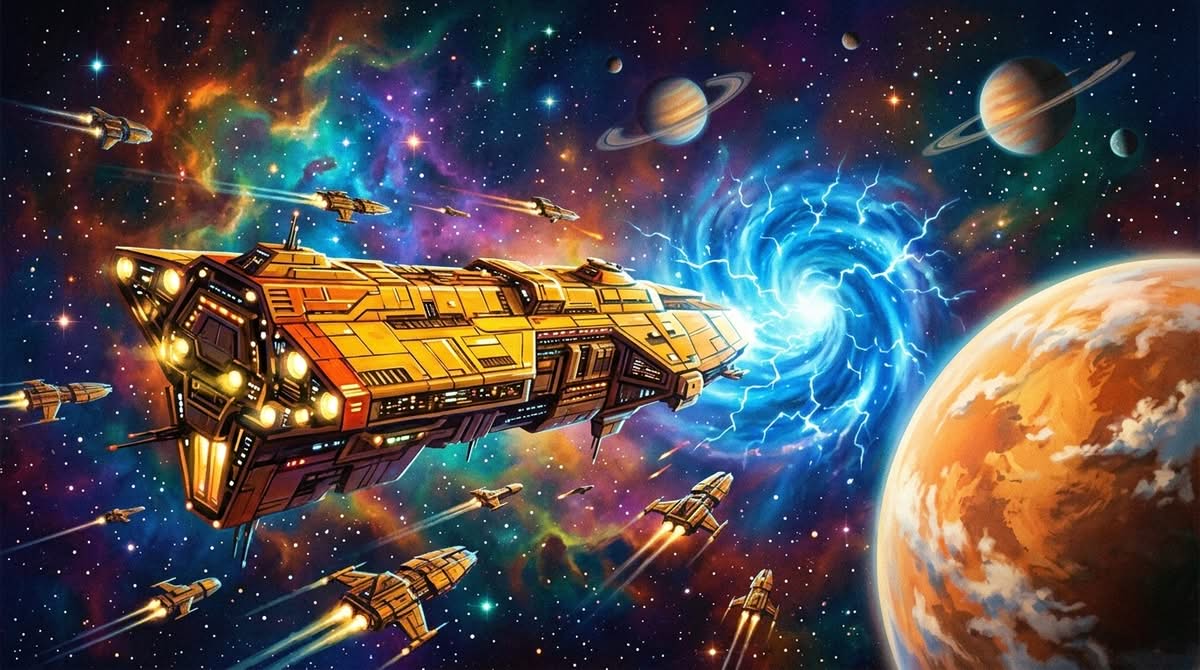
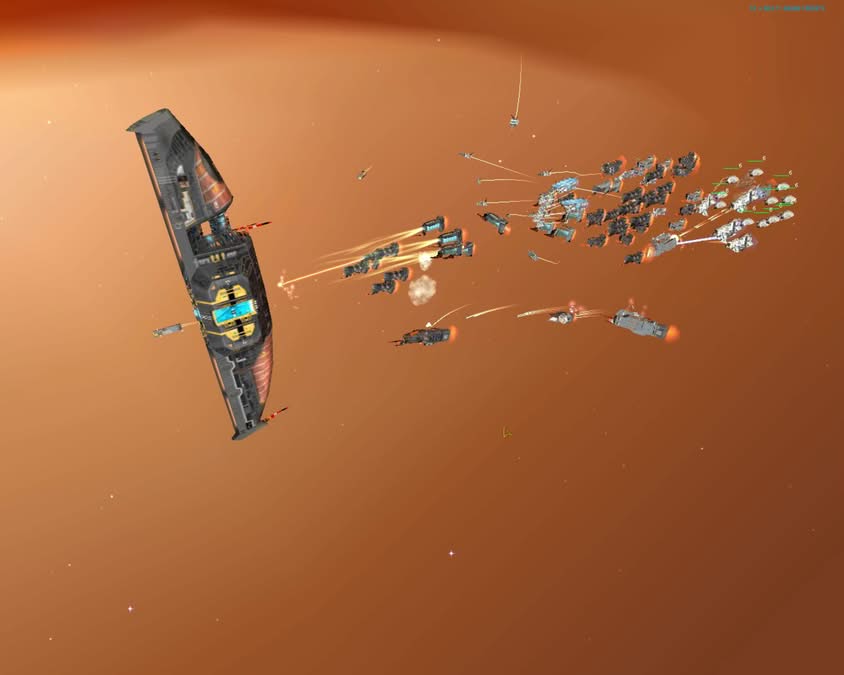
The arrival of full 3D in an RTS was a true shock to the system the first time you put your hands on the keyboard. Goodbye solid ground, goodbye top-down map with its perfectly obedient little units. In Homeworld, you suddenly had to conceive your attack tactics on the Z-axis. The memories of those first games desperately looking for your interceptor squadrons with the mouse, before realizing they were orbiting 500 kilometers below the camera, remain engraved. It's confusing, then fascinating, then completely addictive.
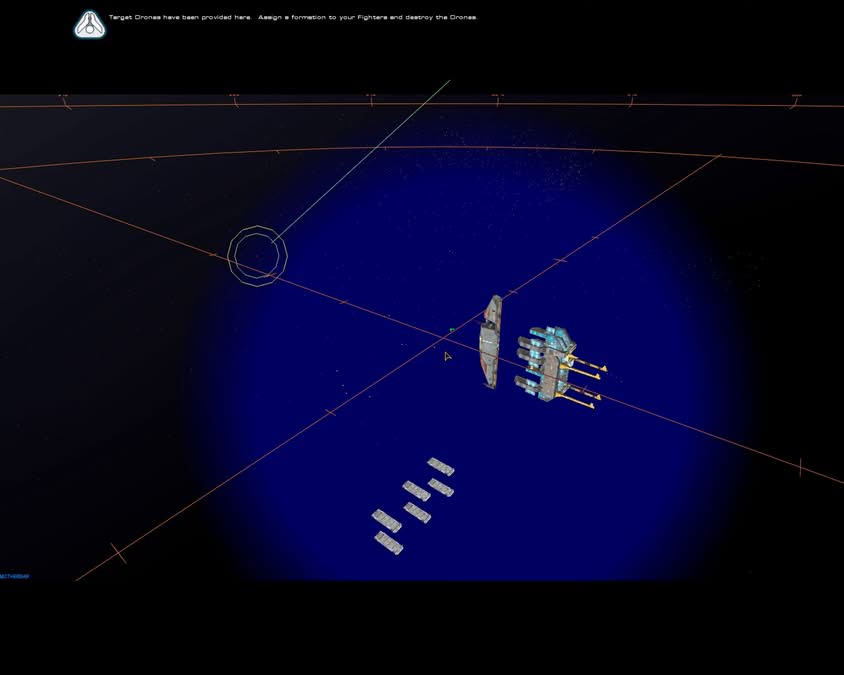
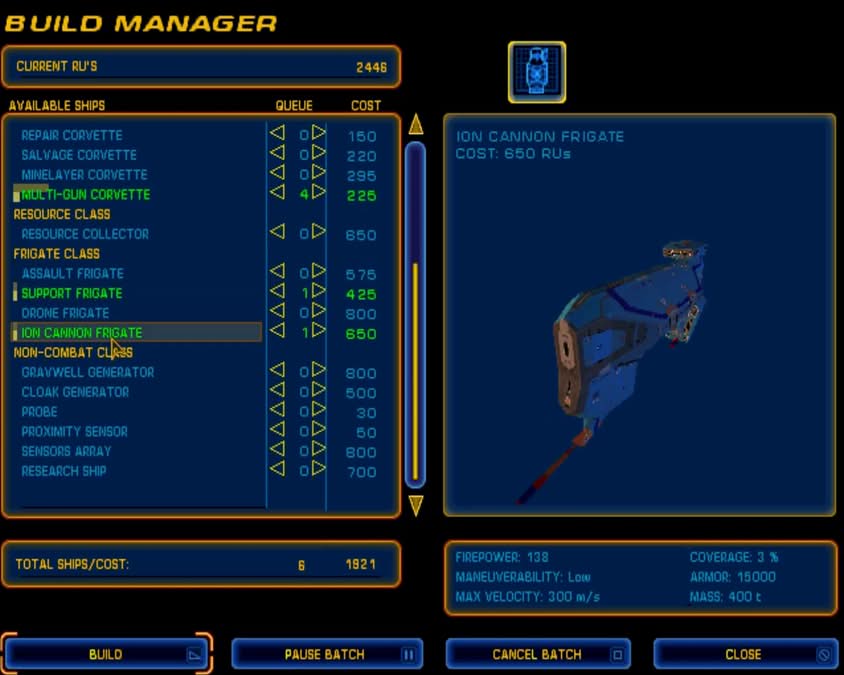
The game forced you to master the Sensors Manager, that zoomed-out tactical map that gave you an overview of the space around you. Once that thing got into your skull, Homeworld took on a mind-blowing dimension. You ordered your bombers to dive on enemy destroyers from the stars, you hid your ion frigates behind clouds of cosmic dust to set up filthy ambushes. The feeling of gigantism was absolute. You truly felt like you were at the head of an armada, floating in the middle of the immensity.
💾 Who remembers the first time we accidentally sent our entire fighter fleet to "attack" an asteroid because we clicked in the wrong place on the tactical map ? The kind of blunder you only made once. Losing twenty interceptors to learn how to read a 3D map, that leaves a mark.
Mission 3 and the Adagio for Strings : The Trauma That Changed Everything
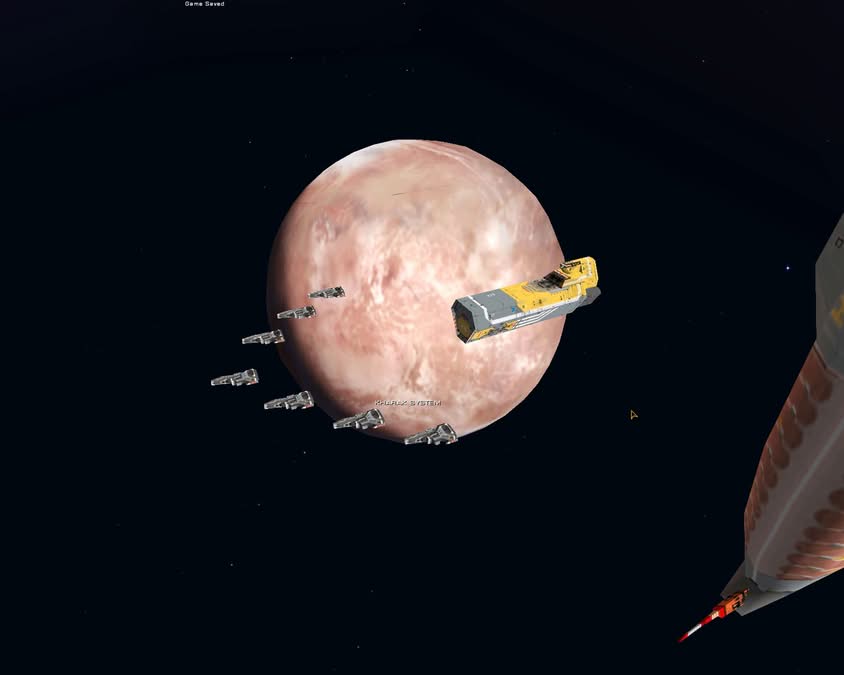
Kharak is Burning
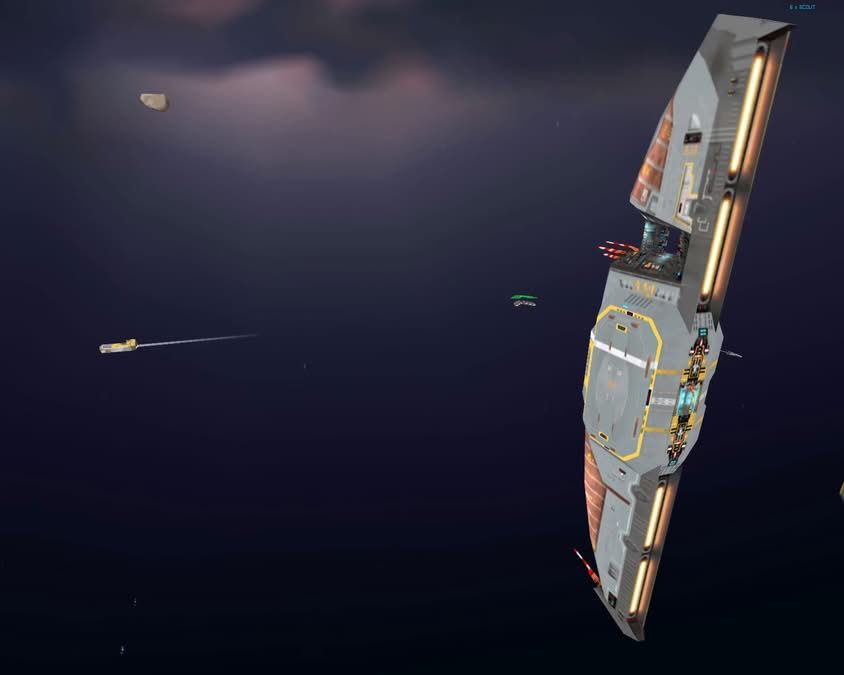
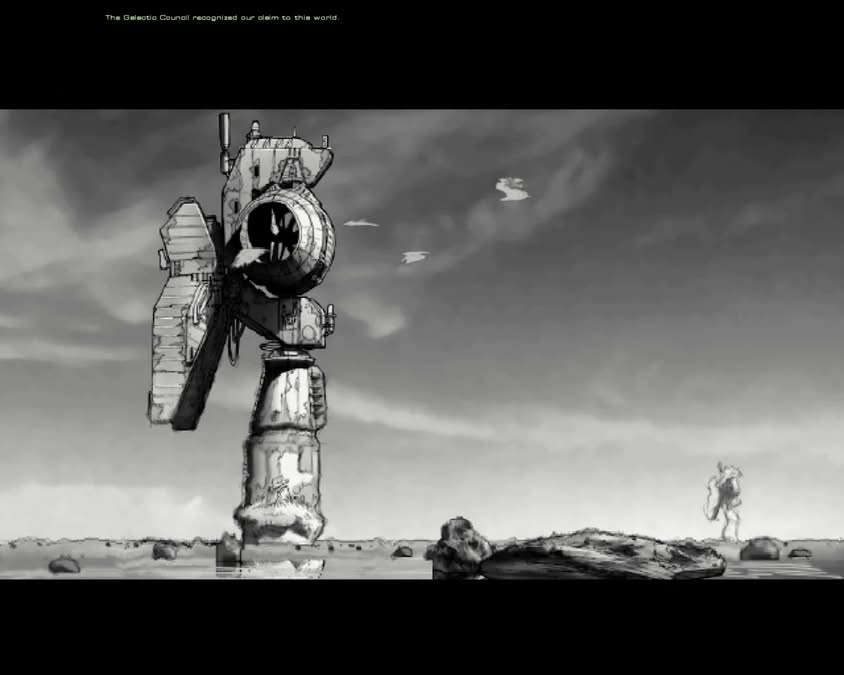
The visual prowess of Homeworld was undeniable. But what really glued you to the screen was the fiercely heavy atmosphere that oozed from every mission. The story is of a rare melancholy for a strategy game. The Kushan people, exiled on a desert planet named Kharak for millennia, discover an artifact proving that their origins lie elsewhere in the galaxy. They sacrifice all their resources to build a gigantic Mothership, a sort of spatial Noah's Ark, and begin a desperate pilgrimage to Hiigara, their true home.
And then comes that damn mission 3. You return from a simple hyperspace engine test to find Kharak completely glassed by the Taiidan empire. Billions dead. Just thinking about it brings the chills back. This is where the sound environment comes to finish off what's left of your composure. Composer Paul Ruskay had integrated at this precise moment the "Agnus Dei", the choral version of Samuel Barber's Adagio for Strings, an idea from director Alex Garden who had heard it on the radio. Hearing those choirs resonate while you desperately try to recover the last cryogenic trays of your race... it was a gamer's trauma. And it still is.
"Kharak is burning." These three words, spoken by the game's voiceover, marked an entire generation of PC gamers. Some video game moments are never forgotten.
A Soundtrack That Set the Standard for 25 Years
The rest of Paul Ruskay's original soundtrack is an absolute masterclass. By crossing freezing ambient electronic pads with tribal percussion and Middle Eastern-influenced choirs, Ruskay gave a visceral sonic identity to this exiled desert people. This musical cocktail fit the immensity and loneliness of space with such perfection that the formula became a benchmark. Even today, the overwhelming majority of space productions draw direct inspiration from this sonic DNA to take their players on their odysseys. And if you love strategy that unfolds in the stars, our complete feature on StarCraft (1998) explores another masterful way of telling a space war.
Gameplay Mechanics That Rewarded the Sneakiest Players
Your Fleet Persists From One Mission to the Next
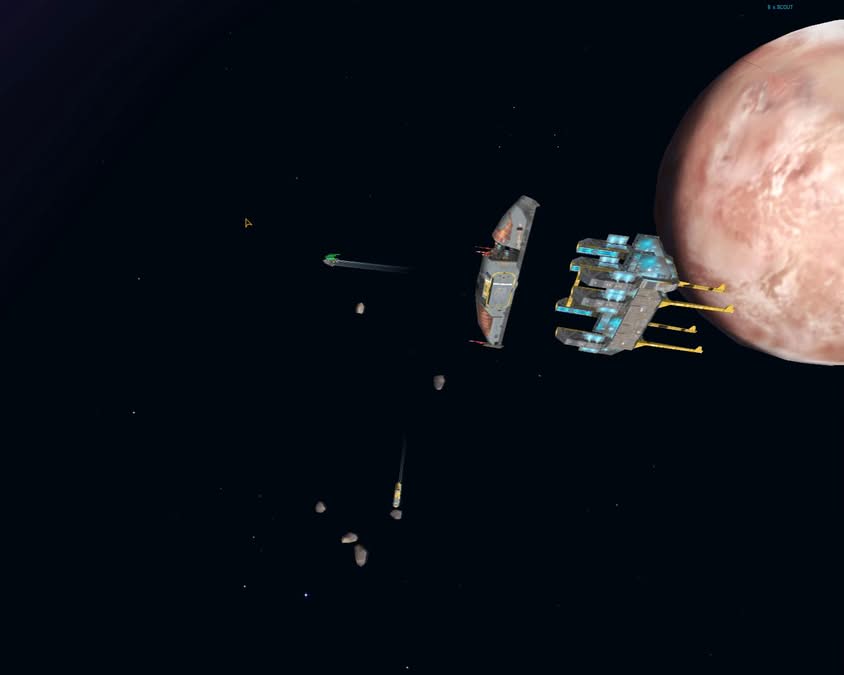
Homeworld gave you no free passes : the fleet you finished a level with was exactly the one you started the next level with. Every lost destroyer tore a tear from your eye, and a lot of resources. This persistent fleet mechanic radically transformed your tactical approach. We were no longer playing "all out" to win fast : we played to lose as little as possible, preserving units from one mission to the next. Every heavy cruiser became precious. Every support frigate you let get dismantled was a mistake you would pay dearly for later.
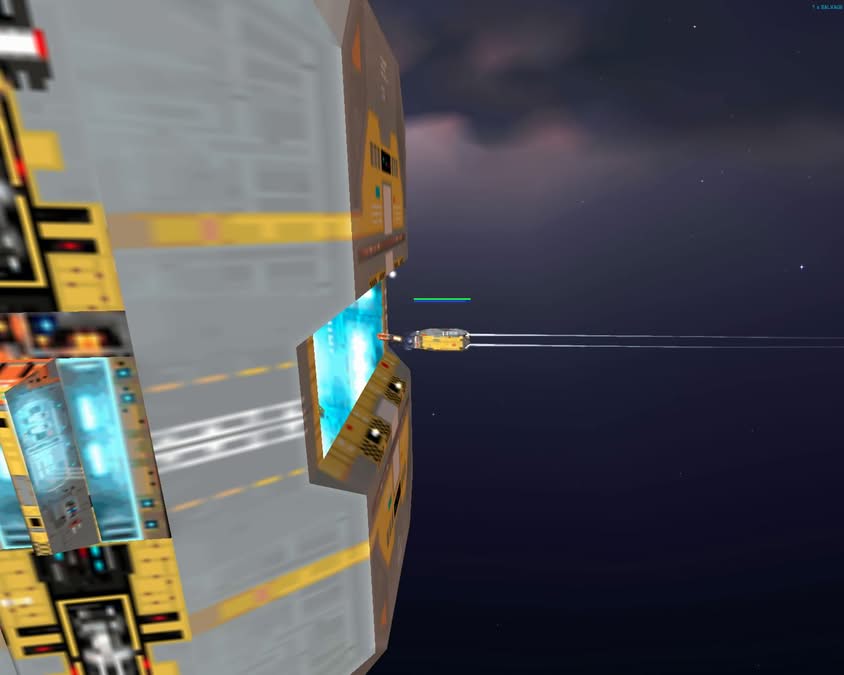
As a result, we all developed this highly sneaky technique of using our salvage corvettes to hijack enemy ships and repaint them in our colors. Machiavellian and totally indispensable to survive in the advanced missions. Stealing the enemy heavy cruiser rather than destroying it : the kind of reflex the game taught you the hard way, and which we were terribly proud of once mastered. If you are more the type to prefer good old terrestrial strategy, note that we have a complete feature on Age of Empires (1997) waiting for you.
🕹️ Did you know ? Homeworld was released on September 28, 1999, developed by Relic Entertainment (Vancouver, Canada) and published by Sierra Studios. It was the studio's very first game. It sold over 500,000 copies in its first six months, and ended up as the highest-rated PC game of 1999 on Metacritic. Not bad for a first try.
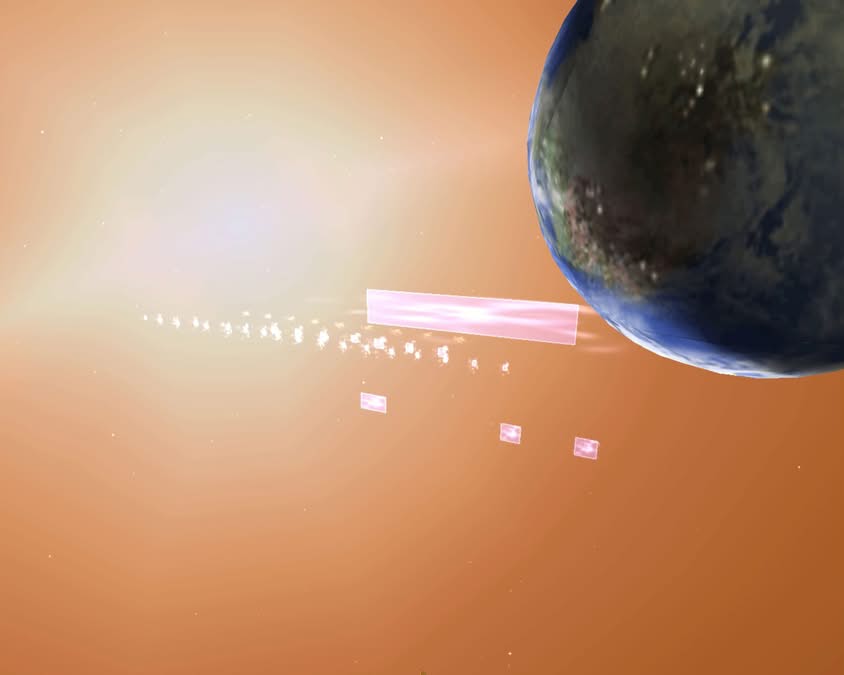
Space Battles : From Sublime to Total Chaos
When Things Exploded in Every Direction
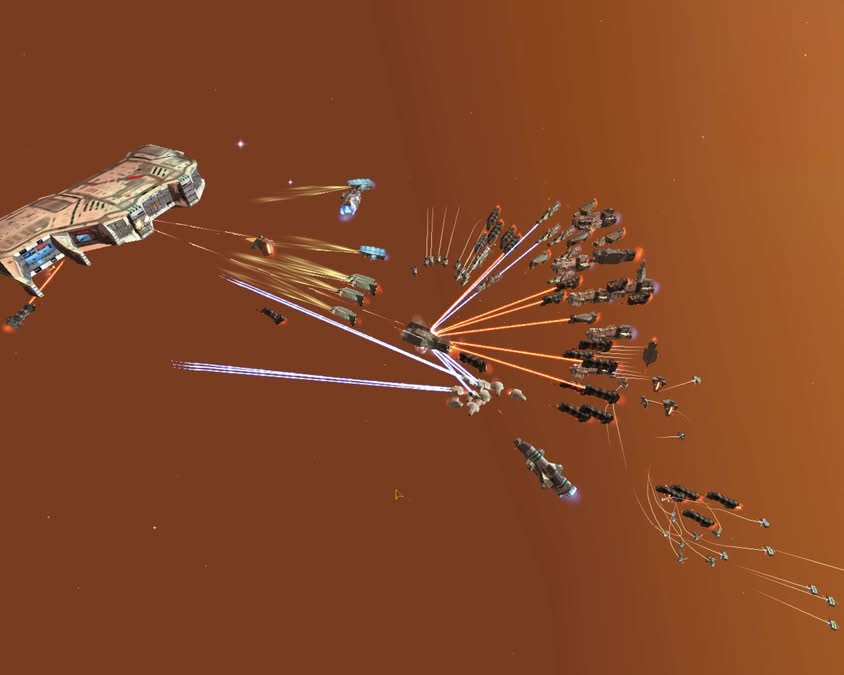
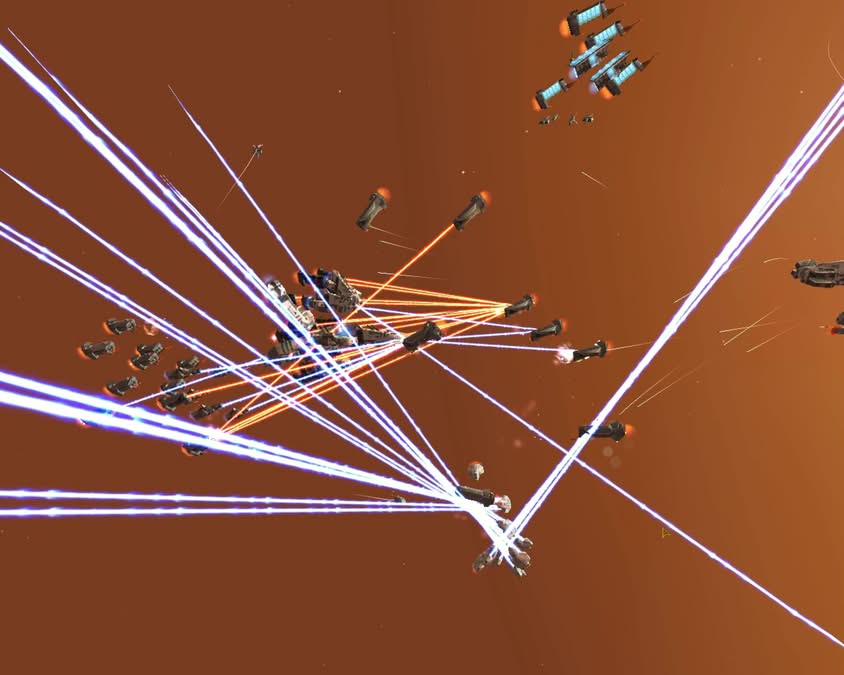
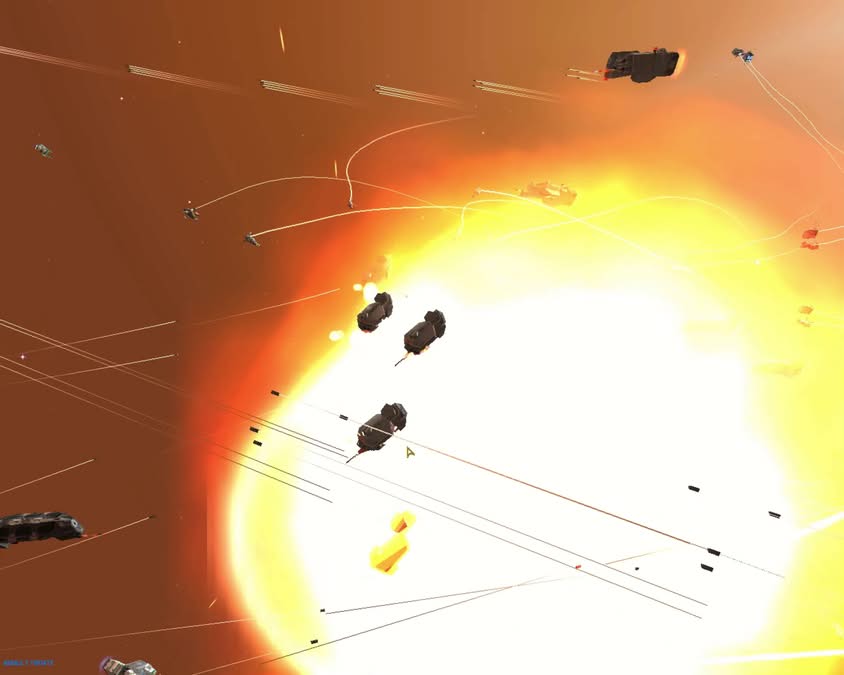
The battles of Homeworld had this peculiarity of starting cleanly, in good order, with carefully crafted formations and tactical plans... only to turn very quickly into a glorious interstellar mess. Dozens of ships flying everywhere, tracers shooting in eight directions at once, chain explosions that made reading the situation almost impossible. And yet, even in the chaos, there was a raw beauty to these clashes. The lighting effects on the metal hulls, the plasma plumes, the debris that kept floating long after the battle.
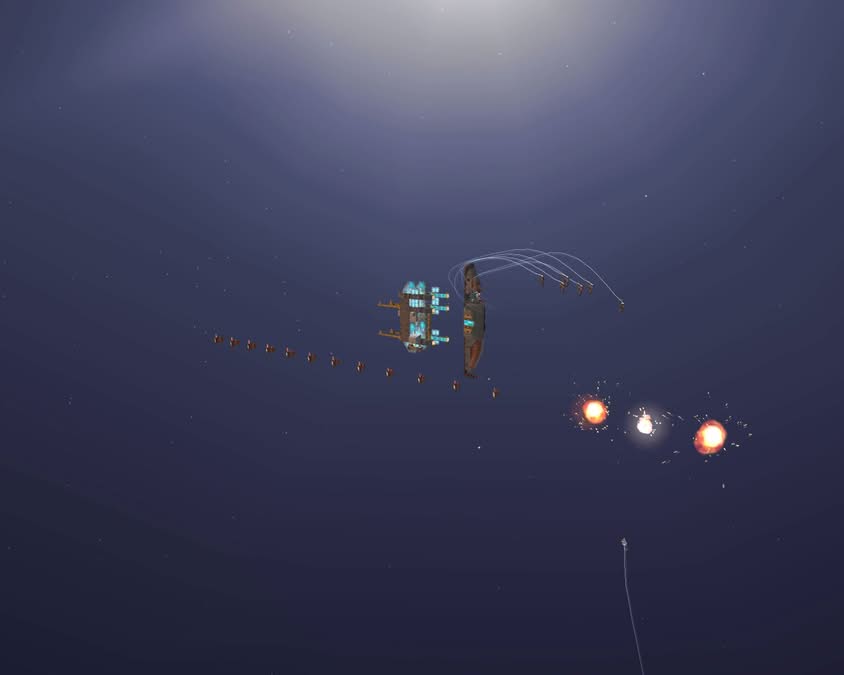
Customization : The Colors of Your Fleet, Your Identity
More Than a Game, An Armada of Your Own
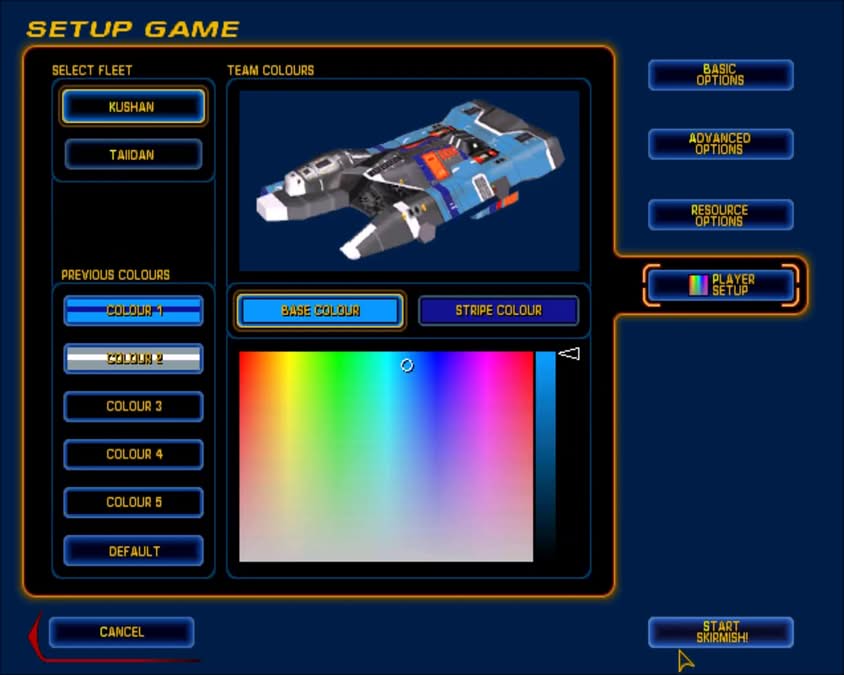
A detail that seems trivial but mattered a lot at the time : the ability to choose the dominant colors of your fleet before a custom game. It was a strong sign of the developers' vision. They didn't want you to command an abstract fleet on a map. They wanted you to have your fleet. With your colors. With your identity. This level of care for details was found everywhere in the game, from the black and white video briefings to the sleek menus, to the unique design of the Kushan and Taiidan ships, which each had their own coherent aesthetic philosophy.
For strategy fans who prefer a galaxy far, far away from Kharak, our article on Star Wars : Force Commander, the forgotten 3D RTS of the saga, digs into another attempt from that era to marry science fiction and 3D strategy.
The Original Trailer for Homeworld (1999)
If you've never seen the first official images of the game as they were shown back in the day, take two minutes. It gives a good idea of the visual impact it represented in 1999, when the rest of the RTS market was still running in 2D.
Homeworld 2, the Remastered Collection and Everything That Followed
A Franchise That Refuses to Die
The original odyssey laid such solid foundations that the logical sequel, Homeworld 2 released in September 2003 (still by Relic, still published by Sierra), definitively propelled the franchise to legendary status. The interface became more aggressive, the combat gained in intensity, and the arrival of the Vaygr faction offered battles on an even more disproportionate scale.
In 2015, Gearbox Software released the Homeworld Remastered Collection (available on Steam), which includes Homeworld and Homeworld 2 remastered with reworked 3D models, sublimated lighting effects, and the original audio recording preserved. The collection also includes the original classic versions for purists. It is the recommended entry point in 2026 for anyone who wants to (re)discover the franchise.
Homeworld : Deserts of Kharak, released in January 2016 by Blackbird Interactive, offered a terrestrial prequel on the burning sands of Kharak, with its own strategic flair and an atmosphere that was just as charged. Then came Homeworld 3 in May 2024, still by Blackbird Interactive and Gearbox Publishing, which attempted to reignite the flame with modern graphics engines. Opinions were more divided this time, but the franchise remains alive and continues to attract players who want something other than standard terrestrial RTS.
💡 Where to start in 2026 ? The Homeworld Remastered Collection on Steam is the best entry point. It brings together the first two remastered games + their classic versions, for a price that regularly drops under 5 dollars during sales. Keep an eye on IsThereAnyDeal or SteamDB to grab it at the right time. If you want the lore basics before diving into space, Deserts of Kharak is also a great gateway.
FAQ : Homeworld 1999, Your Most Frequently Asked Questions
Is Homeworld (1999) playable on Windows 10 and Windows 11 in 2026 ?
The original 1999 CD version can cause compatibility issues on modern systems. The recommended solution is the Homeworld Remastered Collection on Steam : it includes "Homeworld Classic", the original non-remastered version but made compatible with current OS. In two clicks, you're playing. It's clean, stable, and runs on any modern machine.
What is the difference between Homeworld Classic and Homeworld Remastered ?
Homeworld Classic = the 1999 game in its original state, without graphical tweaks, just made compatible with modern OS. Homeworld Remastered = the same game with reworked high-resolution 3D models, improved lighting effects, and a new audio mix. Both versions are included in the Remastered Collection. Personal advice : start with the Remastered, and switch to Classic if you want to experience the exact 1999 feeling.
Is Homeworld 3 worth it in 2026 ?
Homeworld 3 (May 2024, Blackbird Interactive) is a visually impressive game technically, but it divided the community over its solo campaign, considered shorter and less narrative than its predecessors. Its cooperative War Games mode, however, was well received. If you are already a fan of the franchise, it's worth it at a discount. For a first contact with the series, start with the Remastered Collection.
Is Homeworld difficult for RTS beginners ?
Homeworld is slower and more deliberate than classic RTS games like StarCraft or Age of Empires. No need for a pro-gamer APM. On the other hand, managing 3D space requires a real adaptation period, and the fleet persistence forces you to play carefully. The game is demanding but not purely punishing : it rewards thinking over execution speed.
Where to find Homeworld Remastered Collection at the best price ?
On Steam, the collection is heavily discounted very regularly, sometimes dropping under 2 or 3 dollars during major seasonal sales. You can also find it on GOG.com in a DRM-free version. To track price history and sale alerts, sites like IsThereAnyDeal and SteamDB are your best allies.
Homeworld, 25 Years Later : A Piece of PC Gaming History
Homeworld remains a raw, demanding journey that twists your brain with its mechanics and breaks your heart with its narrative. What Relic Entertainment achieved with their first game in 1999, a newborn studio with limited means and a crazy idea to make a fully 3D RTS in space, is simply remarkable. If you have never seen the immense hull of your Mothership plunge into the piercing blue of a hyperspace window to the sound of the Adagio for Strings, you are missing a piece of PC gaming history.
How about you, did you discover Homeworld upon release or later ? Did mission 3 also leave you speechless the first time ? Tell us everything in the comments, we are curious to know if we are the only ones who almost cried over a space RTS.
💡 Join the community !
Want to chat about RTS, retrogaming, or find buddies for multiplayer sessions on the classics ? Join us on the Little Big Campus Discord 👾