The foundations of a turn-based strategy giant
Our massive feature dedicated to classic PC strategy games continues. You can find all our retrospectives and analysis in our HUB Feature for RTS and LAN Party Classics. Today, we are diving into a true legend of turn-based strategy gaming: the original Heroes of Might and Magic trilogy.
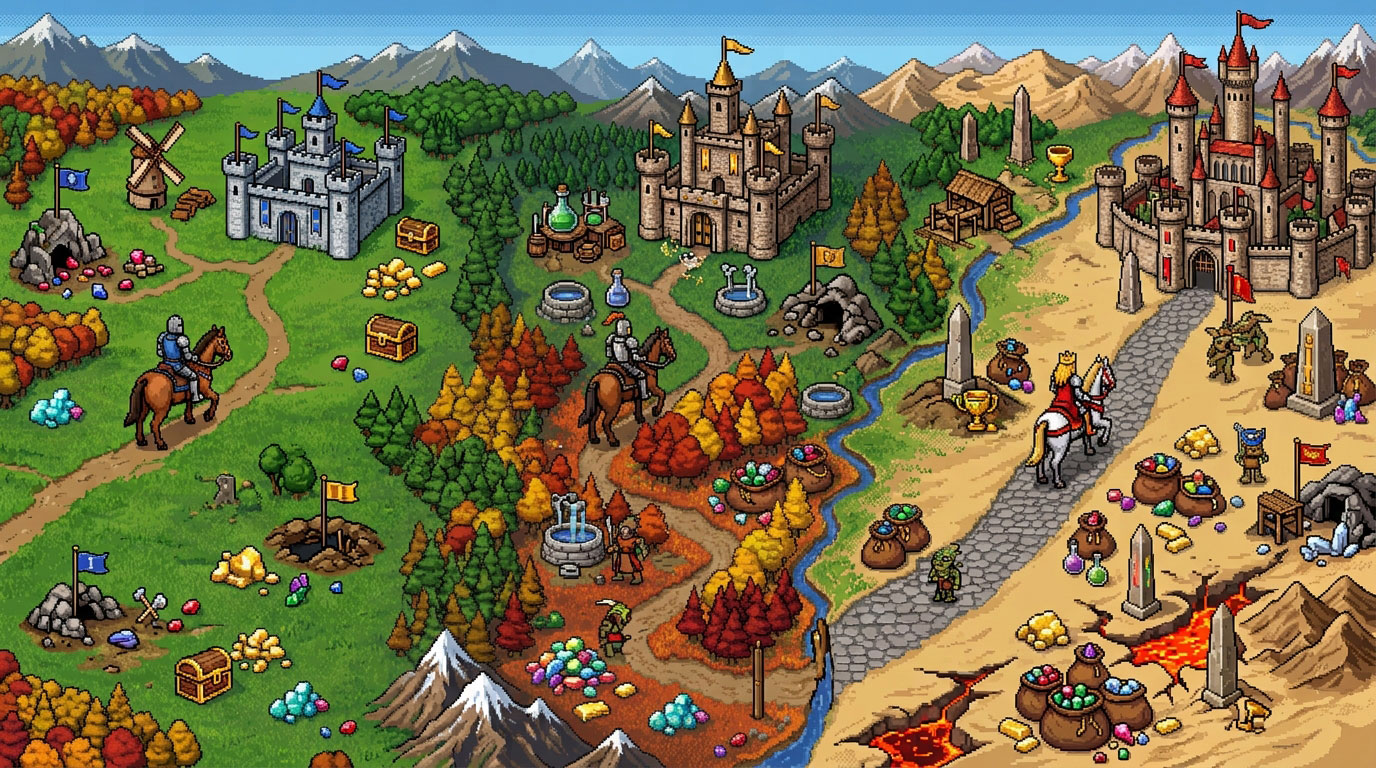
Under the visionary banner of New World Computing, led by creator Jon Van Caneghem, and published by The 3DO Company, the Heroes of Might and Magic franchise carved out a genre entirely its own. Blending tactical strategy and role-playing, the series relies on legendary mechanics. Players embody heroes who roam adventure maps, recruit armies creature by creature, capture resource mines, and expand their cities. These characters gain experience through intense combat, unlock secondary skills, equip precious artifacts, and master magical spells capable of turning the tide of any battle.
The rhythm of the game revolves around precise time and economy management. Each turn represents a single day, grouped into weeks and months. Gold, generated daily by your castles, is the absolute lifeblood of war to construct buildings and recruit troops. Securing secondary resources scattered across the map, wood, ore, gems, crystal, sulfur, and mercury, is essential to access advanced structures and high-tier creatures. Every start of the week sees creature dwellings restock, while neutral monsters wandering the world occasionally multiply in numbers.
When two armies meet, the game switches to a turn-based tactical combat screen divided into grids. Troops are grouped into squads of the same type, and the clash continues until the destruction, flight, or surrender of the opponent in exchange for a hefty sum of gold. The outcome of these battles heavily depends on troop composition, alongside morale and luck, factors deeply influenced by hero skills and equipped artifacts. Players also scour the map for obelisks that gradually reveal the location of an ultimate artifact, the Grail, capable of granting colossal bonuses to the city that hosts it.
Heroes of Might and Magic (1995): The MS-DOS spark
The massive impact of the shareware era
Heroes of Might and Magic I instantly takes me back to my earliest days in PC gaming. We are talking about the glorious era of MS-DOS games, where you had to endure the sacred ritual of system configurations before even launching a session. Configuring your sound card between Adlib and SoundBlaster, tweaking parameters, tinkering... all these little details deeply resonate with the veterans among us. Back when we endlessly played freeware, shareware, or a bunch of mini-games often stripped of any storyline and reduced to mere demos, booting up Heroes I felt dizzying: we finally held a massive, meticulously finished masterpiece built to stand the test of time.
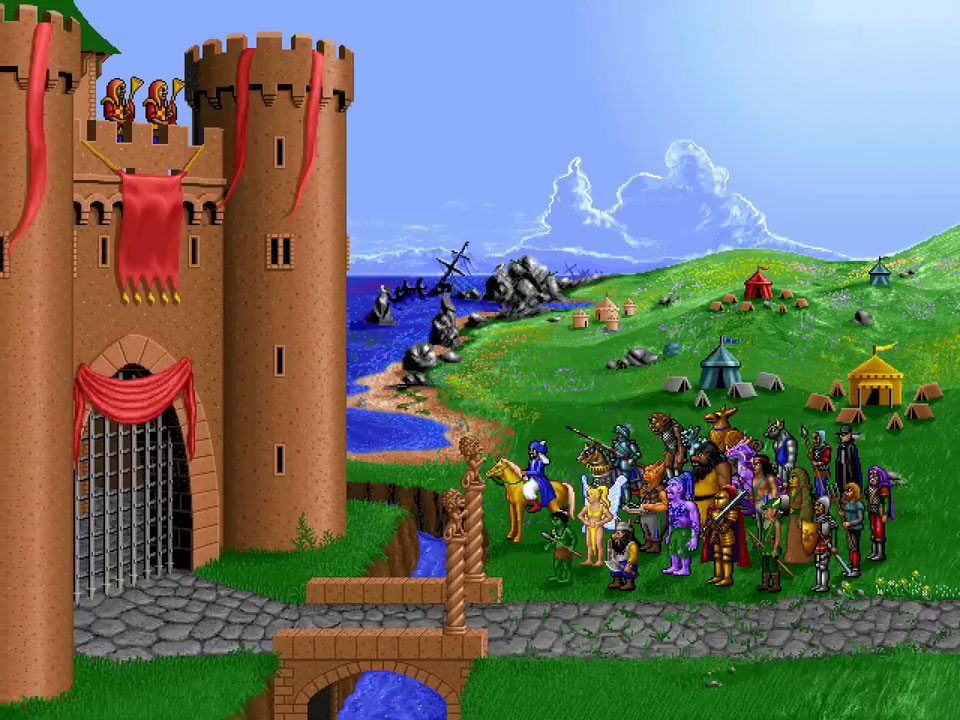
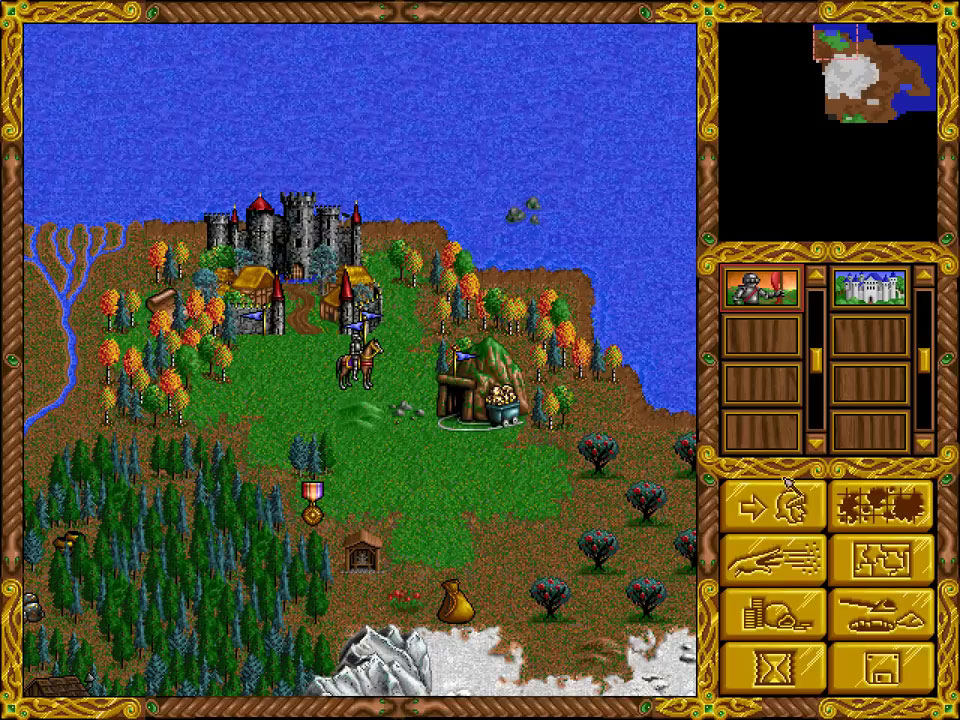
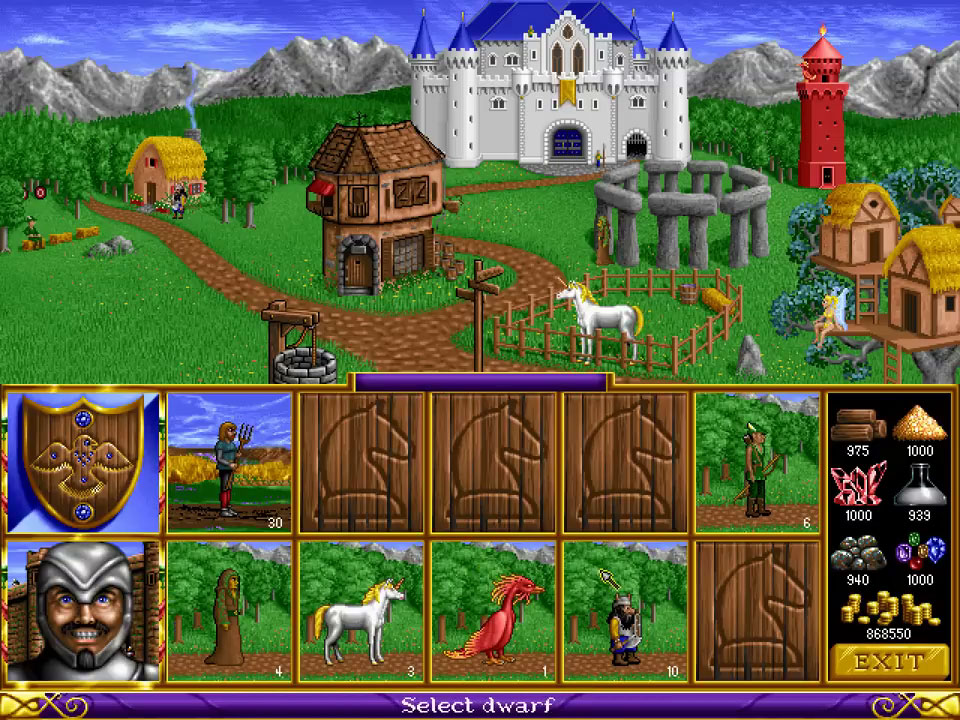
The title featured four factions: the Knight, the Barbarian, the Sorceress, and the Warlock, brought to life through Lord Morglin Ironfist's bloody conflict to conquer the continent of Enroth. We jumped straight into the campaign to learn the ropes, then spent endless hours exploring every corner, driven to conquer every map, sending our paladins against dragons, and striving to become the undisputed master of the realm. This whole universe soaked in Dungeons & Dragons profoundly nurtured my love for D&D culture, an affection that still compels me today to keep a close eye on any fantasy game inspired by it.
💾 Configuring your sound card in MS-DOS before every session, guessing between Adlib and SoundBlaster, and praying it wouldn't crash: an initiation ritual every gamer from that era experienced. Heroes I was right there with us.

Heroes of Might and Magic II (1996): The rise to maturity
Two new factions and unprecedented narrative depth
Arriving just a year later, Heroes of Might and Magic II: The Succession Wars propelled the franchise into a completely new dimension. The game expanded with two new factions, the Wizard and the Necromancer, bringing the total to six distinct alignments. The storyline this time pitted King Morglin Ironfist's two sons, Roland the Just and Archibald the Tyrant, against each other in a deeply engaging narrative struggle.
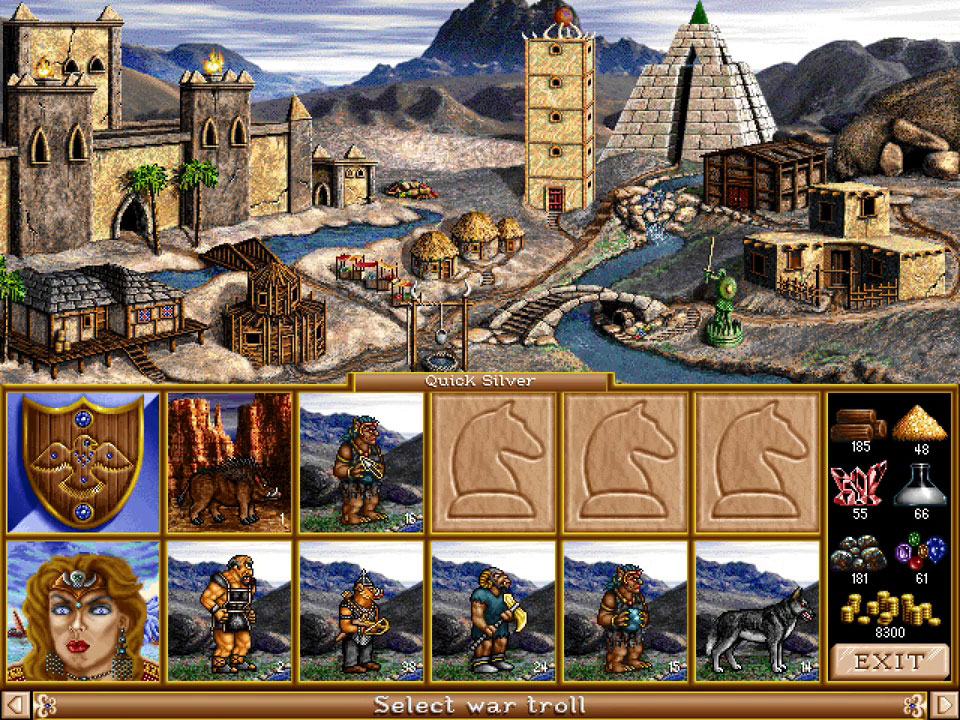
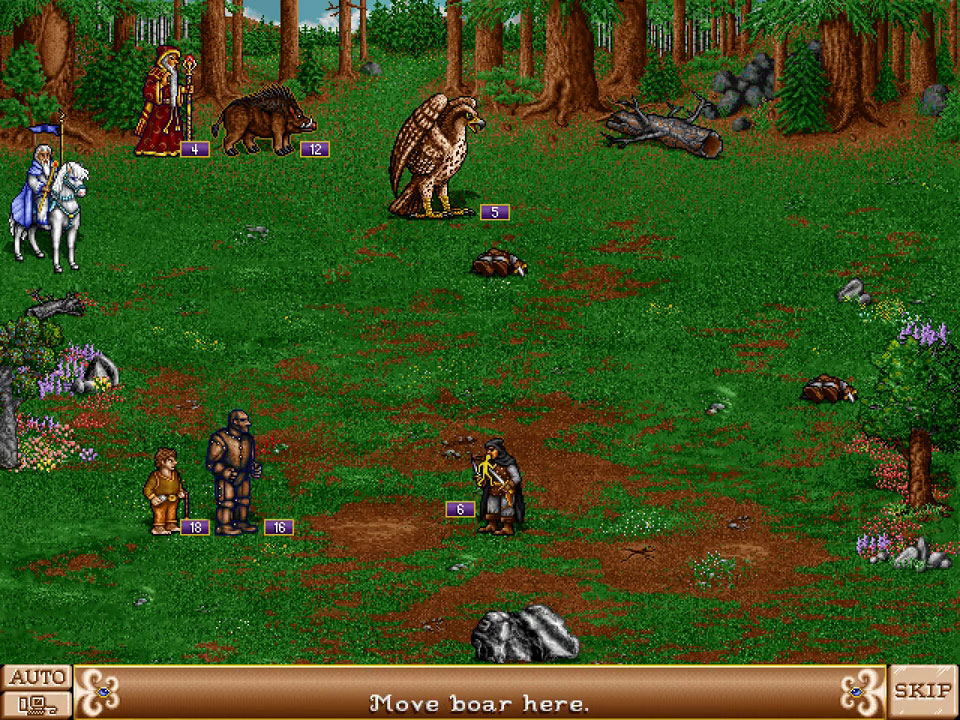
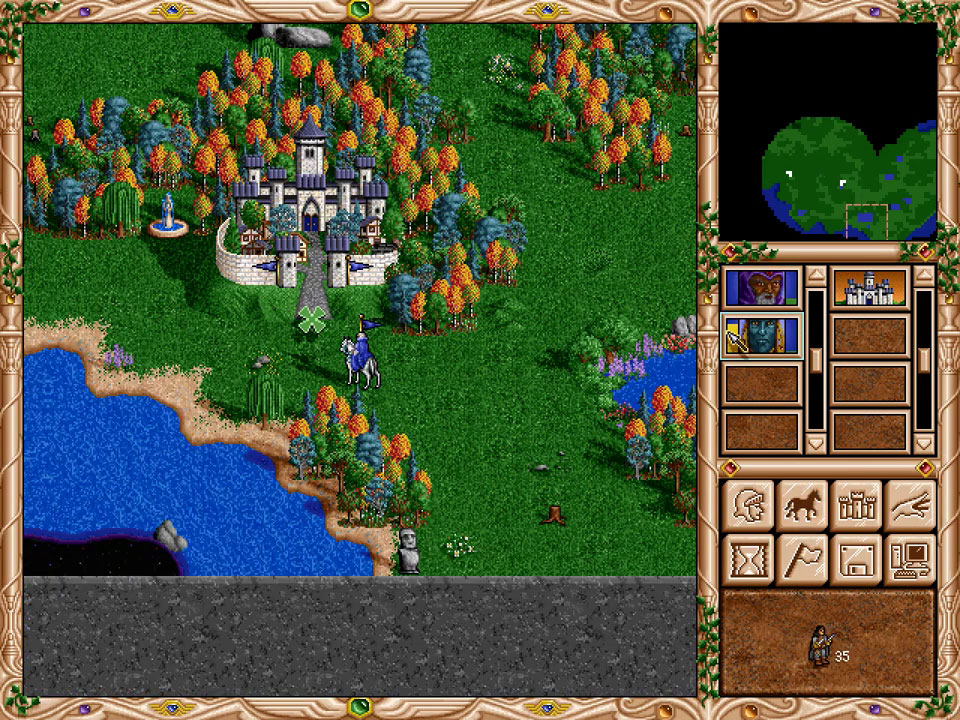
Visually and technically, the evolution was breathtaking. Everything was reworked, scaled, and refined to accommodate battles of unprecedented magnitude with a massive number of creatures on screen. This is exactly when the developers at New World Computing truly cemented their expertise, delivering a larger, richer, and intensely immersive universe. The music of this entry, especially its memorable operatic and lyrical themes composed for the castles, carved a sonic footprint that still echoes through the saga. Heroes II was the first episode to make serious waves in the industry, captivating a much wider audience and generating the perfect momentum to launch the franchise to its absolute peak.

Heroes of Might and Magic III (1999): The absolute masterpiece
An unmatched visual, sonic, and tactical symbiosis
Released in 1999, Heroes of Might and Magic III: The Restoration of Erathia landed at the perfect moment. As the 90s drew to a close, the video game industry was rapidly professionalizing, and the creative team knew exactly where to steer their creation. The result is an undisputed masterpiece that remains the most passionately beloved episode by fans to this very day.
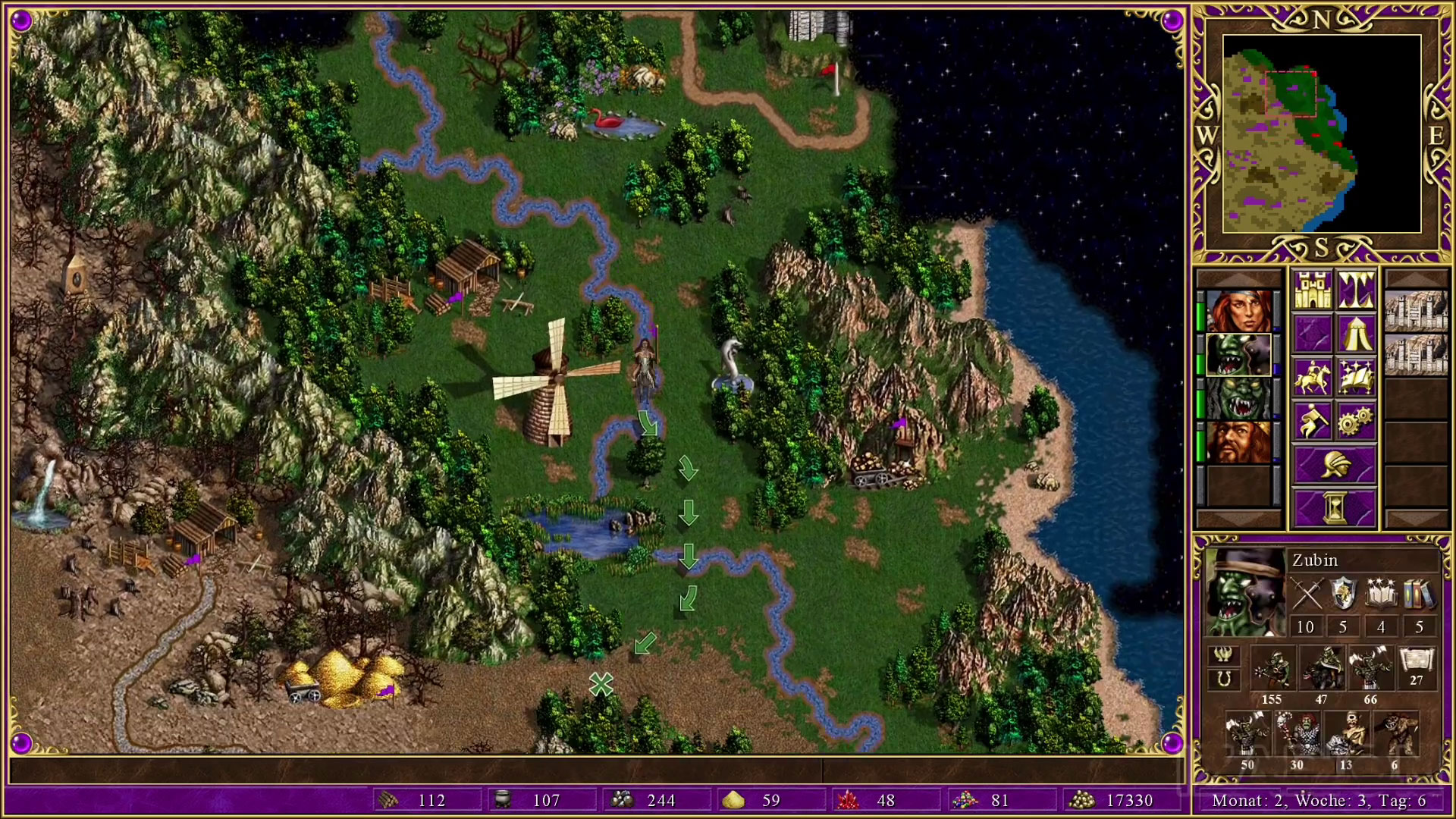
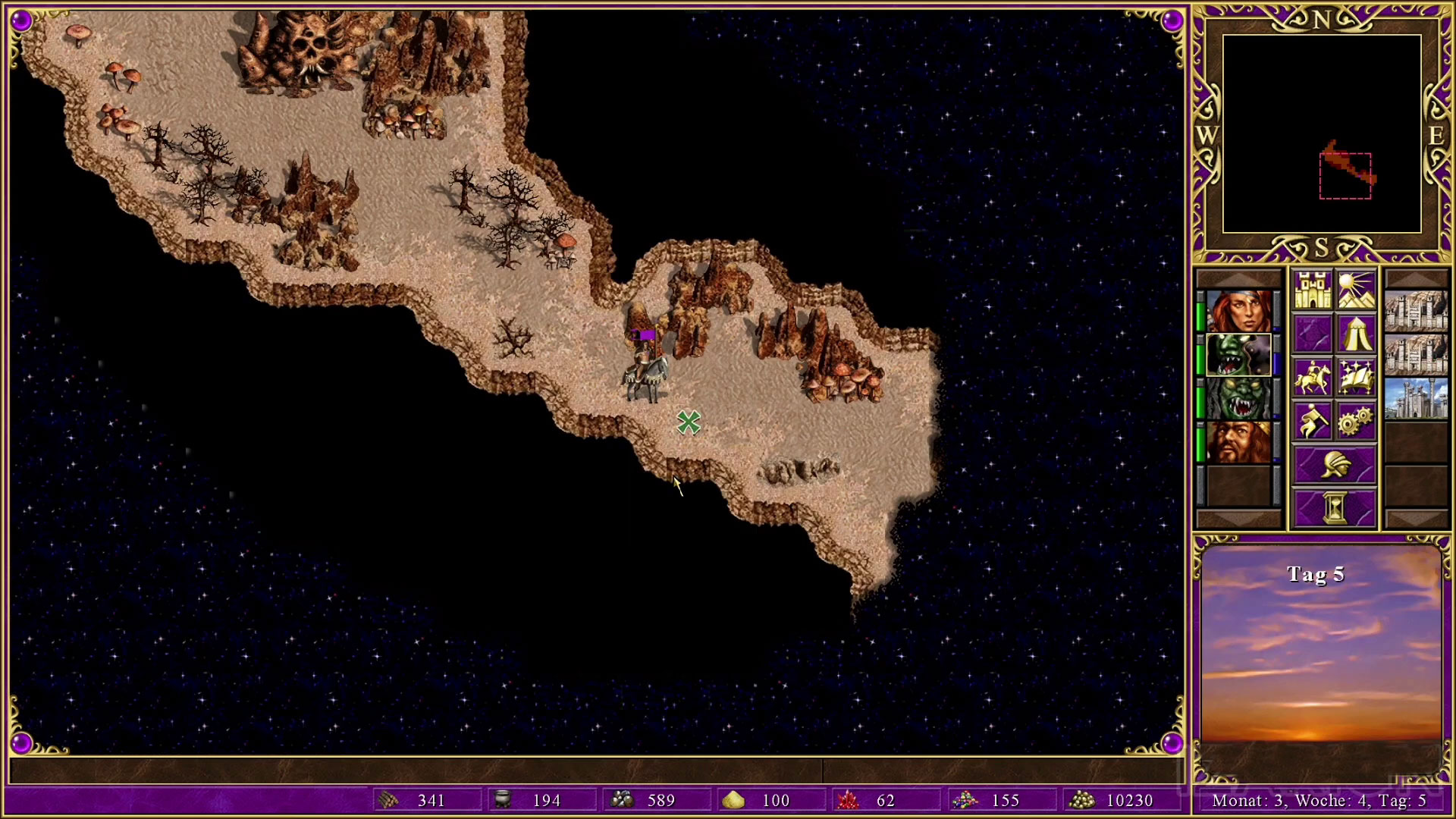
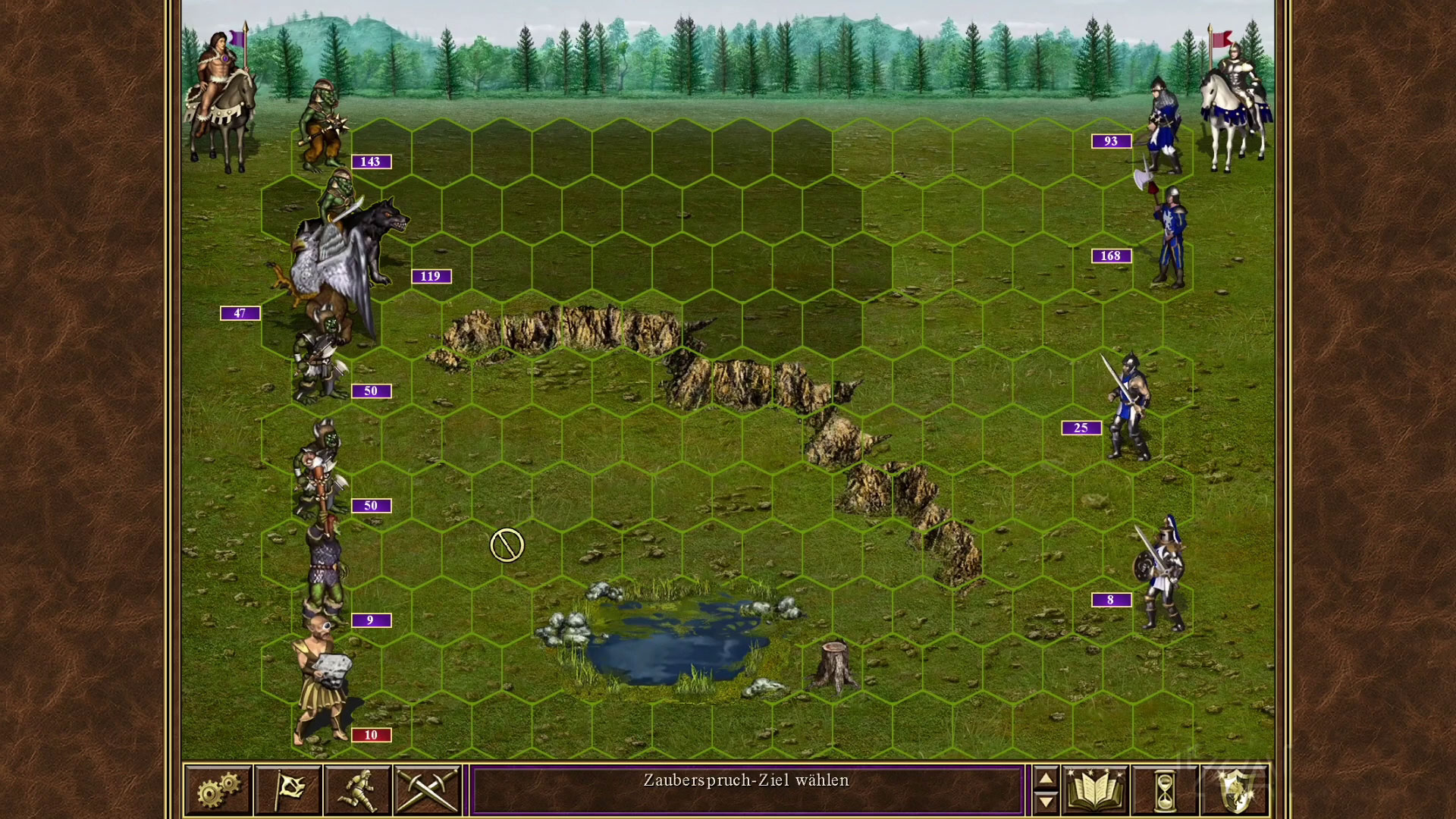
The game delivers a visual symbiosis of pure charm. The environments possess a striking identity, featuring instantly recognizable biomes tied to the different factions: the lush forests of the Rampart, the snow-covered lands of the Tower, and the scorched, lava-filled grounds of the Inferno. When you travel across the map and reach a volcanic or snowy terrain, you instinctively know exactly what creatures and dangers await. This visual clarity was paired with flawless fluidity and numerous quality-of-life improvements that the earlier installments lacked.
We all have a favorite faction that watched us grow up, a cherished hero, and a signature spell. Personally, just like countless other players, the Implosion spell holds a deeply special place in my battle memories!
And what can be said about the soundtrack crafted by Paul Romero, Rob King, and Steve Baca: I would bet anything that any player who touched Heroes III still carries most of these musical themes in their head today. This is a rare feat for a game that is over 25 years old. Heroes III quite simply became a monument, heavily played online and fiercely supported by one of the most active modding communities in the world, capable of introducing new factions, entire campaigns, and full-blown expansions like Horn of the Abyss.

Thirty years of magic and a bright future
Talking about Heroes of Might and Magic means evoking a visual and sonic magic that has never faded. It is all about those vibrant colors, those little piles of glowing gems and gold coins scattered on the ground that we rush to collect, those countless hours completely lost in front of a single map, and the absolute joy of watching a hundred archangels clash with a hundred titans on the battlefield.
These games from a bygone era left an indelible mark on entire generations of strategists and continue to delight a massive community. The franchise constantly proves its timeless strength: while Heroes of Might and Magic: Olden Era just launched to reconnect with the origins of the Enroth continent, Ubisoft is also preparing a full remake of Heroes of Might and Magic III for 2027. Thirty years later, the magic still strikes with the exact same intensity, and this legendary universe is far from done making us dream.
So, what is your ultimate go-to faction in Heroes III? The Castle, the Necropolis, the Inferno? Tell us everything in the comments!
FAQ: Heroes of Might and Magic in 2026
Is Heroes of Might and Magic III still playable in 2026?
Yes, absolutely seamlessly. Heroes III Complete Edition is available DRM-free on GOG for under $5, and runs perfectly on Windows 10 and Windows 11 without any complex configuration. A Steam version also exists for $9.99. The community actively maintains Horn of the Abyss, a phenomenal unofficial expansion that adds new factions and fresh content entirely for free.
Where to buy Heroes of Might and Magic I, II, and III at the best price?
The three episodes are exclusively available on GOG (the first two do not have a Steam release). Heroes III is also on Steam for $9.99, but the GOG version is DRM-free and goes on sale frequently. Take advantage of the current promotion running until 09/10/2026 to grab all three at a heavily discounted price.
What is the difference between Heroes I, II, and III?
Heroes I lays down the foundation with four factions on MS-DOS. Heroes II enriches the formula with six factions, a highly developed storyline, and a massive visual overhaul. Heroes III represents the absolute pinnacle of the series: eight factions, an underground world, a legendary soundtrack by Paul Romero, and a level of tactical depth never matched in the franchise. It is the definitive entry the community still actively plays today.
Is a Heroes of Might and Magic III remake planned?
Yes. Ubisoft announced a full remake of Heroes of Might and Magic III scheduled for 2027. Meanwhile, Heroes of Might and Magic: Olden Era is already available, offering a glorious return to the roots of the Enroth continent for fans who simply cannot wait.
Does Heroes of Might and Magic work on Mac or Linux?
The GOG versions of Heroes I and II are designed for Windows PC. Heroes III enjoys much better cross-platform support thanks to community projects like VCMI, an open-source engine that allows the game to run natively on Linux and macOS. Check the official VCMI forums for simple installation guides.
💡 Join the community!
Want to chat about Heroes of Might and Magic, find friends for multiplayer matches, or share your retro strategy memories? Join us on the Little Big Campus Discord 👾