Interplay : The American Dream of Video Games
Once upon a time… there was a studio with a name that felt almost magical : Interplay.
On our childhood shelves, those dusty PC big boxes promised fantastic worlds the moment we inserted the floppy disk (yes, I am officially a boomer). From that very first boot-up, you felt swept away into an irresistible adventure. Let’s look back at the company that defined the golden age of gaming in the 1990s.
" By gamers. For gamers. "
— The cult motto of Interplay
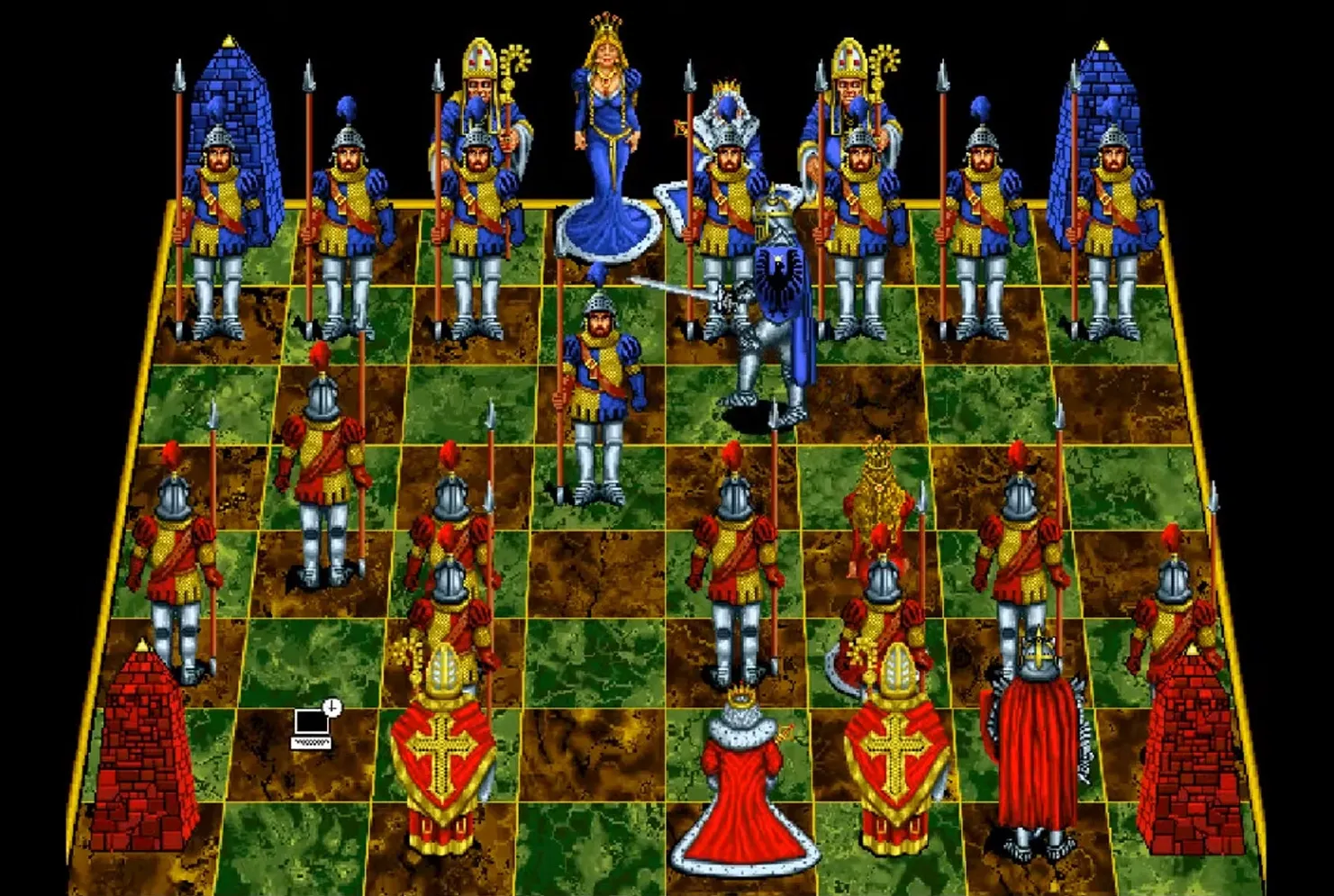
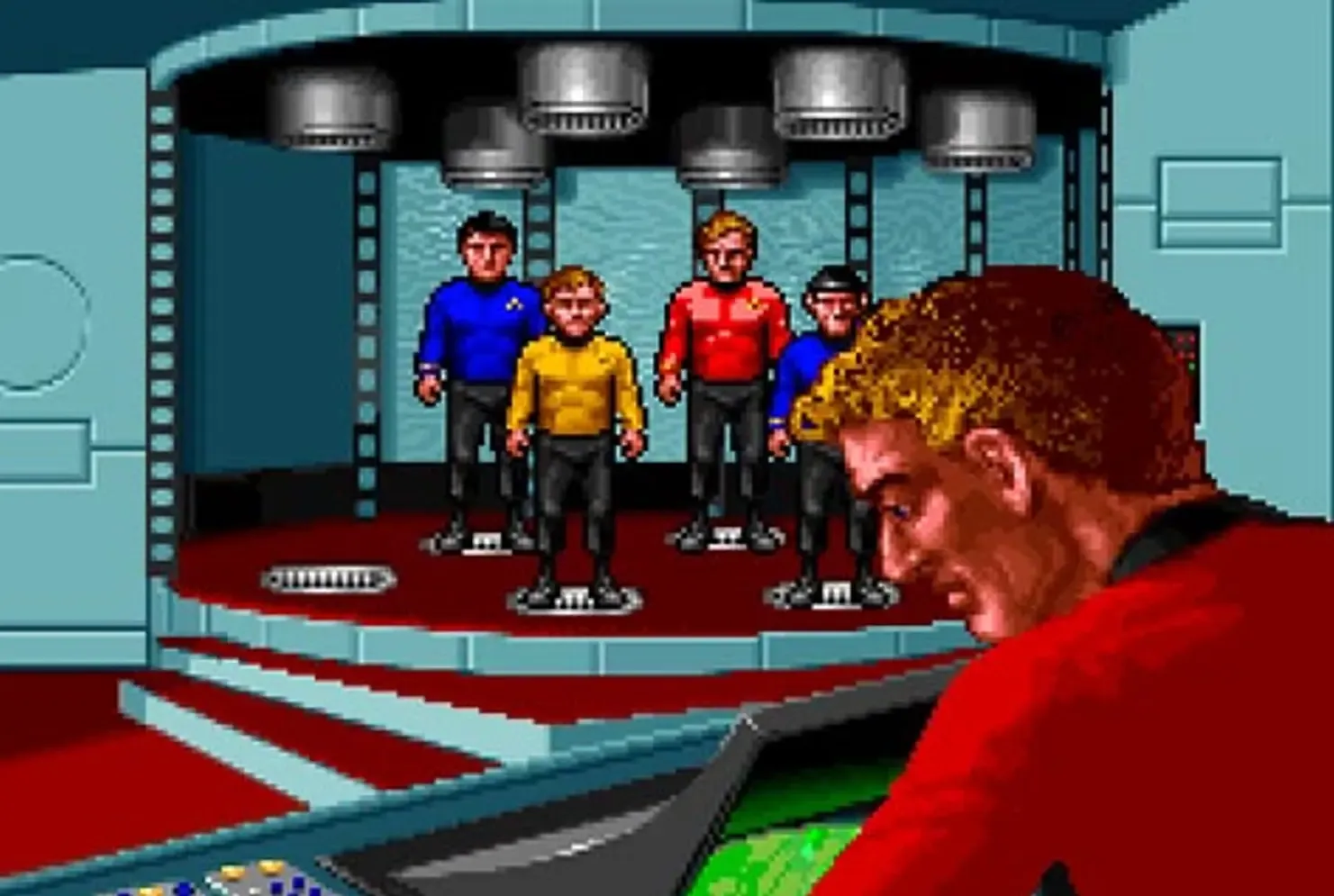
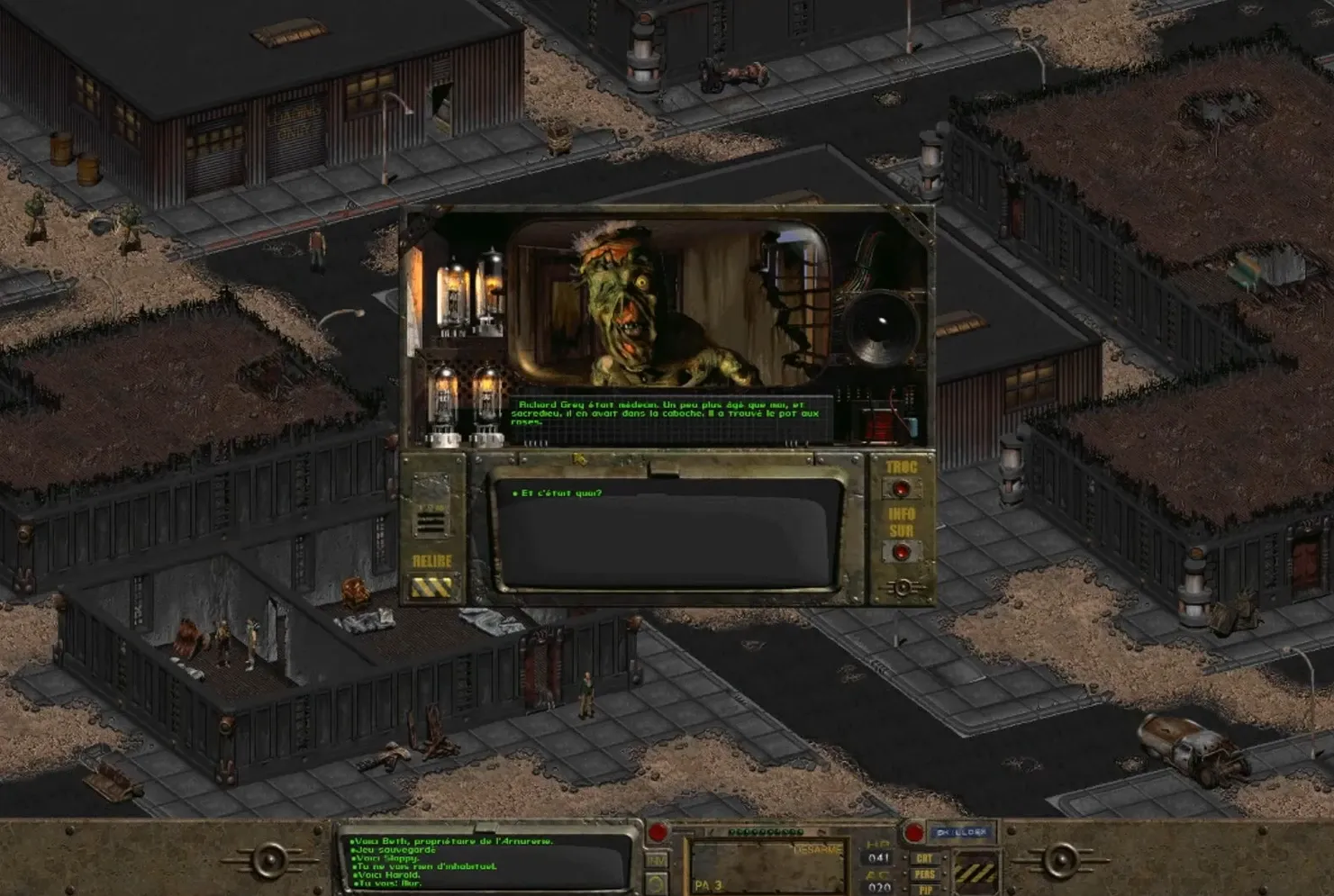
The Genesis of a Pioneer (1983–1985)
In 1983, Brian Fargo, a young Californian programmer, founded Interplay Productions. His creed : to offer players voices, emotions, and truth. The first major challenge came with Mindshadow, a graphic text adventure developed for Activision. Fargo was already injecting his unique touch : an artist, a musician, and a writer working in harmony, moving away from the usual solo productions of the era.
The team kept the momentum going with The Bard’s Tale (1985), an RPG that would define a generation. On the C64 or Apple II, young gamers spent countless nights mapping out endless dungeons, sometimes using actual graph paper and pencils.
A juicy bit of trivia ? Michael Cranford, the game’s co-creator, reportedly held the final version hostage to renegotiate his royalties, forcing Fargo to give in before the release of the second installment.
The Golden Era : Fallout, Earthworm Jim, Black Isle…
In the 90s, Interplay became a powerhouse of legendary hits :
- Fallout and its successors : a post-apocalyptic saga born from a collaboration of legendary talents. Fargo personally chose the name Fallout, inspired by a vision of a "fifties-style" future.
- Descent : zero-gravity chaos, a breakthrough FPS launched by Parallax (the future Volition).
- Earthworm Jim : the wacky earthworm that completely redefined the platformer genre.
- Planescape : Torment : a cult philosophical RPG, born from their subsidiary Black Isle Studios.
- MDK, Baldur’s Gate, Stonekeep, and so many more.
" Interplay was our Mecca. We all dreamed of working there. "
— Tim Cain, creator of Fallout
Interplay was the home of every style, every wild idea. A studio capable of delivering games that were serious, hilarious, innovative, and often years ahead of their time.
Creative DNA : Boldness, Talent, and Madness
The studio never feared experimentation :
- Kingpin : Life of Crime shocked the world with its grit and violence.
- Neuromancer brought William Gibson’s cyberpunk novel to life.
- ClayFighter, Giants : Citizen Kabuto : true gaming anomalies. Some titles were even banned or heavily censored.
Fargo recalls : “we had to adapt, develop our own tools, and compress text and graphics.” Another anecdote : Mindshadow had so little storage space that every single word was considered a true luxury.
Their only guiding light ? Creativity. Fun. Boldness. Sometimes, it led to financial struggle. But more often than not, it resulted in forgotten treasures that have since reached legendary cult status.
Chaos and the Duality of Giants
Fargo navigated between titans : EA and Activision despised each other, and Interplay worked for both. “They’d grill me every time there was a leak… I quickly learned to keep my mouth shut,” he explains.
By 1992, the company reached 600 employees and acquired Shiny Entertainment to break into the console market. In 1998, it went public. However, in 1999, a French investor (Titus) took control ; Fargo eventually jumped ship.
Overproduction, mounting debt, and the rise of consoles signaled the end. In 2004, Fallout was sold to Bethesda, the final blow for Interplay. Fargo confessed :
" Selling Fallout was heartbreaking... but we had no other choice. "
— Brian Fargo
The weakened company lingered for a while... before fading into silence.
Renaissance and Legacy
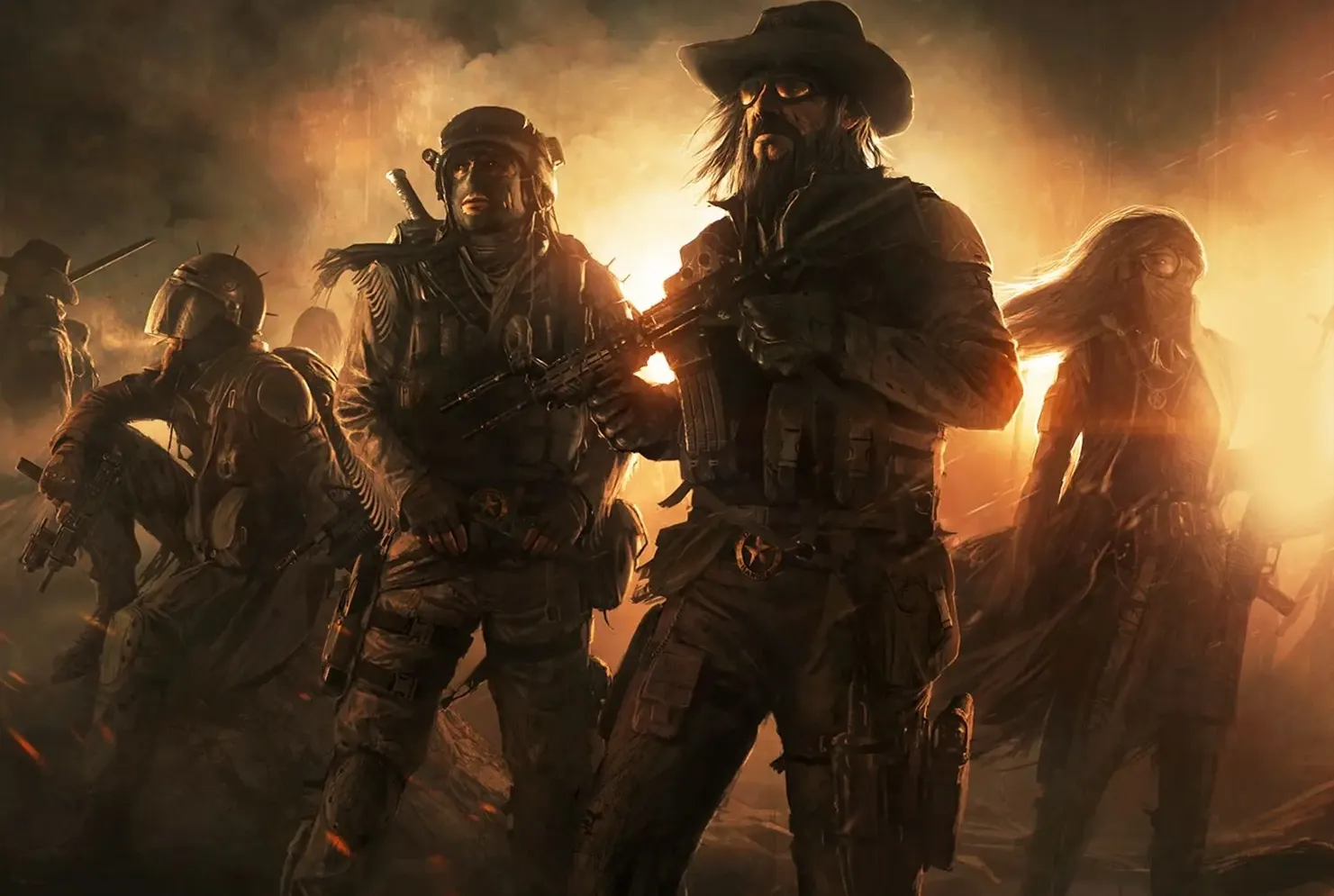
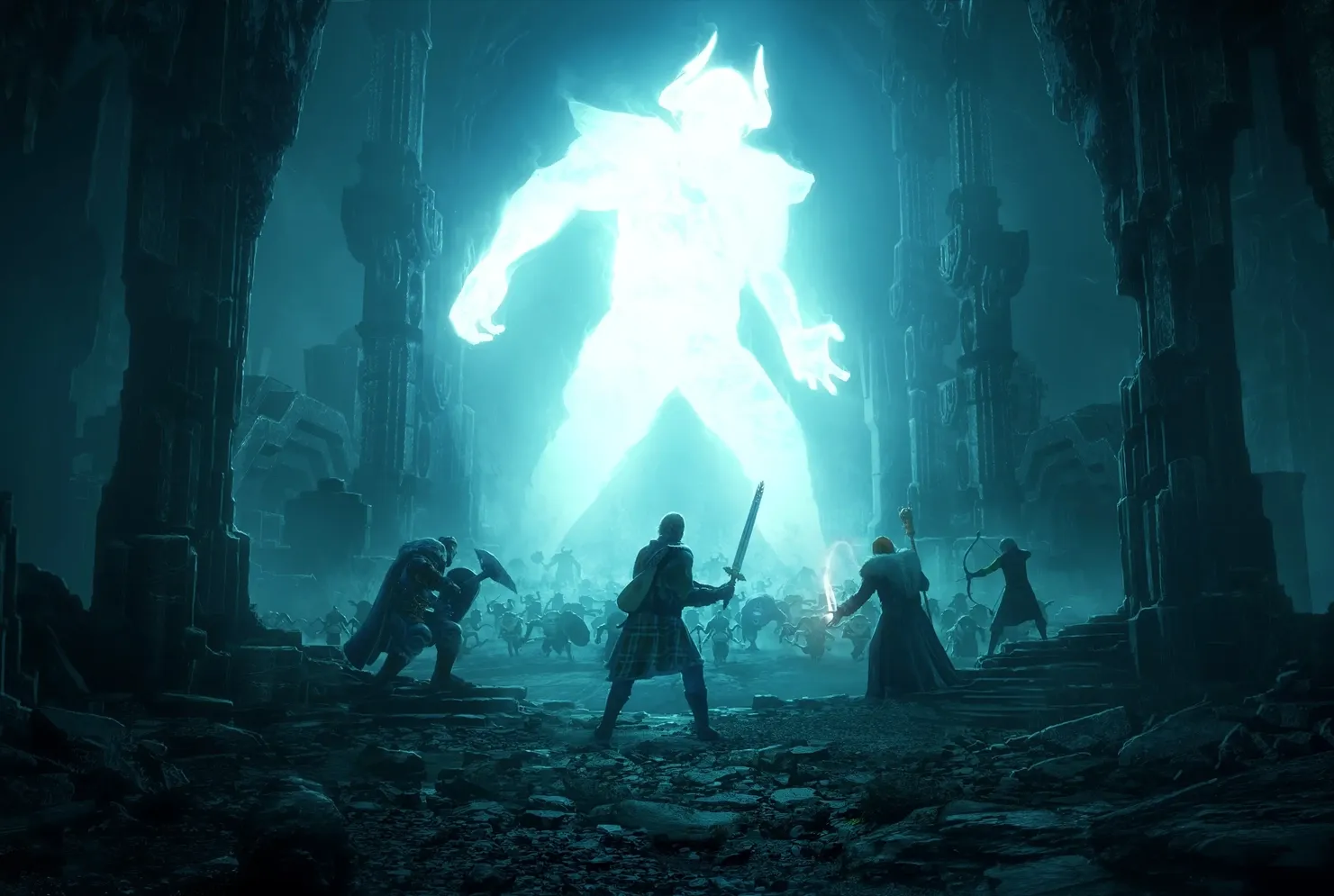
Fargo bounced back with inXile Entertainment (2002), rising to fame through Kickstarter (Wasteland 2, Torment : Tides of Numenera) before being acquired by Xbox in 2018.
Alumni from Interplay and Black Isle went on to found or lead Obsidian, Larian, Volition, and Blizzard, inspiring modern RPG innovations like The Witcher, Pillars of Eternity, and Divinity.
Interplay Was More Than Just a Studio.
Interplay wasn't just a corporation : it was a project fueled by dreamers, creators, and geniuses of organized chaos. Every game felt like an invitation to explore, to feel, and to invent.
Even today, when you close your eyes, you can still feel that spark when the Interplay logo appears : a portal to the unknown, a world where everything seemed possible. A living legacy, reborn every time an indie studio dares to dream big.
Interplay, Brian Fargo, Tim Cain, Fallout, Black Isle... these topics are so deep that I promise... we will be coming back to them very soon !
Did you grow up with Interplay ? Okay, it’s been a while... but it was pure gold. Any memories to share ? Tell us everything in the comments !