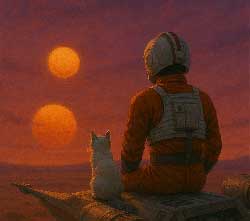
🏆 The floor is yours, Titans !
This article was chosen by you ! Following our recent poll reserved for Tipeee contributors, the "Titans" tier has made its decision. Among the three themes proposed by LBC, you chose : Retro-future : 1990 predictions vs 2025 reality.
The idea was to confront the technological fantasies of the 90s with the reality of 2025 to understand why the future never looks like the predictions, except in the emotion it provides.
2026 won't be like 2026
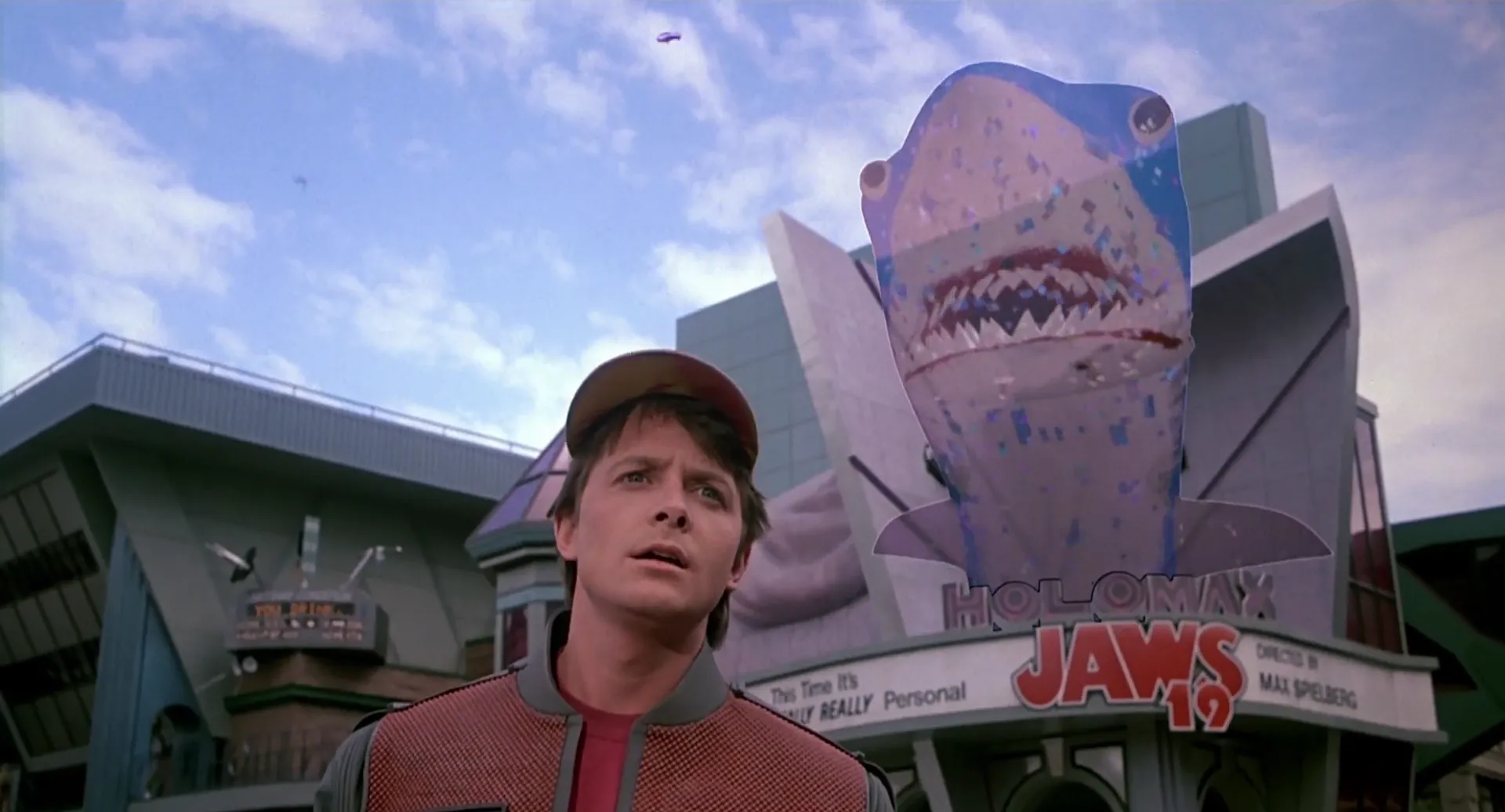
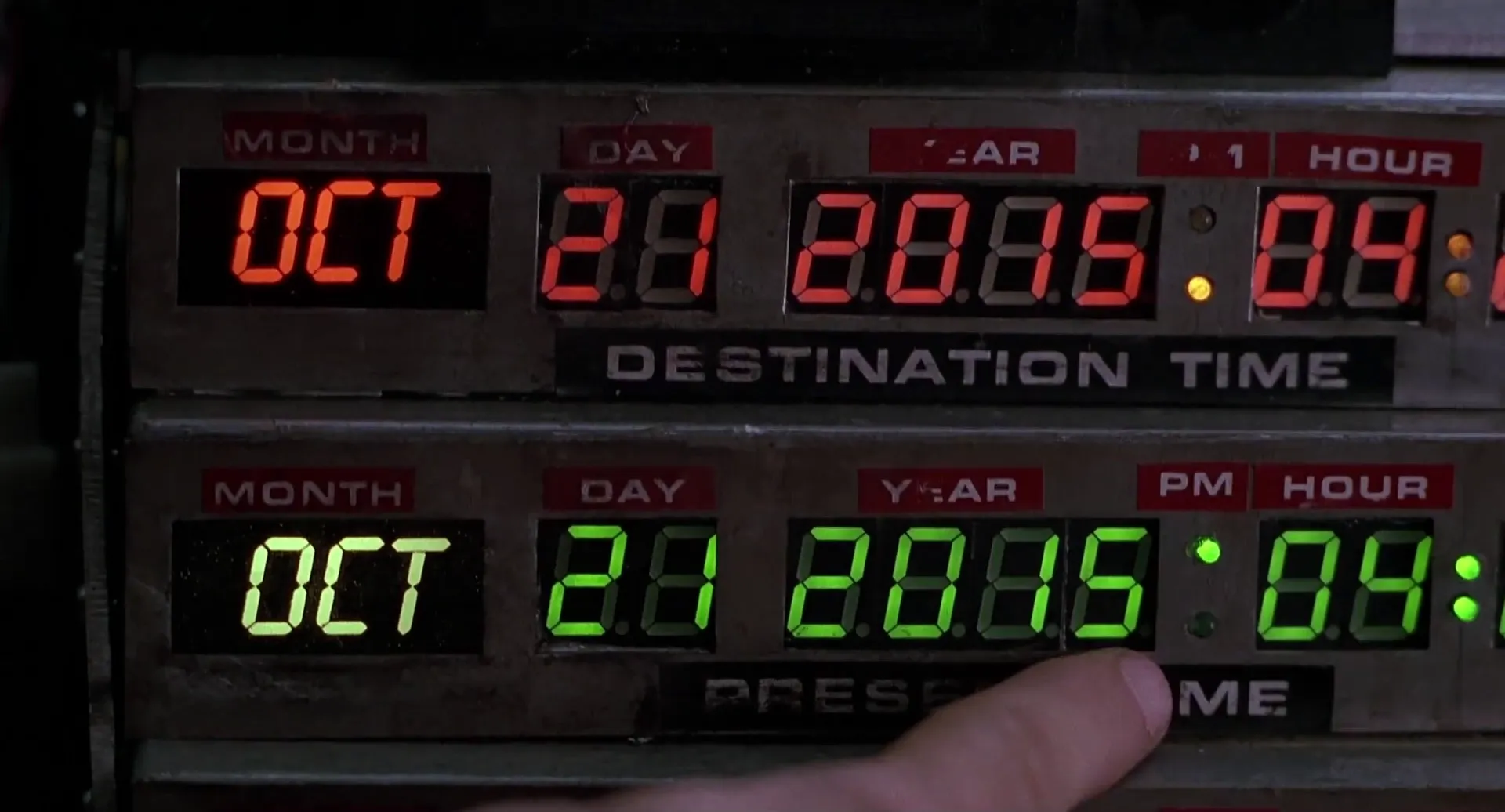
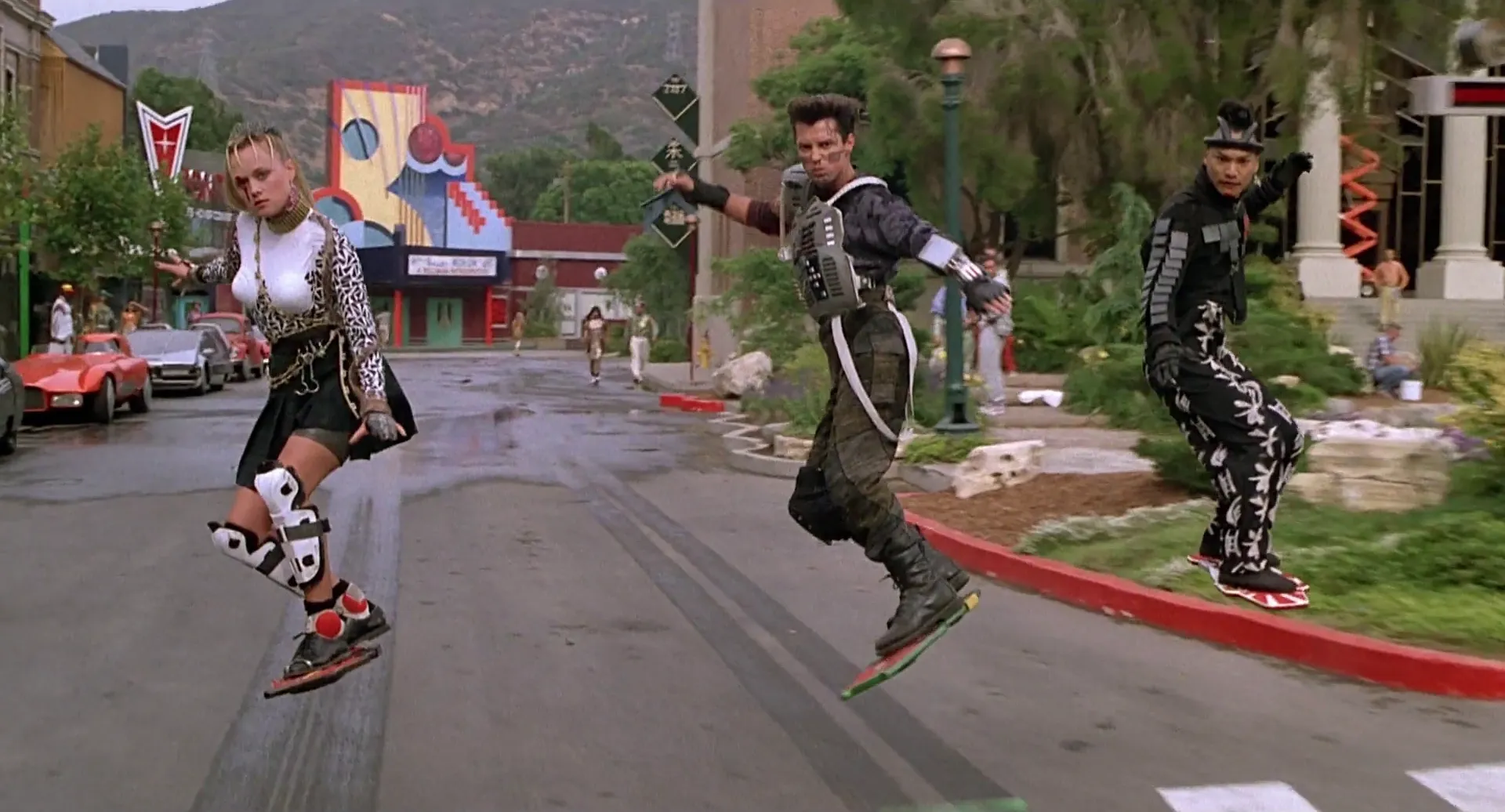
1989. People walked out of the cinema after seeing Back to the Future Part II, eyes glowing, with a big "wtf" on their faces. Their vision of the future had just changed : by 2015, we would have Hoverboards, self-lacing shoes, and flying cars powered by household waste, and there would be no more traffic jams on the highway. For them, the future was going to be insane, and we couldn't wait to be there. We lived in the fantasy of a "physical" future. A bit later, we awaited the year 2000 like a magic frontier where technology would change the shape of the world—provided the famous "Y2K Bug" didn't ravage everything in its path. We already imagined ourselves like in Total Recall or Blade Runner, wandering through vertical cities under giant holograms, with domestic robots serving our coffee.
Yet, here we are in 2026. And if you look out the window, cars still have their four wheels on the asphalt, and our clothes don't have integrated LEDs. The future has arrived, however, but silently. It didn't change the shape of our cities, but it changed the substance of our lives.
The paradox of comfort
What is quite fascinating is that if we could send a message to the "us" of the 90s, we would tell them that the reality of 2026 is both more disappointing and a thousand times more powerful than their dreams. We don't have flying cars, but we have computers in our pockets (our smartphones) capable of calculating millions of times faster than the NASA machines that sent men to the Moon.
We imagined a spectacular future. We got an invisible future. And that is where the whole emotion of this chronicle lies : understanding why our childhood fantasies crashed against reality, while offering us something we never dared to predict.
Virtual Reality : From 5kg headsets to an "augmented" world
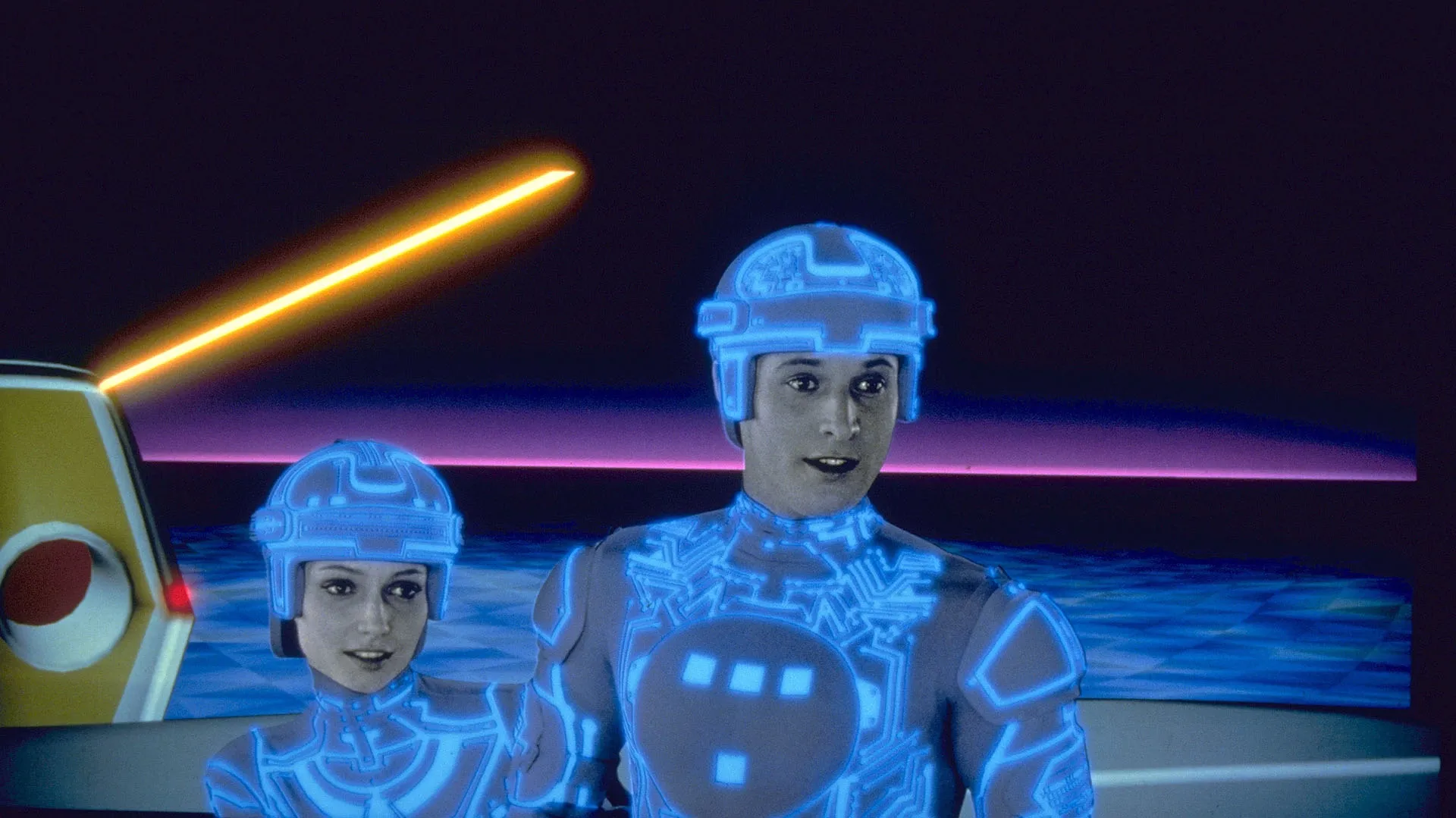
In the 90s, the Virtual Reality that was supposed to arrive was the Holy Grail. We remember those monstrous fairground machines, the Virtuality pods, where you had to put on a headset weighing as much as a cinder block to see three neon polygons shaking at 10 frames per second. For us, the future was clear : we would all end up like in The Lawnmower Man or Tron, living permanently in a digital world, disconnected from our living rooms.
Even Nintendo failed at it with the Virtual Boy in 1995. We were promised total immersion, but we got a crimson migraine and a hunchback's posture. But no matter : we dreamed of it. We thought the future was about escaping the real world to never return.
2026 : Immersion... and solitude
Today, the dream is technically fulfilled. With the PSVR2, the Meta Quest 3, or the Apple Vision Pro, the image is crystal clear. We can literally walk on Mars or pilot an X-Wing from our sofa. But there is a "hitch" that sci-fi movies hadn't predicted : isolation.
We imagined epic VR LAN parties, but we often find ourselves alone under our headsets, cut off from our loved ones, in a bubble of plastic and glass. The real "banger" of 2026 isn't finally escaping into the virtual, it's Augmented Reality (AR).
The future didn't replace our living room with an immersive world ; it learned to dress up our reality. It’s the navigation screen displayed on the car windshield, the info floating above us. We didn't leave the solid ground for cyberspace, we just added a layer of digital magic to our daily lives.
We dreamed of escaping the world, of fleeing our teenage bedrooms for infinite universes. In 2026, we realized that technology is more beautiful when it doesn't separate us from those around us. We no longer want to escape, we simply want to "augment" our life moments.
Physical media : From LaserDisc to the invisible "Cloud"
If you asked a kid in 1990 what the future of storage would look like, they would answer with wide eyes : "Huge discs with rainbow reflections !". We were in full transition. We were moving from floppy disks to the CD-ROM, and the ultimate fantasy was the LaserDisc. For us, the larger the medium, the more "future" it contained. We imagined ourselves with shelves filled with laser discs, enormous libraries of gaming content. The future was concrete and tangible.
We collected boxes, stacked cartridges, and judged a game's value by the thickness of its manual. It was an era of physical possession.
2026 : The end of the object, the reign of the "Cloud"
Today, in 2026, the laser disc on which you could store the three Lord of the Rings movies in 4K never arrived. On the contrary, the object has vanished. We are in the era of total dematerialization. Our game libraries are no longer on our shelves, but "somewhere" on servers at the other end of the planet. We no longer own anything at home ; we connect to a server and access it.
What our predictions didn't see coming is this visual frugality. The future isn't cluttered but empty. A simple slab of glass or a hybrid console is enough to call up, in one click, any movie or game ever created.
We have gained incredible firepower : instant access to all of human history. But we have lost that little sacred ritual : reading the manual in the car on the way home. That suspended moment when, unable to play immediately, we devoured every page, every illustration, imagining the adventure that awaited us. The Cloud offered us immediacy, but it stole the waiting and the physical contact with our passions.
Artificial Intelligence : Terminator vs The invisible algorithm
In the 90s, AI had a face, and it was often terrifying. It was the T-800 from Terminator, a chrome metal shell with red eyes, or HAL 9000 from 2001: A Space Odyssey. For us, artificial intelligence absolutely had to have a body, a metallic voice, and a nagging tendency to want to exterminate humanity. We feared a physical invasion, robots walking in our streets and replacing our arms.
2026 : AI without a face, but with genius
The reality of 2026 is much more subtle, but just as dizzying. AI is not a robot making coffee ; it is an invisible flow of data. It is in our creative tools ; it helps us code, edit our videos, or generate stunning images from a simple phrase. While it doesn't have a body yet, it is already everywhere : in our search engines, our video games, and our messaging apps.
We dreaded a head-on collision with metal machines ; we are living a revolution of thought. AI didn't come to replace us physically ; it came to shake up our creativity. We are learning to collaborate with a digital mind to push the limits of our own imagination rather than fighting machines in the ruins of Los Angeles.
Video Games : The race for realism vs the return of pixels
In 1990, we had one obsession : photorealism (shoutout to FMV games). We watched the "CGI" cinematics of the first CD-ROM games with wide eyes, saying : "Imagine when the game looks like this in real-time !". For us, progress was linear : once games were indistinguishable from reality, we would have reached the summit. The video game would be "finished" and perfect.
2026 : Style stronger than technique
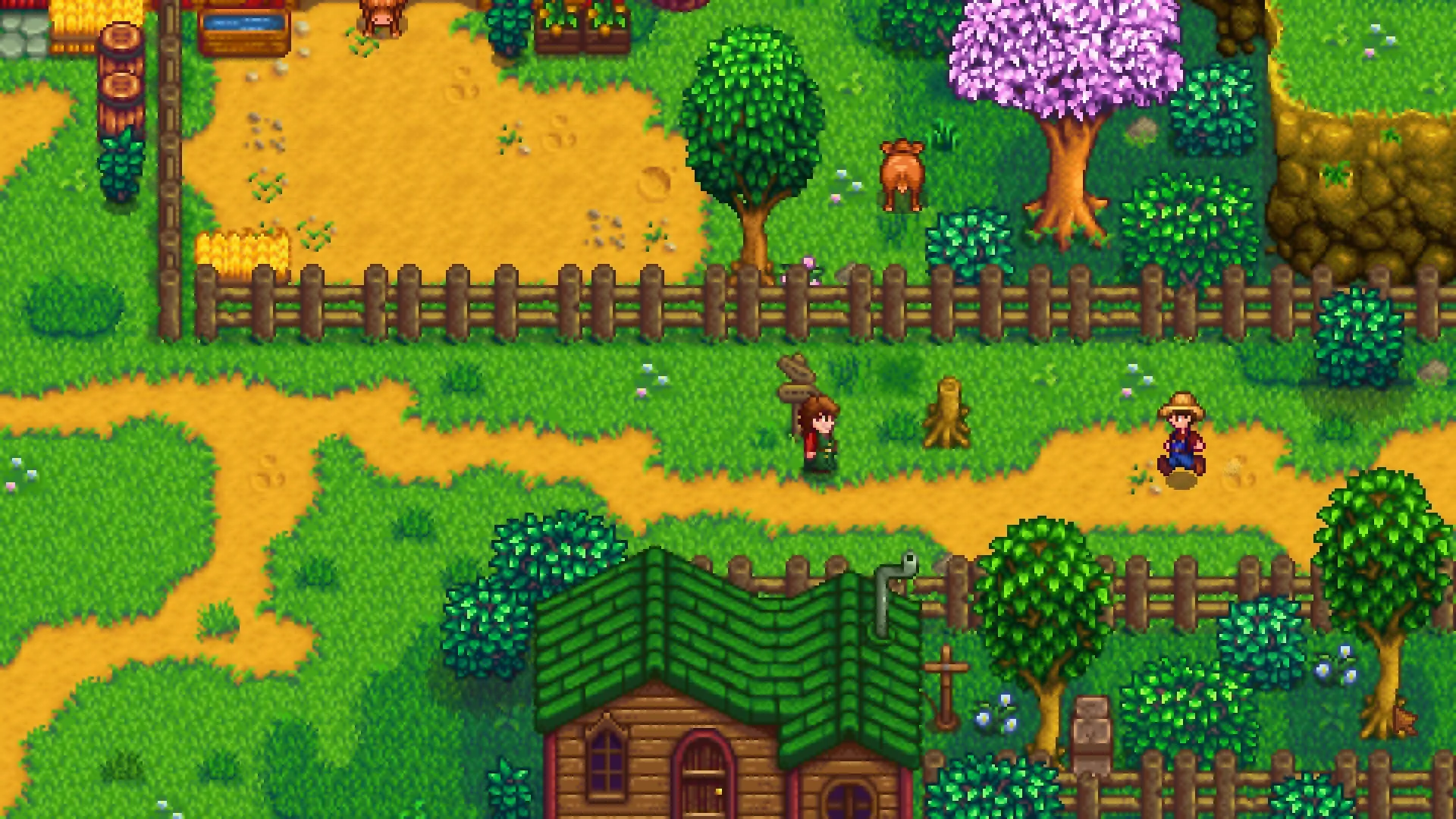
Today, we are there. We have 4K, Ray-Tracing, faces more real than life. And yet... we have never played so many Pixel-Art games or remakes of titles released 30 years ago. In 2026, a game like Stardew Valley or a stylized indie project can spark more emotion than a 200-million-dollar blockbuster.
We discovered that processing power isn't everything. The future wasn't in the number of polygons, but in the artistic direction.
We finally understood that the video game wasn't a simulation of reality, but an interpretation. We reached the top of the technological mountain, only to finally realize that the view is sometimes more beautiful when looking back. It's not the graphics that make us vibrate ; it's the game's soul, its style, and above all, what it makes us feel.
The future is not the one we were sold
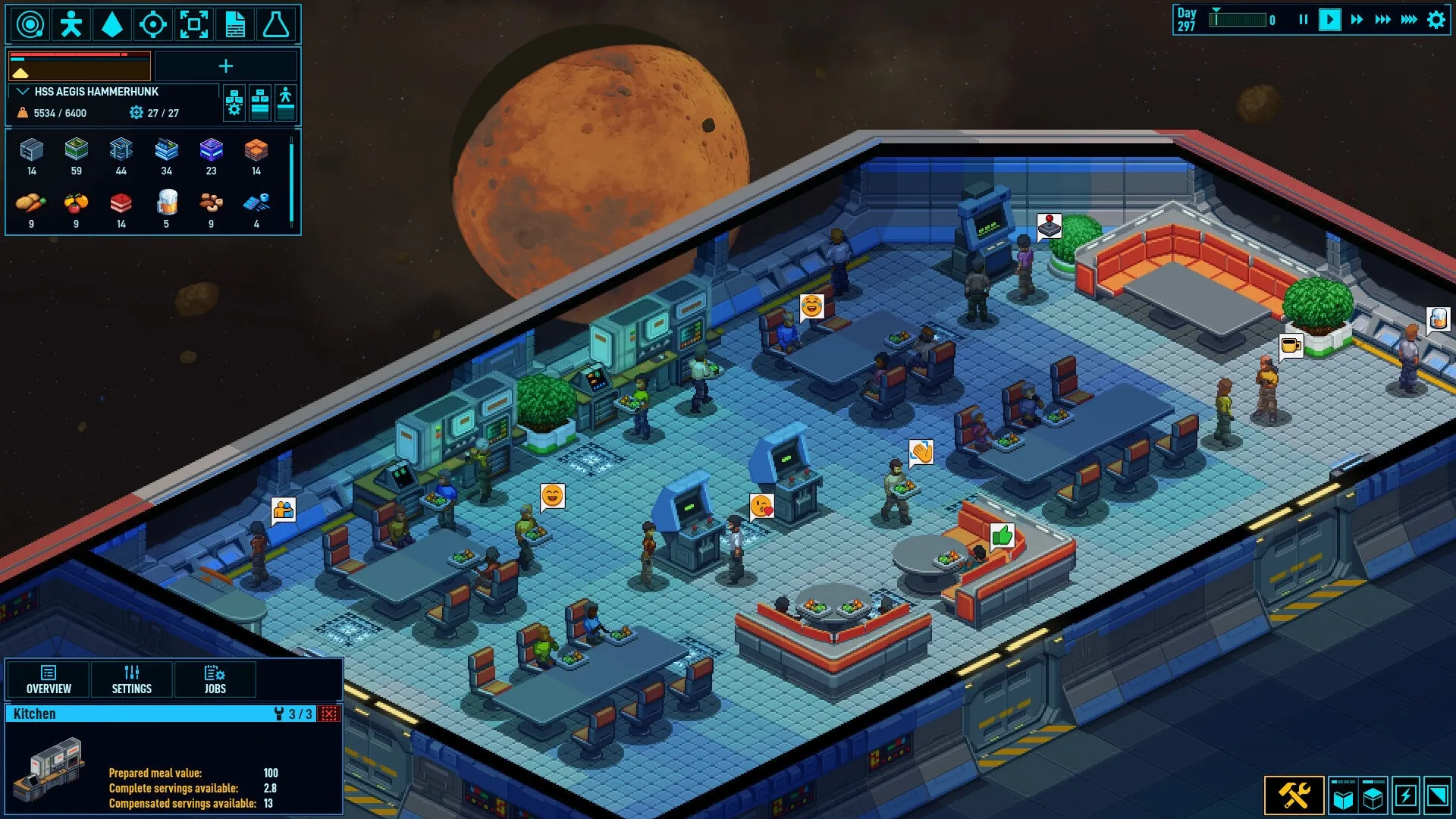
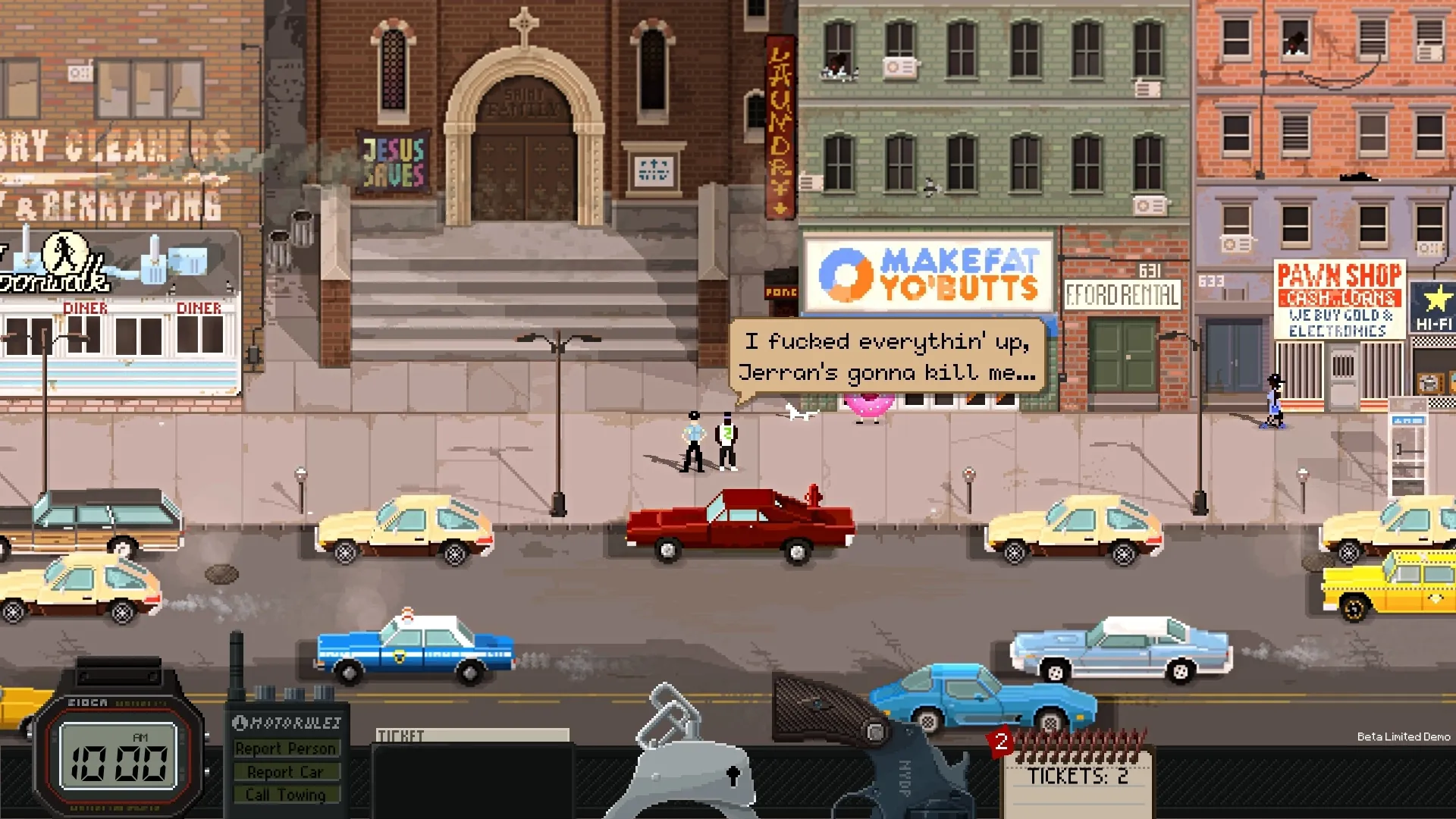
Let's be honest : looking at the picture, the situation could seem almost sad, even a bit ironic. We expected flying cars to free our cities and robots to pick up our trash or build our houses. We sincerely hoped that AI and technology would rid us of thankless tasks, of that physical labor that wears down bodies, to finally leave us time to create.
Yet, the wake-up call in 2026 is quite different. Science fiction sold us a clear pact : the machine for labor, the human for the spirit. We imagined robots in mines, on construction sites, or behind garbage trucks to free up our time so that we humans could dedicate ourselves to creation, art, writing, and leisure. It was the promise of a "society of free time."
Somewhere, I think we fought the wrong battle, because the contract has been reversed : AI tackled what we thought was the sanctuary of the human soul first : drawing, writing, music, design. It "enjoys" creating while the human continues to carry boxes in warehouses or sort waste. Instead of giving us time to create, AI creates in our place. It’s a bit of a bitter realization : we automated poetry before we automated cleaning.
Tomorrow is yet to be invented
But don't pack away your dreams just yet. If the present is different from our predictions, it is not devoid of hope. The "Future" is now, but it's also every second that follows. We can still hope it eventually keeps its promises : cutting-edge medicine capable of repairing what we thought was condemned, or a social model where we would finally work less, to live better.
Perhaps the real revolution of 2026 is this unprecedented temporal fusion. Thanks to digital tech, the "timeline" is erasing itself. We live in an era where we can code with an AI while listening to a 1984 playlist, where we can play the latest "AAA" game in 4K right after a round of NES. We have access to everything, anytime.
Looking back at the 80s and 90s with this touching perspective isn't being "stuck in the past" ; it's keeping that open-mindedness and that capacity for wonder. The future may never be chrome or flying, but if it allows us to keep this link intact with our memories while offering new horizons, then the adventure is worth it, isn't it ?