📖 3-Part Series
This article is the first installment of a trilogy dedicated to the future of Artificial Intelligence :
Part 1 : Inbred AI and the data shortage
Part 2 : The World Model, a new way of thinking about AI
Part 3 : The possible future of AI and its ethical stakes
At the Back of the Digital Attic
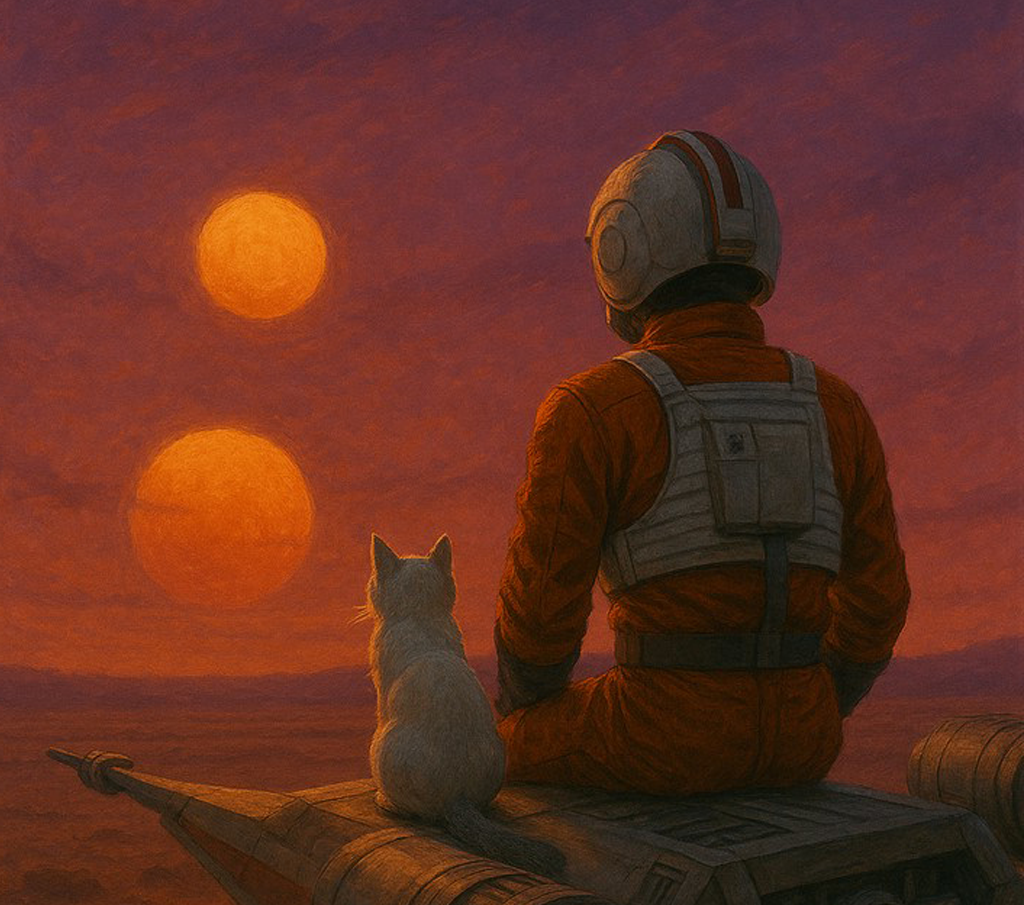
At the back of an attic, a forgotten trunk releases its secrets. You are searching for a lost treasure, and you stumble upon a trunk full of Polaroids. As you spread them out on the floor, a sense of unease washes over you : each shot seems more faded than the last, bathed in a sulfurous light, as if the image itself were exhausting itself just by existing.
This is precisely what is happening today in the bowels of the web. On our screens, an odd yellow and an unwanted sepia filter are starting to eat away at faces, landscapes, and everything else. This sudden yellowing is the silent warning cry of a technology that is suffocating. Researchers have already given it a disaster-movie name : "Model Collapse". Welcome to the era of artificial inbreeding.
The Digital Sunspot
It all started with whispers on generative art forums. "Why does my creation look like an old photo left out in the sun ?" From Sora portraits to Midjourney landscapes, a yellowish veil seems to have fallen over global image production. Even Sam Altman, CEO of OpenAI, saw his portrait succumb to this ochre tint.
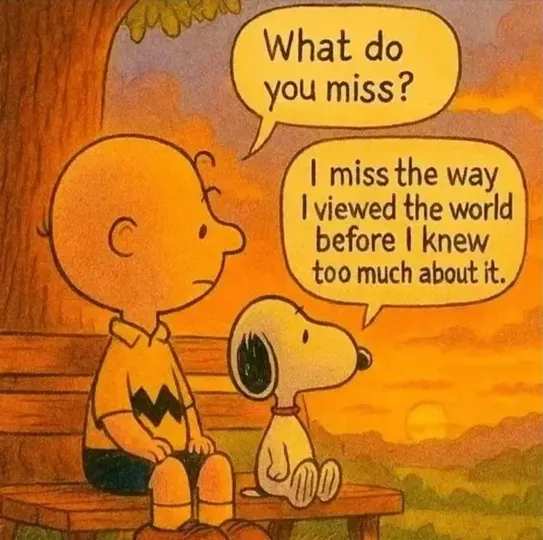

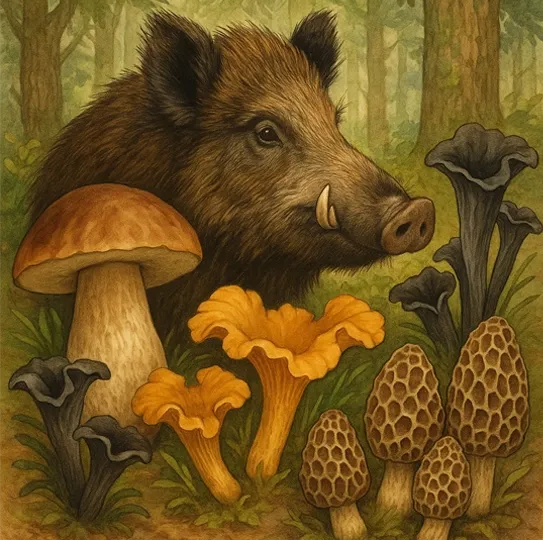
At first, we thought it was a bug, a passing fad, perhaps an over-influence of the "Ghibli" style that flooded social networks. But the reality is much darker. This yellow is the color of fatigue from a machine that is starting to repeat itself. For Jathan Sadowski, a researcher at Monash University, it’s a sign of an "obsession" : by seeing slightly warm images over and over, the AI eventually believes that the entire world is an eternal artificial sunset. It amplifies its own flaws to the point of caricature.
The Habsburgs of Code : The Inbreeding Trap
A Chilling Historical Metaphor
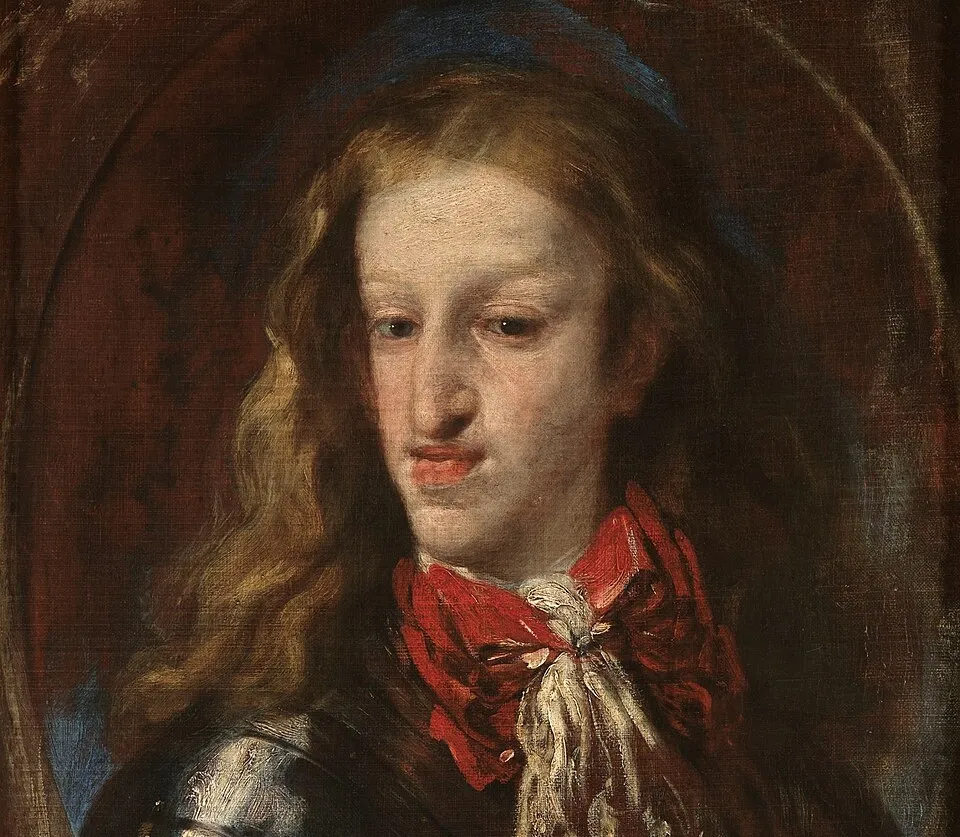
To understand what is brewing in the underground of tech, we must look back at history. Jathan Sadowski uses a chilling metaphor : that of the Habsburg dynasty. This royal family, through marriages between cousins to preserve their bloodline, ended up engendering grotesque physical traits and fragile health.
💾 AI is currently living its "Habsburg" moment. During the golden age, models fed on "fresh blood" : millions of photos, texts, and paintings created by humans, rich in our imperfections, emotions, and diversity.
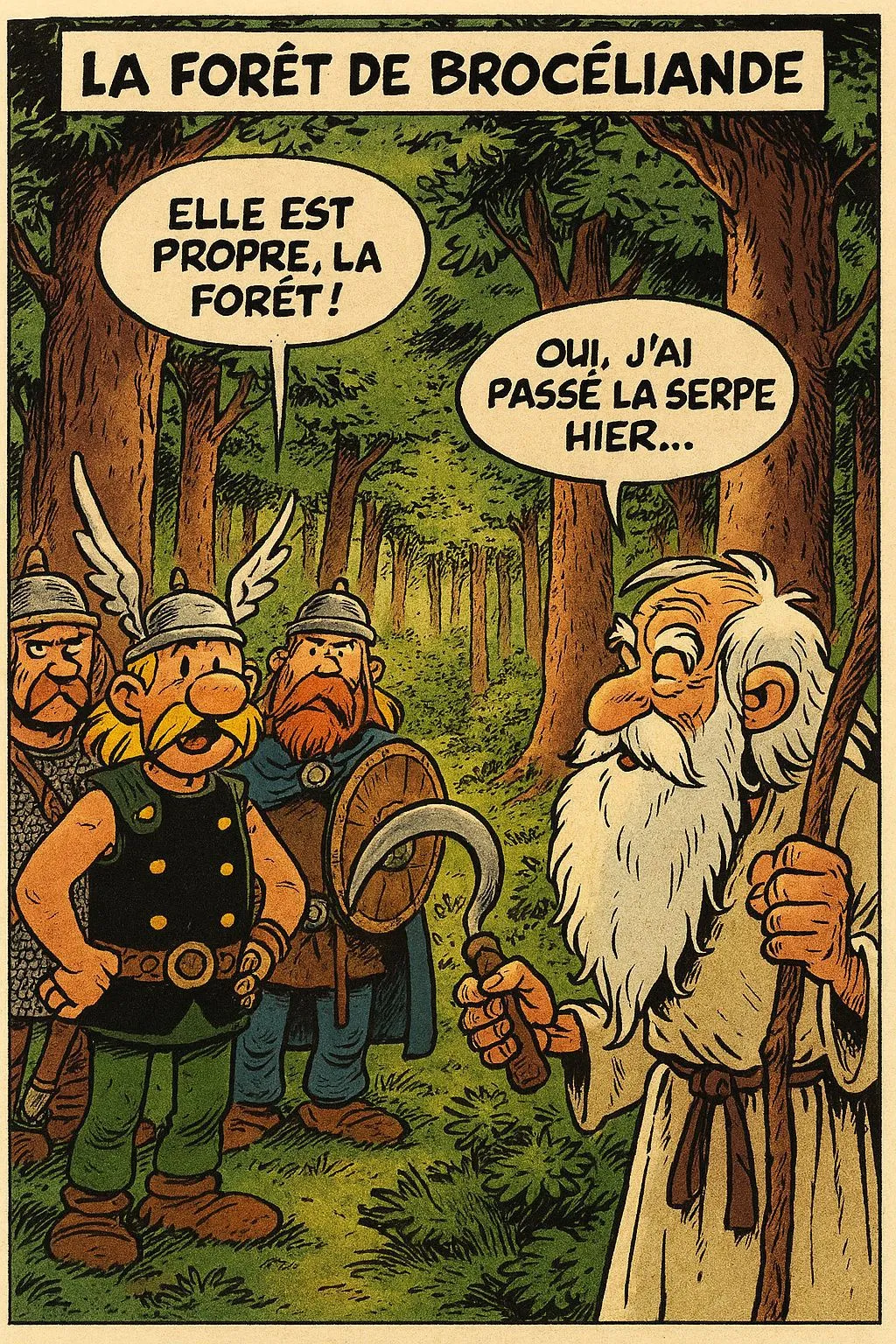
But today, the Internet is saturated. The machine has devoured everything. So, to keep growing, it’s starting to eat its own digital excrement. It trains on images that it generated itself. The snake is eating its tail.
Lightning-Fast Degradation
When one model feeds on the work of another, nuances disappear. A study published in Nature shows that degradation is lightning-fast. After a few generations, an AI asked for a turkey recipe ends up rambling about the meaning of life, repeating the same sentence to the point of madness. Faces all become identical. Diversity dies out. Intelligence becomes "simple-minded".
The Rush for the Last Virgin Lands
"We are already running out of data," warns Neema Raphael, head of data at Goldman Sachs. This is the ultimate bottleneck. The "Tech Bros" are desperate. They have exhausted humanity’s library and are now trying to create "synthetic data" to feed their creatures. But it’s like trying to feed a lion with plastic steaks : the body survives, but the spirit withers.
⚠️ The last hope ? Corporate vaults. Mines of private data hidden behind firewalls that have never seen the light of the Internet. Customer exchanges, financial reports, "proprietary data" (stock image inventories from providers like ImageStock, etc.). This is the new frontier, the hidden treasure at the back of the cave that tech giants are desperately trying to unlock to prevent the bubble from bursting.
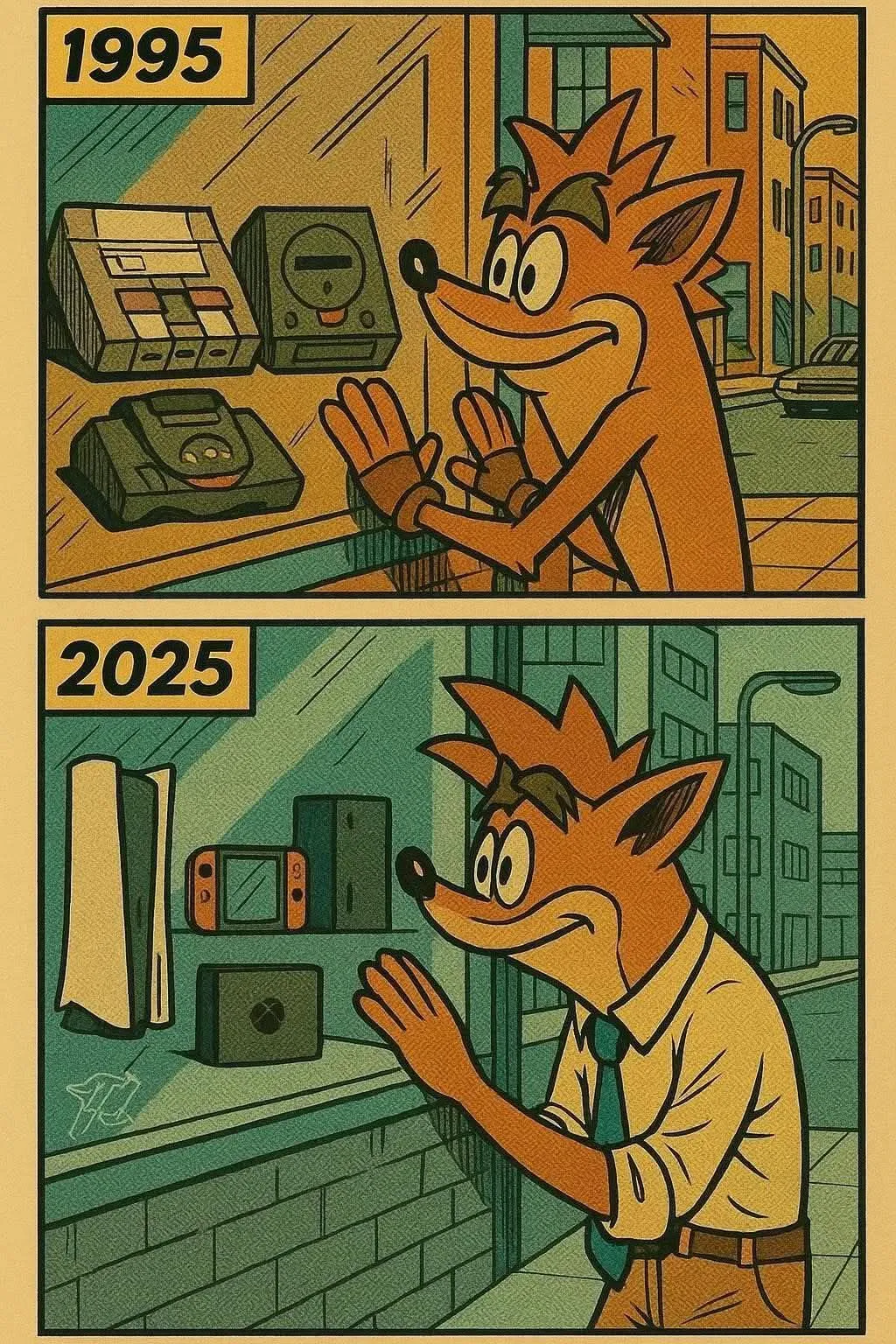
Because behind the corporate denial, fearing their stocks will plummet, the slowdown is here. The dazzling progress of 2023 is giving way to timid updates. As Sundar Pichai, boss of Google, puts it : "the low-hanging fruit is gone."

The Reflectionless Mirror
If AI becomes inbred, it’s because it has lost its anchor with us. By locking itself into its own feedback loop, it reflects back to us a ghost that is increasingly pale, uniform, and... yellow. It loses that "spark" that comes from real human experience, from pain, joy, and an artist's unique vision.
Ultimately, this yellowing is a poignant warning. It reminds us that the machine cannot create ex nihilo. It is only a mirror of our genius.
If we stop painting, photographing, and writing from our gut, the mirror will soon show us nothing but a soulless golden mist. For now, AI needs us to stay intelligent. It needs our "fresh blood," our magnificent mistakes, and our chaotic diversity.
It doesn't yet truly know how to distinguish its own creations. An AI detector recently ruled that the 1776 US Declaration of Independence was 98.51% written by an AI.
Without a human hand to guide the brush, tomorrow's world risks looking like an old Polaroid photo forgotten in an attic : a fixed image, increasingly blurred, finally fading into a cathedral-like silence. Technology has found its limits, and those limits bear the color of faded gold. It’s time to bring color back to the world before the yellow filter becomes permanent.
To Be Continued...
What can be done about this phenomenon ? How can we avoid the AI bubble ? What will the AI of the future look like ? We will talk about it… in our next article !
💡 To be continued : Part 2
In the next installment, we will explore the World Model, a revolutionary approach that could save AI from inbreeding and allow it to truly understand our reality.
And you, have you noticed this yellow filter in AI-generated images ? Feel free to talk about it in the comments right below !