When the Dream Fractures : Betrayal, Paranoia, and a Race Against Time Inside General Magic
Late 1992. If you were with me for the first part of our journey, you surely remember the immense thrill running through Silicon Valley. General Magic had just sealed the Alliance of Titans. With heavyweights like Sony, Motorola, and AT&T backing them, the young startup was preparing to launch its rocket. Everyone wanted in. The future seemed clear, bright, and unstoppable.
Yet, the history of technology has its own dark side. Foundations often begin to crack right when we feel invincible. Behind the scenes in Mountain View, creative fever would soon collide with the most violent doubts.
The Hive of the Enfants Terribles
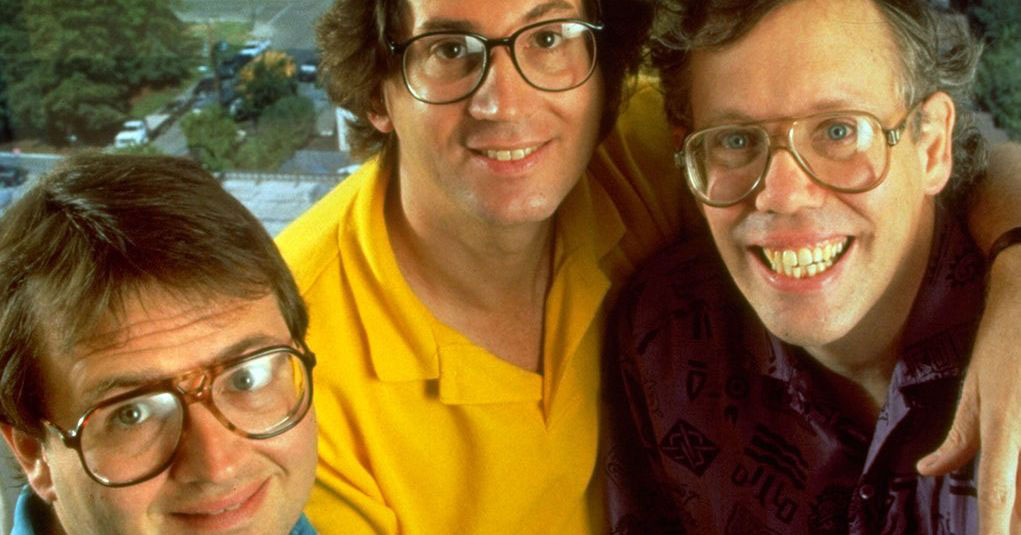
Working at General Magic in the early 1990s was a total experience. The workspace was designed to shatter traditional corporate rules. In the hallways, engineers moved around in shorts, walking barefoot or riding on rollerblades, while a rabbit, the official house mascot, regularly hopped through the offices. Usbek & Rica magazine perfectly recalls this quote from Marc Benioff (founder of Salesforce), a witness to that era :
“It’s the most important dead company in Silicon Valley that no one has ever heard of.” Marc Benioff, founder of Salesforce
An incredible concentration of talent gathered within this unique setting. Alongside Macintosh legends stood a new generation of hyper-driven young minds.
- Tony Fadell : The kid of the team, hired after relentlessly bothering the front desk. He spends his days and nights designing the hardware architecture for future devices.
- Andy Rubin : A brilliant engineer with a passion for robotics, even programming robots to navigate from room to room.
- Pierre Omidyar : A quiet developer who uses his spare moments at the edge of a desk to code a personal tool. This online auction system would later be named AuctionWeb, the direct ancestor of eBay.
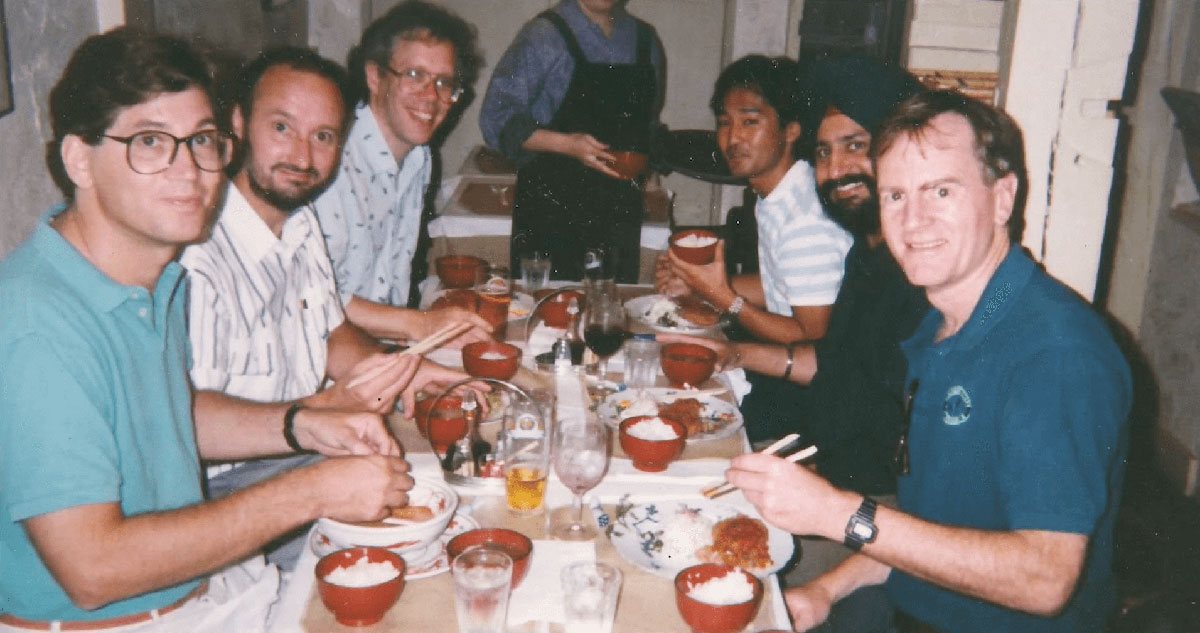
For these boiling minds, the concept of work hours exploded. Workweeks regularly hit 120 hours. The obsession with delivering the Magic Cap software and the Telescript network was so intense that employees refused to go home. Facing this situation, management took a radical step : they installed bunk beds right in the middle of the workspaces. The creative utopia became a hive that never sleeps. Tony Fadell later confirmed this madness in remarks reported by Usbek & Rica :
“We gave our lives to it. We didn’t sleep, we didn’t have families, we didn’t have anything. It was the absolute center of our universe.” Tony Fadell
💾 Bunk beds in the office. In 1992. Before it became the classic tech startup cliché. These people lived it for real because they truly believed. It is beautiful, and a little dizzying at the same time.
The Art of Inventing from Scratch
Driven by this permanent urgency, the engineers achieved technical miracles every day. Since the world of 1992 lacked the tools required to bring the Pocket Crystal to life, the team crafted them by hand.
This was the era when Andy Hertzfeld realized that text messages deeply lacked humanity. He sat down at his console and drew the very first animated icons designed to express emotions from afar : the ancestors of our modern emojis. At the exact same time, teams engineered interactive screens capable of reacting instantly to a stylus, laid down the groundwork for SIM cards to identify users, and conceptualized a remote storage space accessible from anywhere. They were placing the first building blocks of our contemporary cloud.
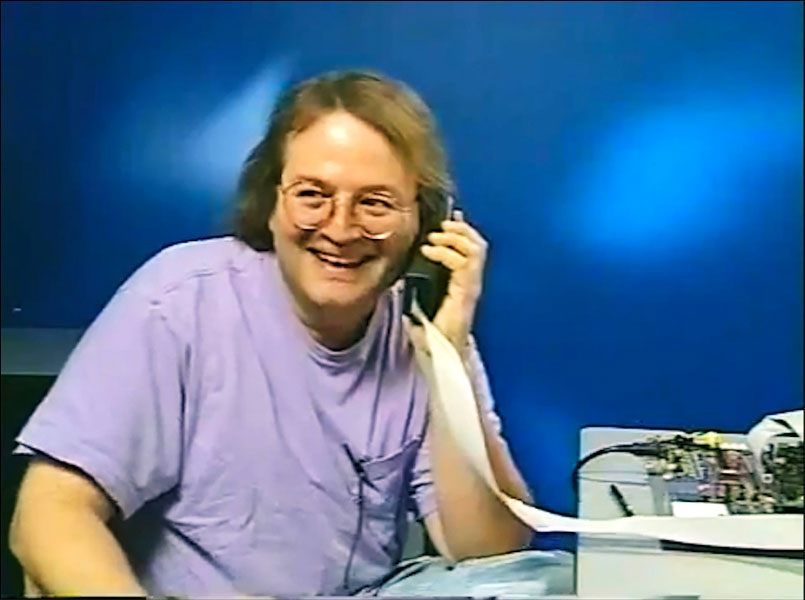
🕹️ Magic Cap and Telescript : Magic Cap was the operating system of the device, designed to be intuitive and visual long before modern touch interfaces. Telescript was the network language engineered to move data between remote devices, a direct vision of what we now call cloud services.
The Knife in the Back from Cupertino
While the team exhausted themselves designing this new world, an event would brutally shatter their harmony. The threat emerged directly from the heart of their own structure.
John Sculley, the CEO of Apple, held a central seat on General Magic's board of directors. He knew the secrets of the project, watched Susan Kare's graphic interfaces develop, and followed every strategic advancement.
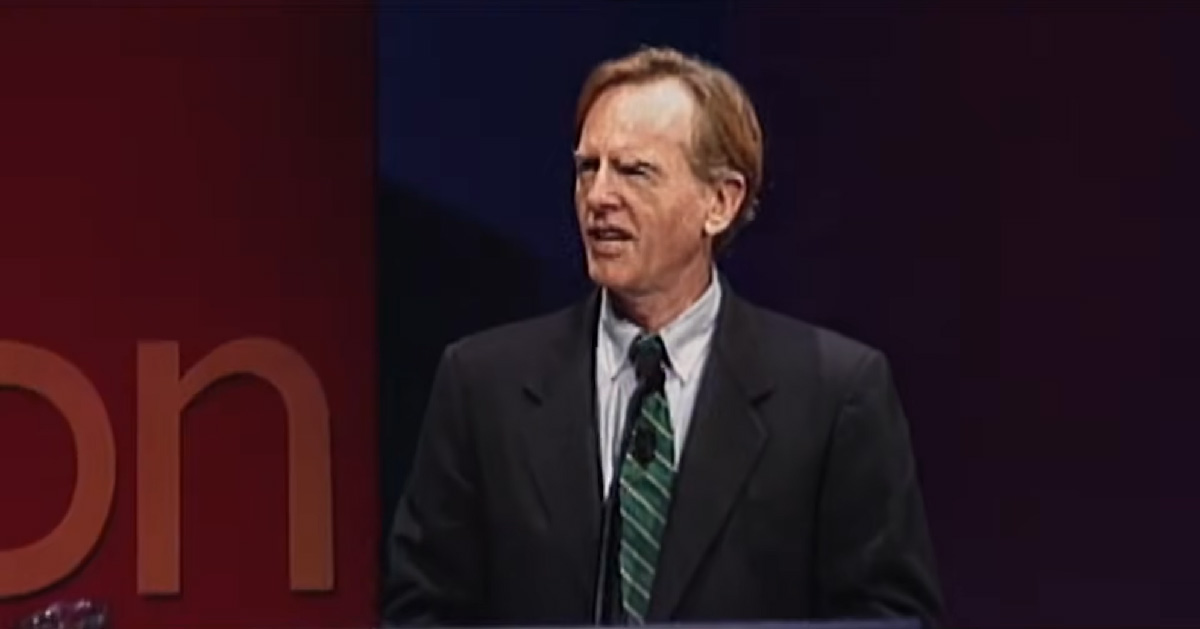
January 1992, Consumer Electronics Show (CES) in Las Vegas. John Sculley takes the stage for a highly anticipated industry keynote. Under the spotlights, he pronounces an acronym destined for fame for the very first time : the PDA (Personal Digital Assistant). Right after, he reveals Apple's secret project to the world : the Newton. A pocket-sized, touch-screen, connected device built for notes and messaging.
In Mountain View, the shock is absolute. The engineers at General Magic receive no internal memo, no courtesy call. They witness the betrayal live on screen, watching their own investor publicly plunder their work to capture the market first. For Andy Hertzfeld, Bill Atkinson, and the Apple alumni, the pain is deeply personal. It marks the brutal end of innocence.
“It was a complete betrayal. John Sculley was our protector, he knew everything we were doing, and he used our ideas to create a rival within Apple.” General Magic Team Testimony
The Fortress and Paranoia
Overnight, the atmosphere in Mountain View shifts. Carefree creativity gives way to a climate of constant surveillance. The startup barricades itself.
⚠️ The Shift : Open doors and free access are replaced by security badges and restricted zones. Shared whiteboards are systematically erased after every single meeting. The culture of benevolent secrecy turns into collective paranoia and widespread suspicion.
The nature of the pressure changes. The Alliance of Titans begins to show impatience. Sony and Motorola have committed massive financial investments and demand to see functional prototypes leave the labs. AT&T pushes to finalize communication protocols.
Engineers redouble their efforts under the office neon lights, surrounded by empty coffee cups and camp beds. Exhausted and staring at CRT monitors, the team refuses to give up. Tony Fadell and his peers throw themselves into a frantic race against time to stabilize their technology and beat Apple's commercial release.
The 1994 Deadline
By early 1994, the race is nearing its end. At the cost of considerable human sacrifice, General Magic managed to survive the storm. The systems are ready, and the first physical devices are finally rolling off the production lines. The company prepares to step onto the public stage to prove the worth of its vision.
Yet, while the team focuses entirely on its duel with Apple, an immense wave is building outside, far from Mountain View. An invisible technological revolution that no one inside the startup saw coming.
To be continued : Part 3, 1994-1995. The Wall Street illusion, and the collision with reality.
And what about you? Had you ever heard of the Apple Newton? Does this story of betrayal surprise you, or does it feel like a classic tech industry tale? Let me know in the comments.
Frequently Asked Questions About General Magic Part 2
What is the Apple Newton, and how does it connect to General Magic?
The Newton is a handheld touchscreen device unveiled by Apple at CES in Las Vegas in January 1992. Its concept is tied directly to the work of General Magic, as John Sculley sat on the startup's board and had access to all its progress. General Magic engineers experienced this announcement as a total betrayal, discovering the project live without any prior warning.
Who was Megan Smith at General Magic?
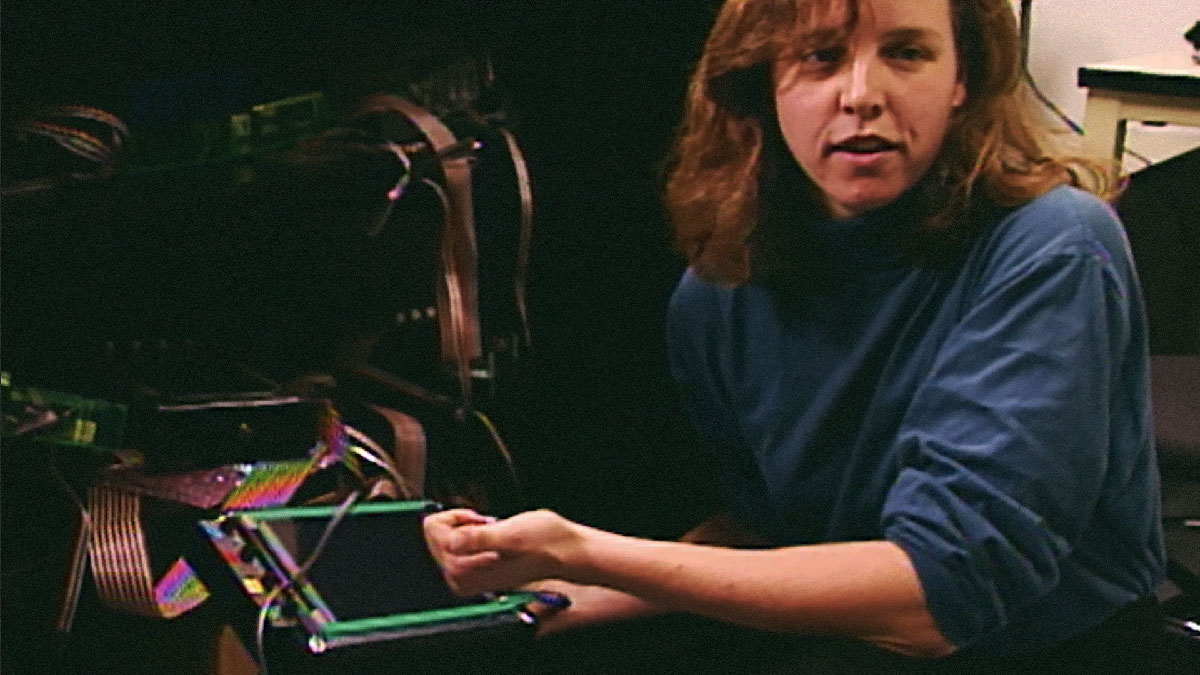
Megan Smith was an engineer at General Magic, where she worked on developing the Magic Link. She is one of the iconic talents gathered by Marc Porat in the Mountain View offices during the early 1990s.
What are Magic Cap and Telescript?
Magic Cap was the visual, touch-based operating system developed by General Magic for its personal device. Telescript was the network language designed to route data between remote devices, serving as a pioneer vision for what we now call cloud computing. Both technologies sat at the core of the Pocket Crystal project.
Why did General Magic fail despite its innovations?
Apple's betrayal was one of the first blows dealt to General Magic, but it wasn't the only one. The rest of the story, including investor pressures, development delays, and the sudden rise of an unexpected technological revolution, will be uncovered in the upcoming parts of this deep-dive series.
Where can I learn more about the history of General Magic?
The documentary General Magic (2018) remains the most complete source on this human and tech adventure, available on several streaming platforms. The first part of our series covers the project's origins from 1989 to 1992.
💡 Join the community!
Want to talk tech, Silicon Valley history, or share your pop culture favorites? Join us on the Little Big Campus Discord 👾