A Growing Ecosystem : Arcade Hits and External Authors
Mystery House wasn't the young company's only title ; On-Line Systems also published small action games (SkeetShoot, TrapShoot) and opened its doors to external talent. At the West Coast Computer Faire, Ken spotted 19-year-old John Harris, whose prototype would become Jawbreaker (a sort of Pac-Man clone, but with vertical movement across horizontal platforms). It became a hit on Apple II and Atari 8-bit. These encounters revealed a clear strategy : publishing internal creations (Roberta) while scouting and supporting independent talents. This diversified the catalog and fueled commercial growth.
Growth, Expansion… and the Shock
The success story was built rapidly. In 1982, the company changed its name to the famous "Sierra On-Line" : the label now represented an expanding catalog. Ambitious titles followed : Wizard and the Princess (a first attempt at color for the IBM PC), Ulysses and the Golden Fleece, and Time Zone (a "micro-epic" distributed on six floppy disks featuring over 1,300 color images !). The creative ambition was undeniable : producing longer, denser, and more graphic adventures.
⚠️ Unfortunately, markets are cyclical. The video game crash of 1983 hit the consumer sector hard, leaving Sierra with unsold stock and shaken investor confidence. The company briefly hesitated between selling (Activision reportedly offered one million dollars) or taking on debt to maintain control ; Ken and Roberta chose independence, even if it meant taking massive financial risks.

IBM, AGI, and a Technological Turning Point
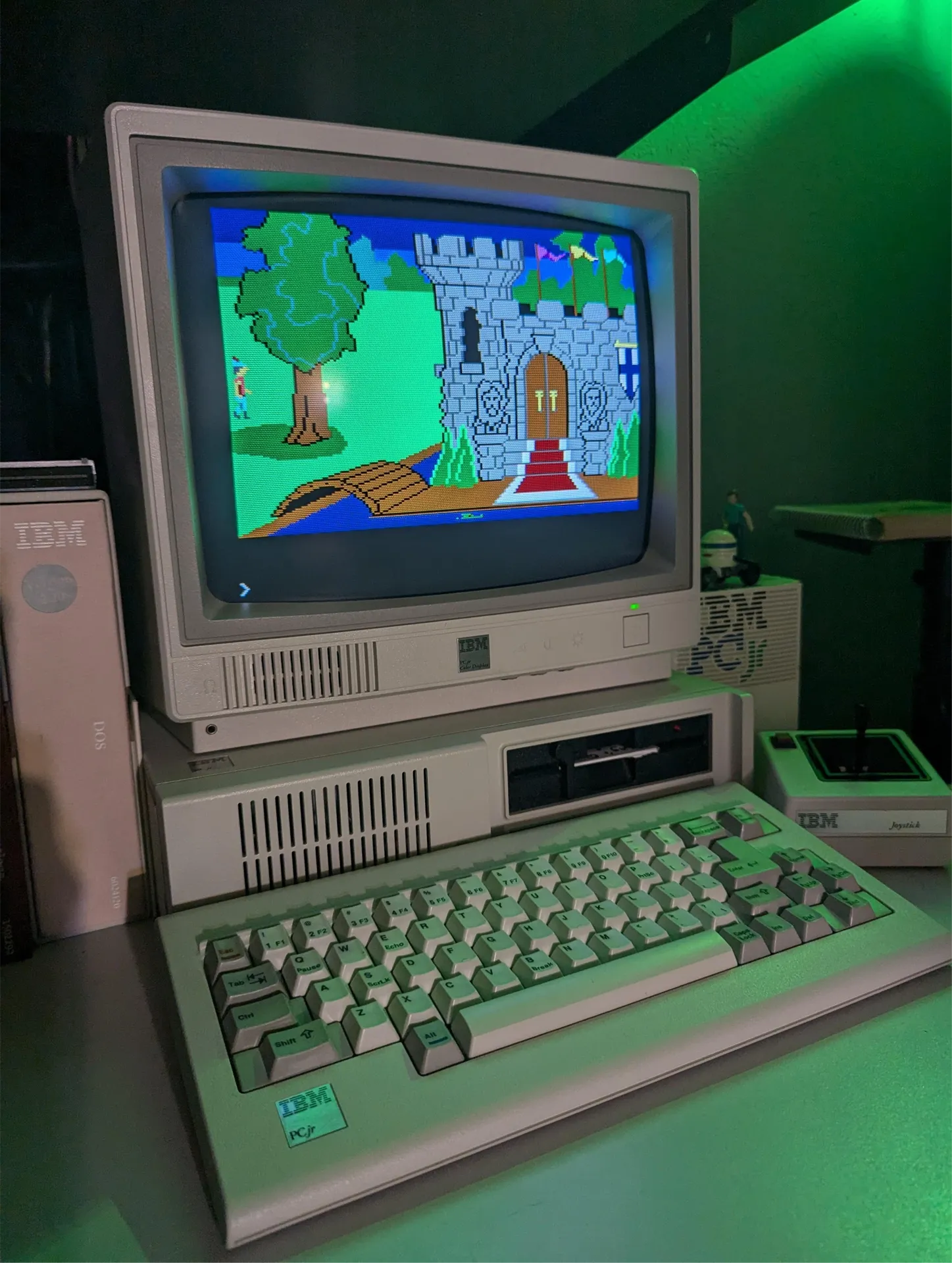
This is when IBM entered the picture. In 1983, IBM was looking for titles to showcase its microcomputer ambitions (the PCjr, codenamed "Peanut"). With Sierra facing financial strain from the crash, a deal was struck : IBM would fund Sierra with $700,000 to develop a new graphics engine. The result was the Adventure Game Interpreter (AGI), an engine that allowed characters to move across drawn backgrounds with pseudo-depth created by horizontal bands.
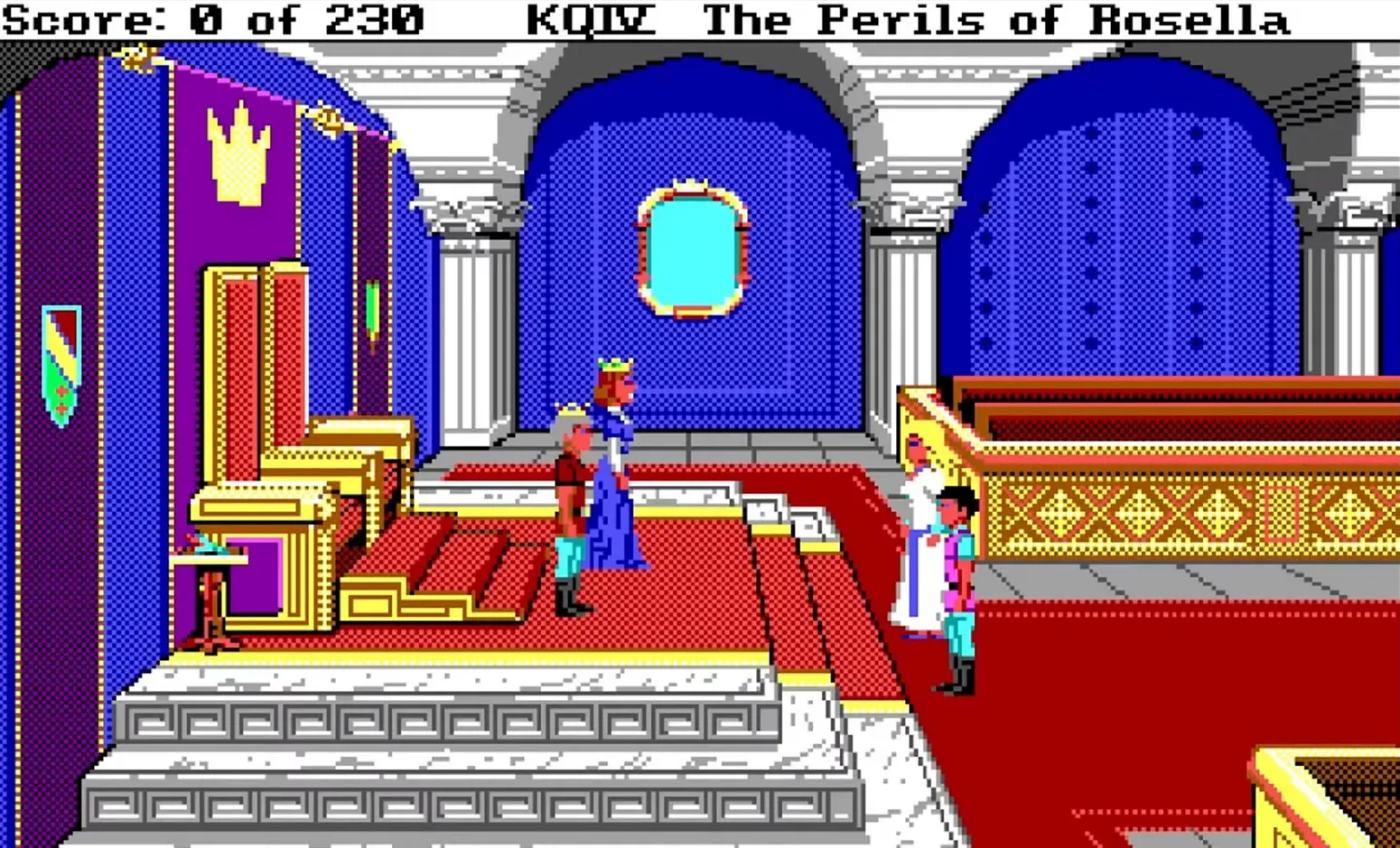
This effort gave birth to King's Quest (1983), designed by Roberta and programmed by Ken and their team. King's Quest, which would become a massive franchise, was designed as both a technical and narrative showcase : colorful scenes (for the time), an animated character moving through approximately 80 screens, and interaction more fluid than a simple text command system. The game was initially built to demonstrate the capabilities of the PCjr.
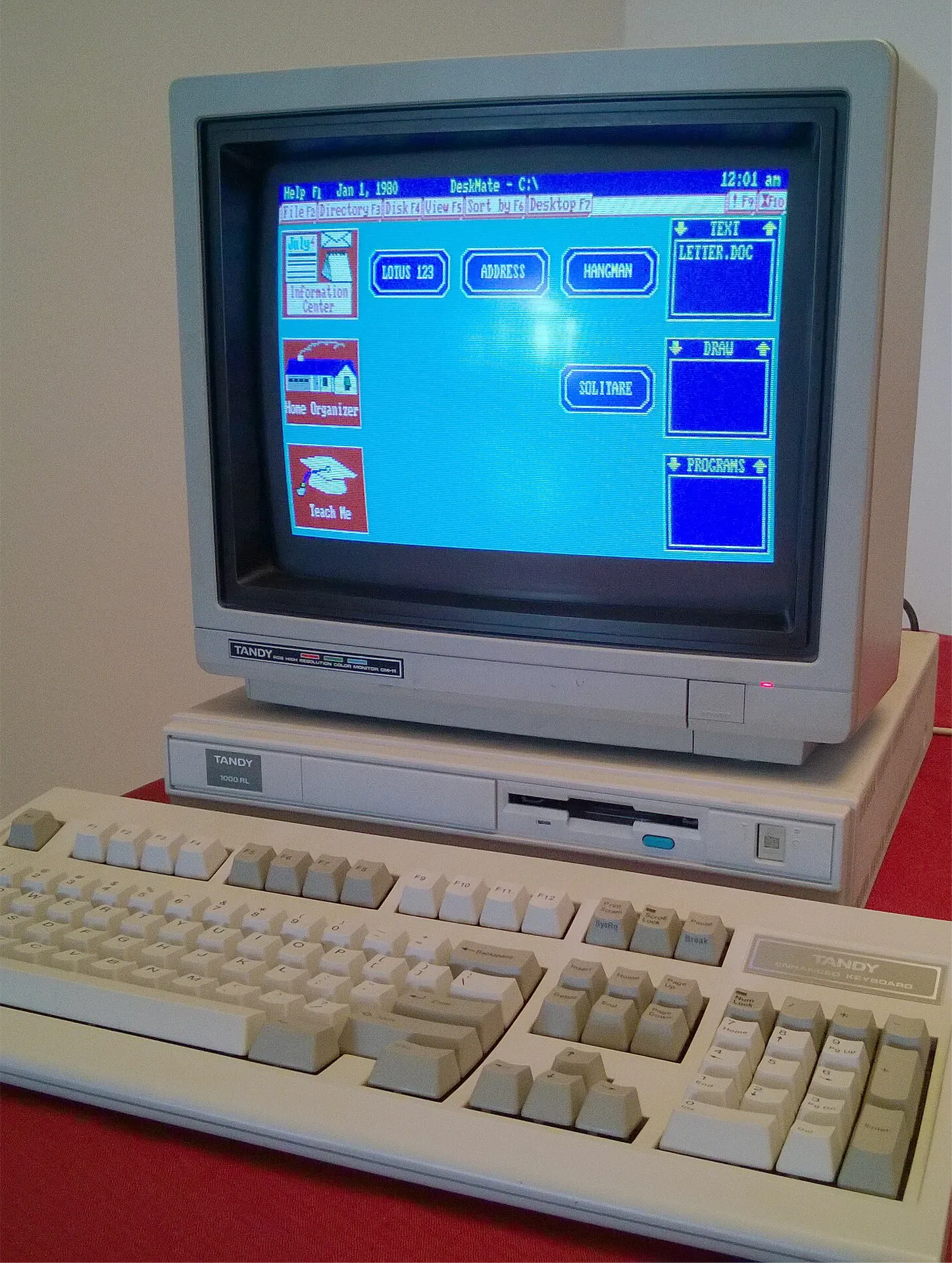
But… the adventure was twice as risky : the PCjr struggled on the market (keyboard issues, limited adoption), and its commercial failure jeopardized the profitability of King's Quest. Fortunately for the couple, compatibility with other machines (notably the Tandy 1000) and successful ports allowed for a comeback : King's Quest became a permanent fixture on store shelves and changed everything for Sierra.
Step by step, the dream took flight.
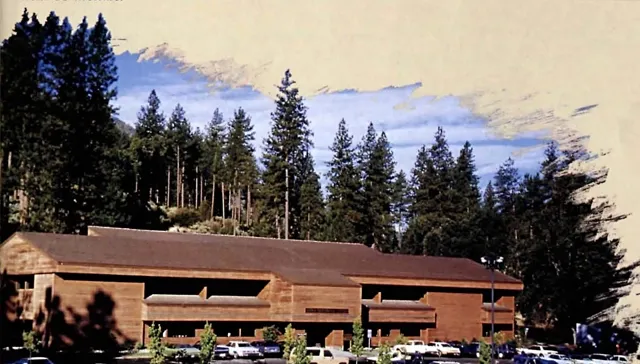
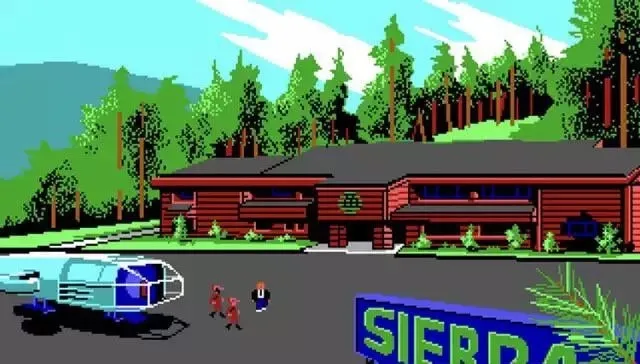
The commercial success of these early years transformed the small family business into a studio with dedicated roles, new recruits, and project coordinators (like Bob Davis on Ulysses). Growth was visible in the numbers : Sierra reported revenues of about $10 million in the early 80s, and the team expanded. The offices moved to Oakhurst, California, near Yosemite National Park, reflecting a desire for local roots rather than an urban setting. The staff grew from a few dozen to several dozen employees by the mid-80s.
King's Quest : The New Standard
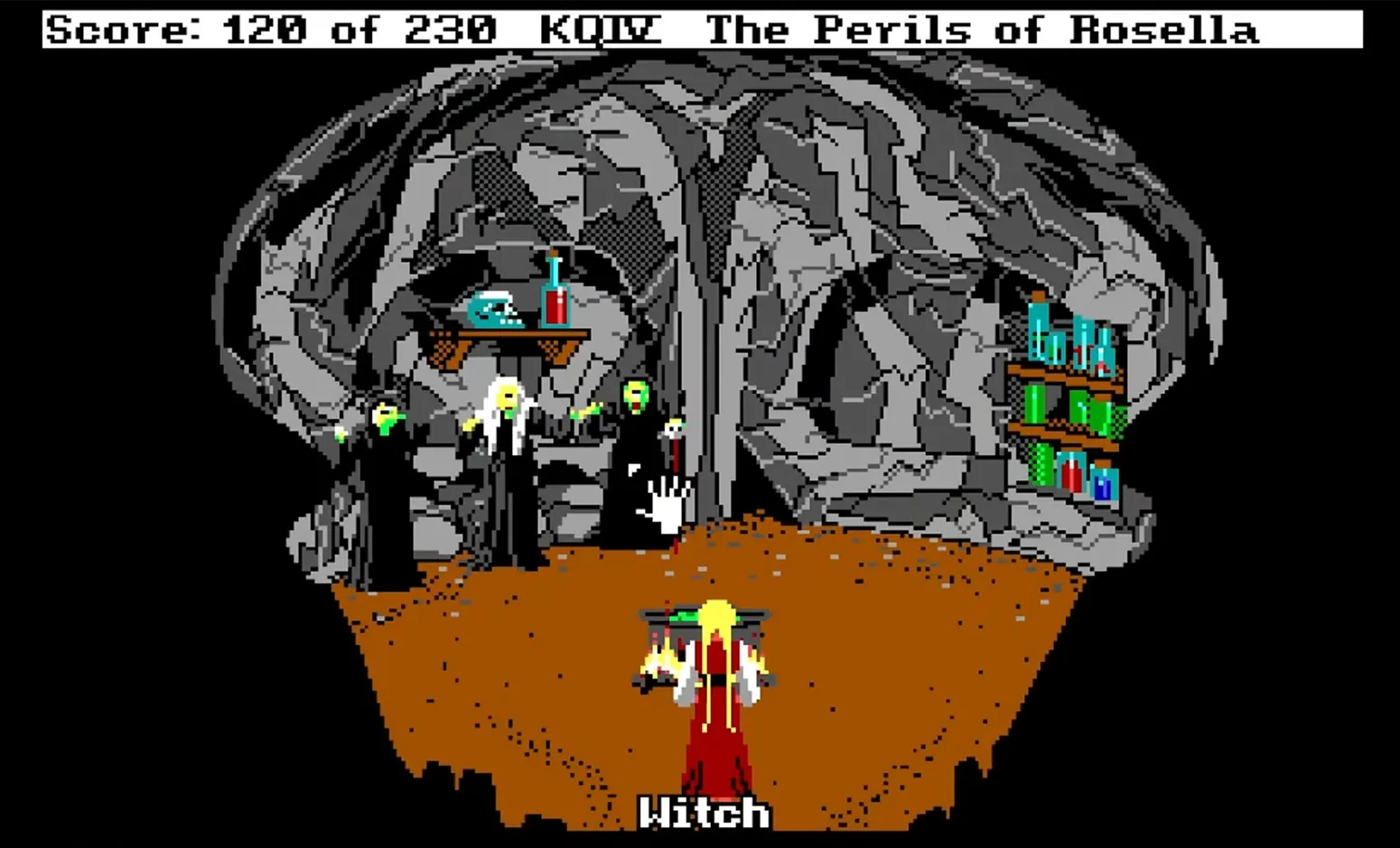
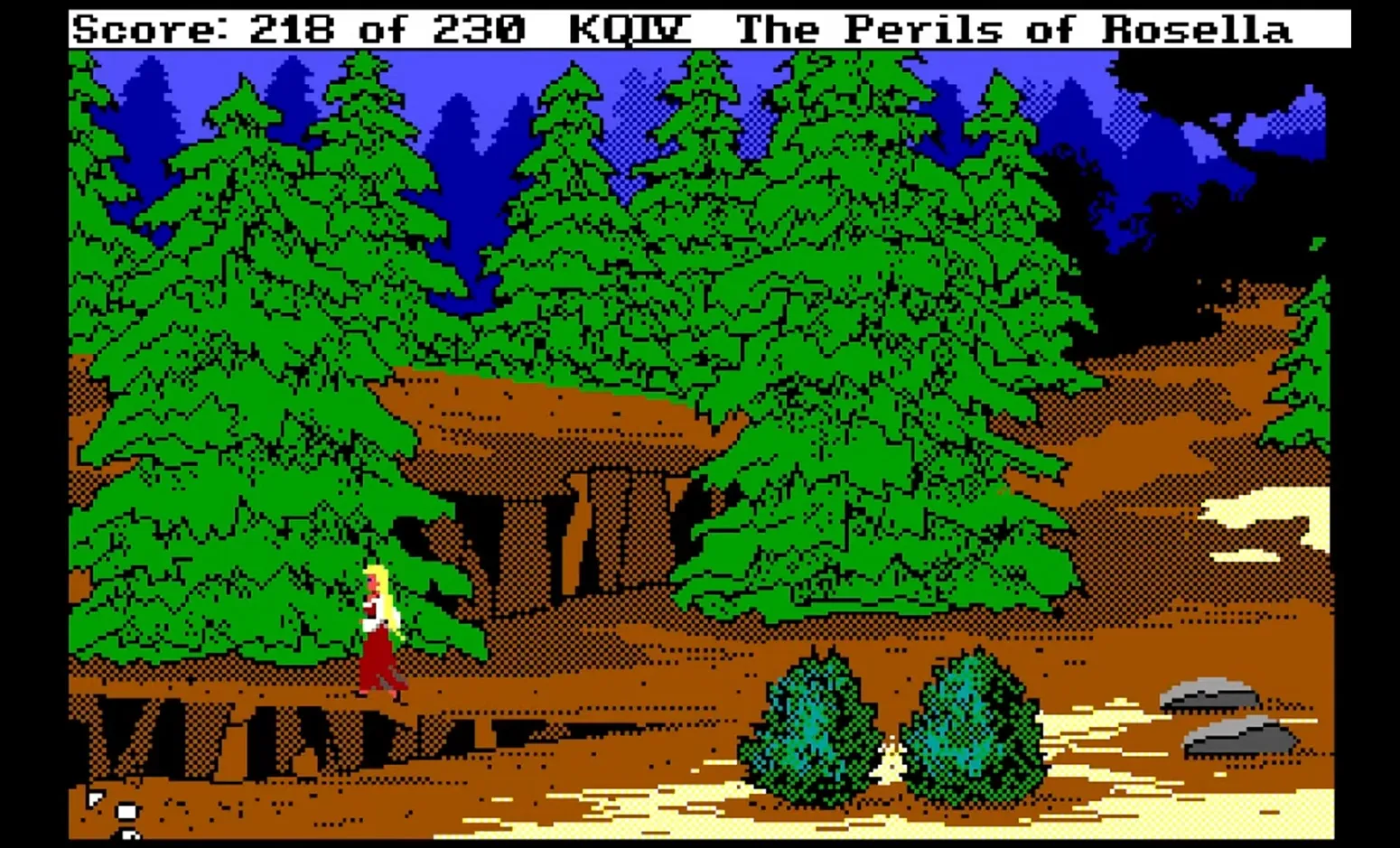
Let’s return to King's Quest, as it deserves closer attention. It wasn't just a series ; it was a way of designing adventures. Roberta mapped out the world’s topography, wrote the scripts, and supervised the music. Ken and the team handled the technical side. The character we control, Sir Graham, and the kingdom of "Daventry" would become a franchise : seven sequels followed, defining Sierra’s DNA—polished text, progressive graphics, humor, fantasy, and demanding puzzles.
The King's Quest saga also illustrates Sierra’s obsession with technical progress : in 1988, the Sierra Creative Interpreter (SCI) arrived, replacing AGI and allowing richer interactions, mouse support, increased colors, and complex musical scores (King's Quest IV featured an orchestral composition by William Goldstein). Adventure games became more cinematic, and Sierra became more industrial.
Epilogue : An Untamed Appetite
At the end of this genesis, everything becomes clear. We’ve followed Ken and Roberta from their California living room to the first fan letters, from hand-copied disks to the AGI gamble and the triumph of King's Quest. We saw them small, fragile, almost artisanal — two lovers surrounded by boxes and innovative machines… then suddenly, essential. The games we’ve discussed were the steps, one by one, toward a studio that would stop being a mail-order name and become a pioneer capable of setting global standards.
Because at this precise moment, Sierra was no longer a happy accident. It was the meeting point of two worlds never destined to cross : an alliance of story and code, of poetry and machine language, of Roberta the dreamer and Ken the engineer.
A dynamic so simple, so human, that it seems almost too good to be true, and yet, it changed the history of video games.
This first episode ends here, just as everything accelerates. The titles we’ve explored belong to an era I didn't live through, games that predated my generation, almost mythological artifacts whose worn boxes and dusty screenshots I only knew through the passionate tales of those who were there. But what comes next… what comes next, I lived through. This is where the universes that forged my imagination begin, where the worlds that shaped my culture as a player open up : the dogfights of Red Baron, the city planning of Caesar II, the pyramids rising in Pharaoh, and later, the creative explosion of a certain Half-Life…
And if there are games that left a mark on you, feel free to share them in the comments right below !
The adventure continues : Sierra On-Line : Diversification, CD-ROM, and the First Cracks (Part 3) →