After the Shipwreck : How the Debris of General Magic Rebuilt the Entire World
The year 1996 marks the end of the utopia. In Mountain View, silence has replaced the frantic humming of servers and the laughter of engineers rollerblading down the hallways. The bunk beds are dismantled. Investors have withdrawn, products are gathering dust in warehouses, and the World Wide Web revolution has swept away the dream of the proprietary Telescript network we recounted in the previous part.
The fall of General Magic is an industrial tragedy, coupled with a deeply intimate and devastating human collapse.

The Vertigo of the Fall and the Crossing of the Desert
For the men and women who formed this "Dream Team", the awakening is cruel. They had sacrificed their nights, their family lives, their mental health, and their youth to breathe life into what was supposed to be the future of humanity. The public's lack of understanding and the violence of the market leave them completely drained.
The pain of failure is profound and intimate. Many of these brilliant minds plunge into a genuine period of professional mourning and distress. There is real trauma in having touched an absolute technological truth twenty years ahead of everyone else, only to be rejected by history.
The years following the shipwreck of the Sony Magic Link feel like a painful wandering. The team scatters, orphaned from their shared vision. Some isolate themselves, others temporarily change career paths, convinced they have burned their wings forever. They carry the weight of a crushing defeat, the regret of a sensational IPO that ended in a crash. It will take them many long years to heal, to process the bitterness, and above all, to start believing again.
💾 What moves me about this period is that these people were absolutely right. They had worked incredibly hard. They were simply right too early. And that is perhaps the hardest form of failure to carry.
The Rebirth : When Every Fragment Rebuilds the World
Time eventually did its work. The creative energy, the visionary madness, and the technical standards learned through hardship at General Magic had never disappeared. They were merely dormant. The trajectory of this group is almost miraculous : upon separating, it is as if each member took a fragment of the grand initial project with them, to develop it, perfect it, and finally bring it to completion.
🕹️ What follows is, to my knowledge, the most dizzying list of individual destinies ever to emerge from a single startup.
Marc Porat, the Initial Visionary

After taking the necessary time to rebuild himself following the end of General Magic, he dedicated his conceptual genius to the planet. He founded three clean tech companies to actively fight against climate change, along with a political action committee dedicated to fighting extremism.
Tony Fadell, the Builder of Mobility

Becoming a New York Times bestselling author with his landmark book Build, the "kid" of the team joined Apple to design the architecture of the iPod before co-inventing the very first iPhone. He then founded Nest Labs, hiring many General Magic alumni and their own children, before selling the company to Google for 3.2 billion dollars in 2014. Through his firm FutureShape, he currently coaches and supports hundreds of startups across the globe.
Andy Rubin, the Architect of the Universal System
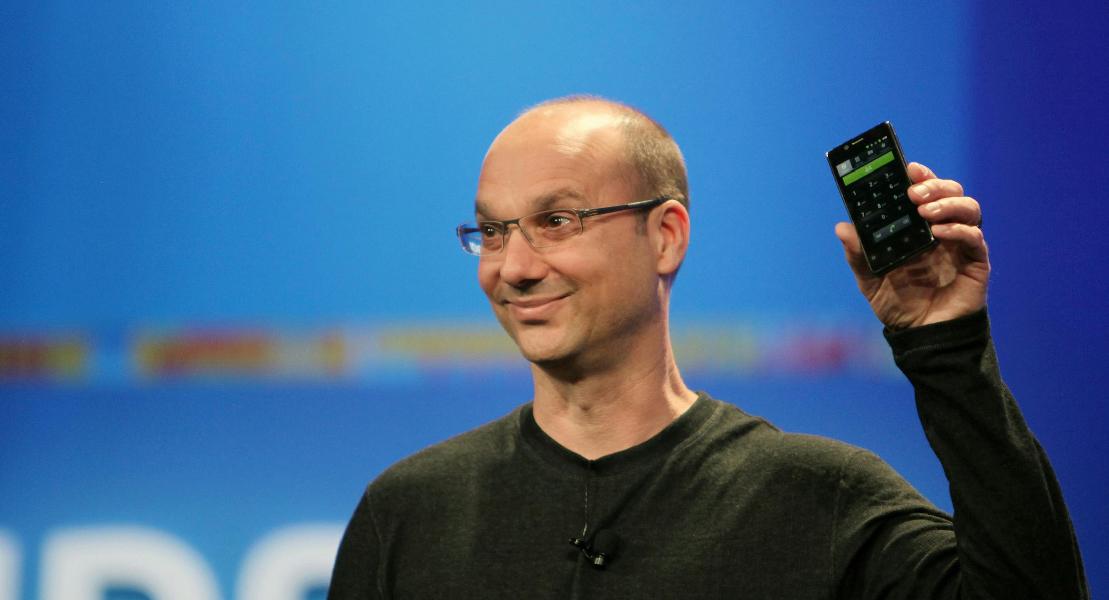
Deeply marked by the failure of closed ecosystems, this robotics lover applied the concepts of General Magic to free software accessible to everyone. He created Android, which has now become the most widely used mobile operating system on the entire planet following its acquisition by Google.
Pierre Omidyar, the Pioneer of Global Commerce

The modest technical support engineer, who coded on the corner of a desk during his breaks inside the General Magic offices, led his virtual auction platform to unimaginable heights. AuctionWeb, renamed eBay, currently generates over 10 billion dollars in annual revenue.
Megan Smith, from Technology to the Top of the State
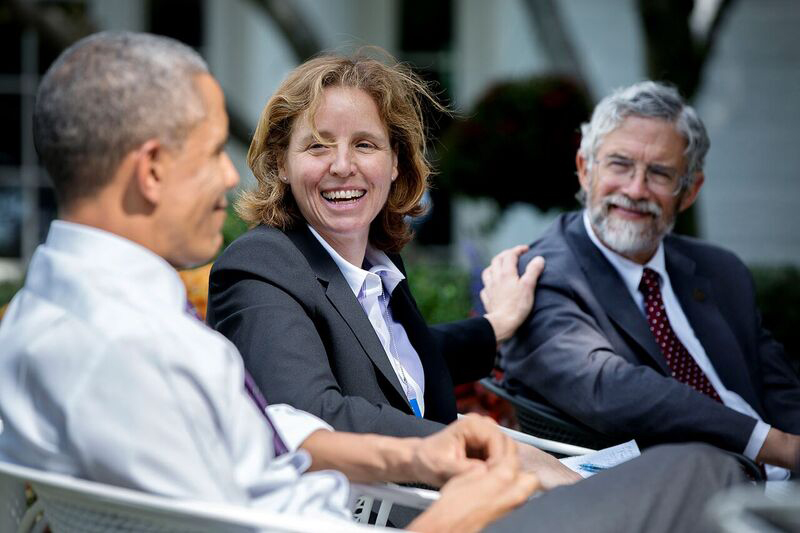
After serving as CEO of PlanetOut and then vice president at Google, her brilliant career led her straight to the White House. Appointed by Barack Obama, she became the very first female Chief Technology Officer (CTO) of the United States. She also co-founded the Malala Fund and shift7 to put innovation at the service of humanity.
Andy Hertzfeld, the Software Magician

Following the company's closure, this pillar of the original Mac co-founded Eazel, created the historic site Folklore.org, and published the cult book Revolution in the Valley. In 2005, he brought his talent to Google by co-creating the Circles for the Google+ social platform, before retiring in 2013.
Joanna Hoffman, from the Shadows to Commitment

A central figure of early marketing, known for being the only person capable of standing up to Steve Jobs' tantrums, she chose to step away from the corporate world to devote her expertise to non-profit activities, focusing on education and environmental preservation.
Kevin Lynch, the Master of the Web and Interfaces

His impact on the global network is immense. He created major web expression tools like Dreamweaver, before rising to the position of CTO at Adobe Inc. Currently Vice President of Technology at Apple, he leads the team responsible for the Apple Watch.
John Sculley, the Godfather Turned Rival

After propelling General Magic in its early days, the Apple boss launched the competing Newton before being ousted from Cupertino himself in 1993. Reinventing himself with massive success in venture capital, he co-founded Zeta Global, a company that has become a true tech powerhouse valued at several billion dollars. Looking back, he views his fallout with Steve Jobs with regret, while praising the accuracy of that pocket-sized vision that simply needed time to bloom.
🕹️ The great General Magic puzzle : Hardware and touch telephony went to Tony Fadell (iPod, iPhone). Open operating systems went to Andy Rubin (Android). Virtual retail space went to Pierre Omidyar (eBay). Web tools and connected objects went to Kevin Lynch (Dreamweaver, Apple Watch). Government technology went to Megan Smith (CTO of the United States).
2007 : The Circle is Complete
The final image of our journey takes us back to January 9, 2007, on the stage of the Moscone Center in San Francisco. Steve Jobs steps in front of a roaring crowd to introduce an object that will sweep the century : a widescreen iPod with touch controls, a revolutionary mobile phone, and a breakthrough Internet communications device. The iPhone.
The definition is word for word the one written by Marc Porat in his notebook back in 1989. The dreamed-of device, this famous Pocket Crystal, is finally born, at the exact moment when processor technology, battery density, and the maturity of the global Internet network finally allow it to be supported.
In the shadows of the auditorium or in front of their screens, the General Magic alumni watch the presentation with indescribable emotion. They built the secret gears of this machine. The prophecy is fulfilled.
General Magic ultimately stands as an incredible spiritual incubation laboratory. It was the refuge of a generation of builders who first had to fail together to learn how to transform the world separately. The tears of 1996 shaped the revolutions of the following decade. By trying to create the future, this team quite simply invented our present.
Epilogue : Going Further
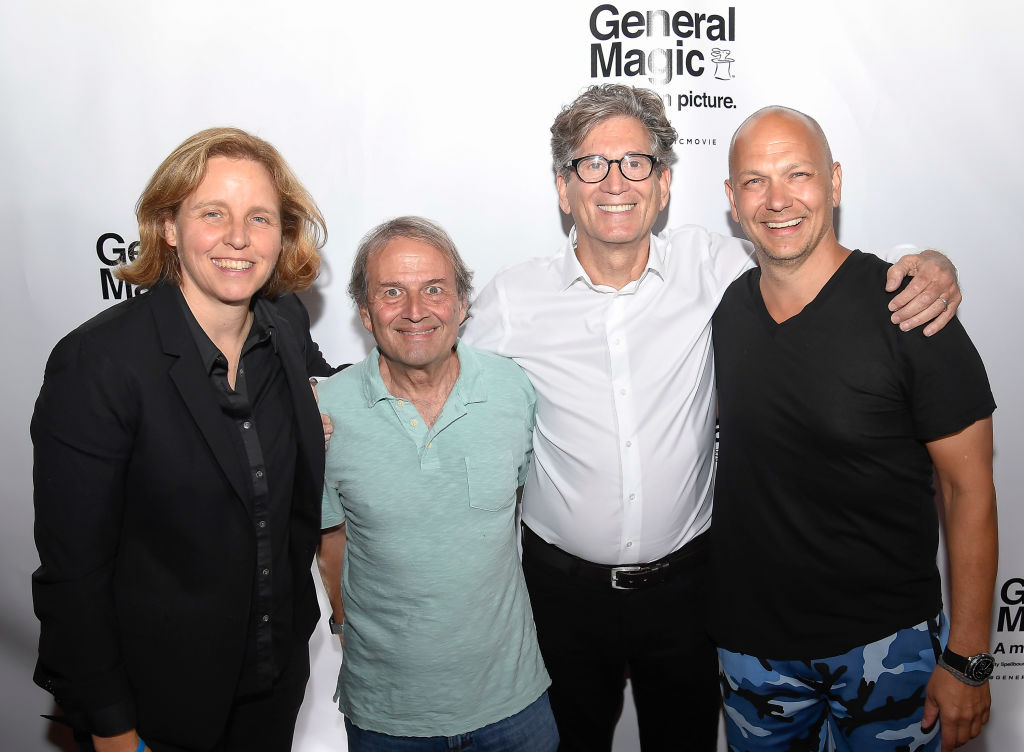
To conclude this grand and beautiful feature that I took immense pleasure in sharing with you, it is essential to look at the culmination of this human adventure. In 2018, the entire shattered team from Mountain View gathered for a moment suspended in time, to confront their memories and heal their wounds during the making of an exceptional film.
I highly encourage you to watch this historical documentary, available in its original version. This precious viewing will bring the most poignant elements, the faces marked by the years, and the raw truth to this unforgettable epic.
💡 The General Magic Documentary (2018)
The entire team reunited, raw testimonies, perfectly balanced emotion : a rare film about a story the world forgot.
Did this four-part series move you? Did you know about General Magic before reading it? And if you watched the documentary, let me know what you thought right down below in the comments.
If you joined this story along the way, the first part of the series is right here : the spark, Marc Porat's Red Book, and the gathering of the pioneers who would change the world.
Frequently Asked Questions About the General Magic Legacy
What happened to the founders of General Magic after it closed?
The General Magic alumni had some of the most remarkable career trajectories in tech history. Tony Fadell co-invented the iPod and iPhone at Apple. Andy Rubin created Android. Pierre Omidyar founded eBay. Megan Smith became the first female CTO of the United States. Everyone took a fragment of the initial project to bring it to fruition, separately.
What is the connection between General Magic and the iPhone?
The connection is direct. Tony Fadell, who co-invented the iPhone at Apple in 2007, started his career at General Magic. Furthermore, the description of the Pocket Crystal written by Marc Porat in 1989 is almost identical, word for word, to Steve Jobs' presentation of the iPhone. General Magic is the conceptual laboratory that made the iPhone possible.
Who created Android and what does it have to do with General Magic?
Android was created by Andy Rubin, a former General Magic engineer. Deeply impacted by the failure of closed systems like Telescript, he designed an open and universal mobile operating system, which was acquired by Google in 2005. Android is currently the most widely used system on the planet.
Where can I watch the General Magic documentary?
The General Magic (2018) documentary is available for free on YouTube. It gathers the testimonies of the main actors of the adventure, years after the company closed. It is one of the most moving hour and a half you will spend on modern technology history.
Why is General Magic so little known despite its historical importance?
Because General Magic failed commercially before the world was ready to understand what it had invented. Its successors, the iPhone, Android, and eBay, absorbed its legacy without citing the source. It is only in retrospect, particularly thanks to the 2018 documentary, that history began to be recognized for its true value.
💡 Join the community!
Want to keep talking about these stories that changed the world, tech, pop culture, or video games? Join us on the Little Big Campus Discord 👾